(1) Electric Adjustment
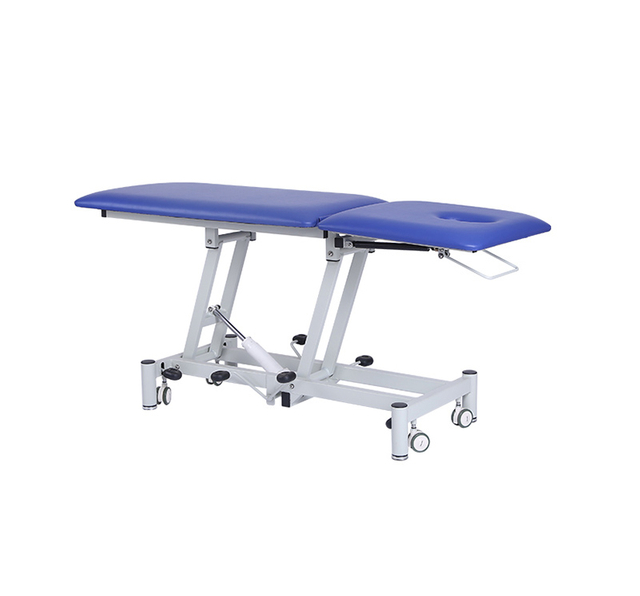
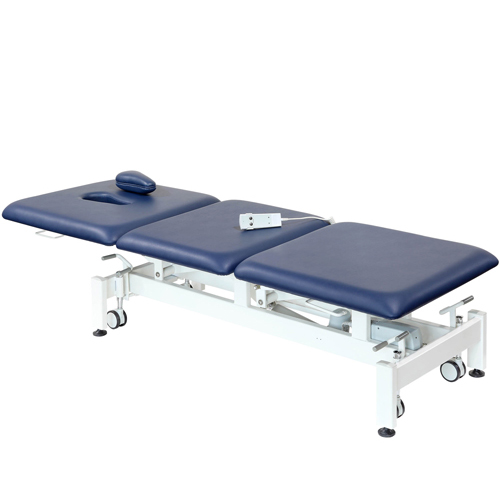
With its electric-powered height adjustment, this table allows for seamless and convenient positioning.
The height can be easily adjusted within a range of 18.8 to 33 inches using the quiet electric motor, ensuring optimal working conditions for medical professionals.
The backrest can be easily adjusted from -35° to 80° using the twin air gas pump technology, ensuring optimalpatient comfort during examinations and therapies.
The leg section can be adjusted by a gas pumper within a range of -45° to 45°, accommodating different treatment positions.
(2) Mobile Treatment table
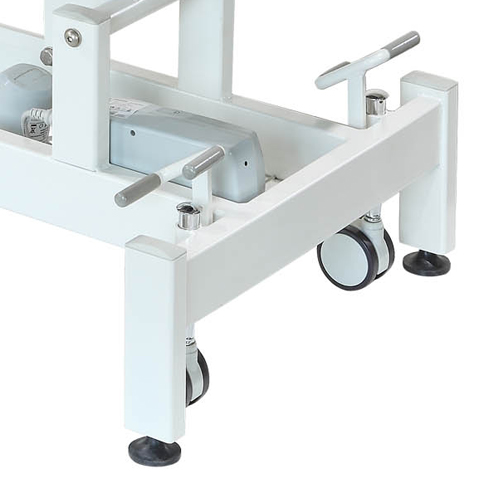
The High-Low table features retractable wheels for effortless mobility and easy relocation.
Once in place, the leveling feet ensure rock-solid stability, eliminating any unwanted movement.
Its sturdy construction and hard rubber feet guarantee stability on any surface.
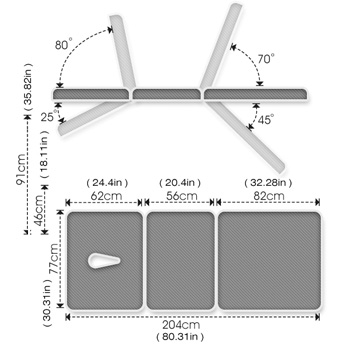
(3) Three Section Structure
Our Mobile Treatment Table for Sale provides versatility and adaptability for a wide range of medical procedures.
Each section can be independently adjusted to different angles, allowing healthcare professionals to create various seating and reclining positions to accommodate different treatment needs.
The adjustable backrest, seat, and leg sections enable precise positioning and enhance patient comfort during examinations, therapies, or massages.
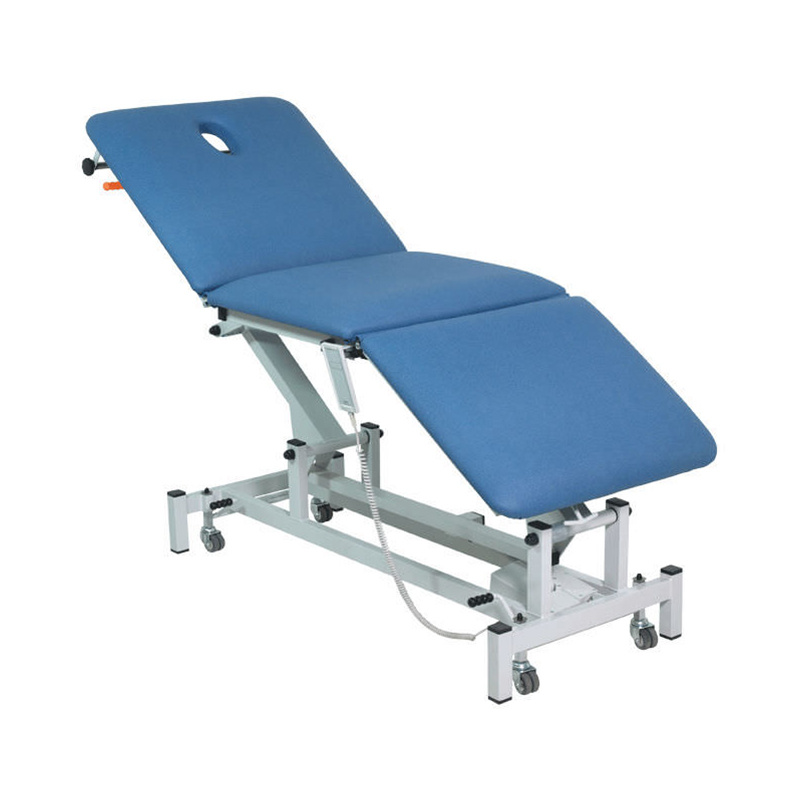
(4)Safety and Hygiene
The Hi-lo treatment table from Cuboc not only fucus on the comfort, also prioritizes safety and hygiene.
The upholstery is MRSA resistant, antibacterial, and fire retardant, ensuring a clean and protected treatment surface for patients.
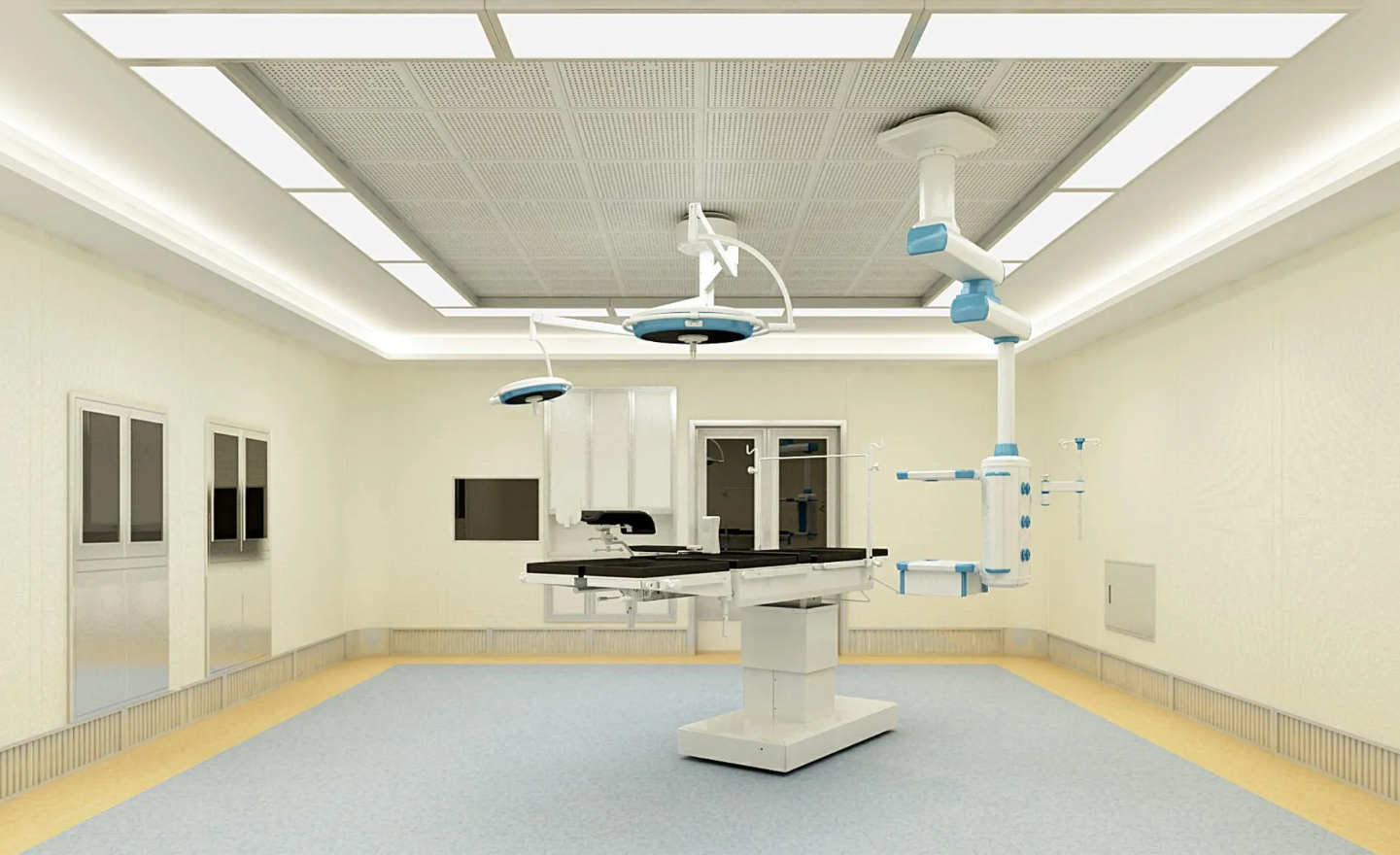
(5) Customization available
Cuboc offers OEM options, allowing the hospital to customize the Hi-lo Medical treatment table according to their specific requirements and preferences.