 |
loading


| Adjustable Range: | |
|---|---|
| Material: | |
| OEM: | |
| Availability: | |
| Quantity: | |
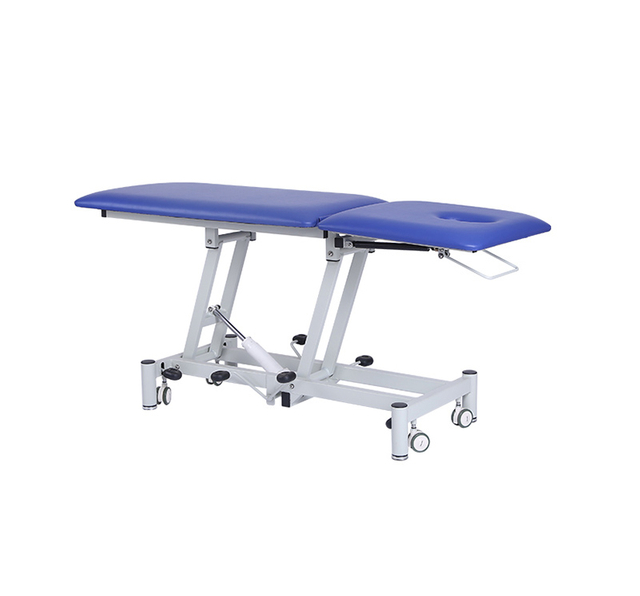
Unlike portable or mobile tables that can be moved or shifted, the stationary design means that once the table is positioned in place, it remains fixed and secure.
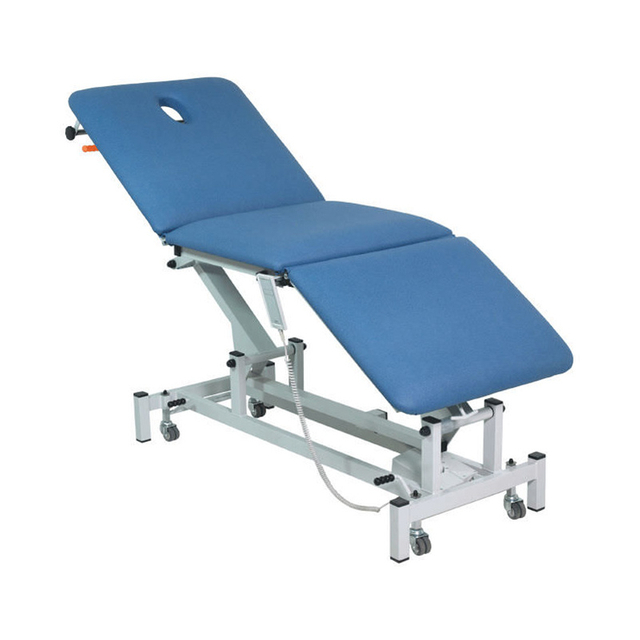
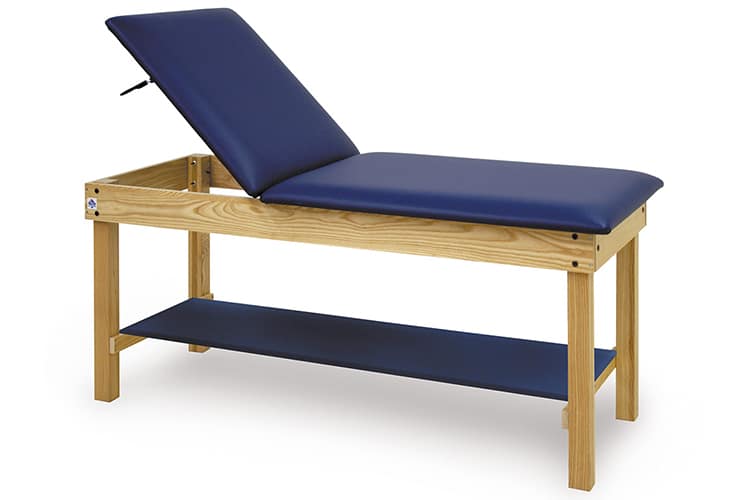
The table is equipped with a 30" long gas spring backrest that offers a tilt range of 0-75 degrees, providing optimal positioning and support for patients during treatments
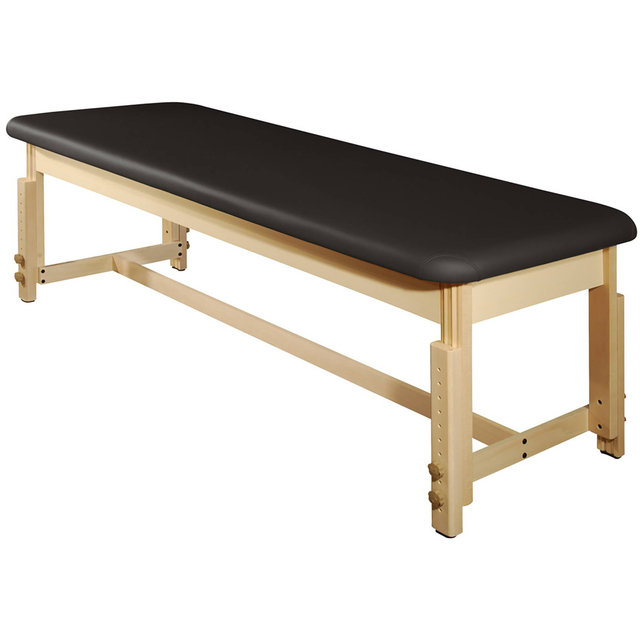
The Wooden Structure provides a stable and long-lasting surface for medical equipment like our Wooden Treatment Adjustable Table
Additionally, natural wood is eco-friendly and can be easily maintained, making it a practical and sustainable choice
The shelf underneath the top of our Treatment Table provides convenient storage space for essential supplies and equipment, keeping them easily accessible during treatments.
It helps to optimize workflow and maintain an organized treatment environment, ensuring efficiency and smooth operation.
Cuboc offers OEM options, allowing the hospital to customize the Wooden Medical treatment table according to their specific requirements and preferences.

What materials are best for healthcare waiting room furniture? Healthcare waiting room seating should be selected for cleanability, chemical compatibility, durability, comfort, accessibility, and maintenance. Molded polymer, healthcare-grade vinyl or polyurethane, and selected performance textiles c

What is ligature-resistant furniture? Ligature-resistant furniture is designed to reduce opportunities for cords, sheets, clothing, ropes, or similar materials to create a sustainable attachment point that could contribute to self-harm. It is one component of a broader behavioral health safety strat

How big should a dental operatory be, and what furniture does it need? FGI's 2022 dental-facility update removed the previous 80-square-foot minimum operatory floor area while retaining 2 feet 8 inches of clearance on all sides of the dental chair. Many general-dentistry practices plan around a 10 ×

What furniture is needed in an outpatient exam room? A typical outpatient exam room includes an exam table, clinician stool, patient or visitor seating, work surface or workstation, secure storage, handwashing access, medical-supply support, and appropriate lighting or technology supports. The final
What is behavioral health furniture? Behavioral health furniture is designed for psychiatric hospitals, behavioral health units, substance-use treatment facilities, crisis-stabilization centers, and other patient-care environments where safety risks may differ from those in general healthcare spaces

What is HIPAA-conscious reception design? HIPAA-conscious reception design uses reception layout, workstation orientation, visual screening, secure document storage, seating placement, and acoustic strategies to reduce the risk that patients or visitors can see or overhear protected health informati