
Views: 0 Author: Site Editor Publish Time: 2026-07-24 Origin: Site


Designing furniture for healthcare environments is fundamentally different from designing for hospitality or residential use. The users are more vulnerable, the operational demands are more intense, and the consequences of poor design choices extend far beyond aesthetics. A chair that looks appropriate in a showroom can become a fall hazard in a memory care unit. A nightstand that meets residential standards may fail infection control protocols in a hospital room.

As the global population aged 65 and older grows by approximately 60 million people each year, healthcare facilities are expanding and renovating at unprecedented rates. Facility managers and design teams face mounting pressure to select furniture that balances resident dignity, clinical functionality, and operational durability — often with limited budgets and tightening regulatory requirements.
These five design principles provide a framework for evaluating healthcare furniture that serves aging residents effectively while meeting the practical demands of daily facility operations.
Falls are the leading cause of injury-related hospitalization among older adults, and furniture plays a direct role in many incidents. Chairs that are too low make standing difficult. Bedsides without adequate clearance create tripping hazards. seating without armrests leaves residents without support when transitioning between sitting and standing.
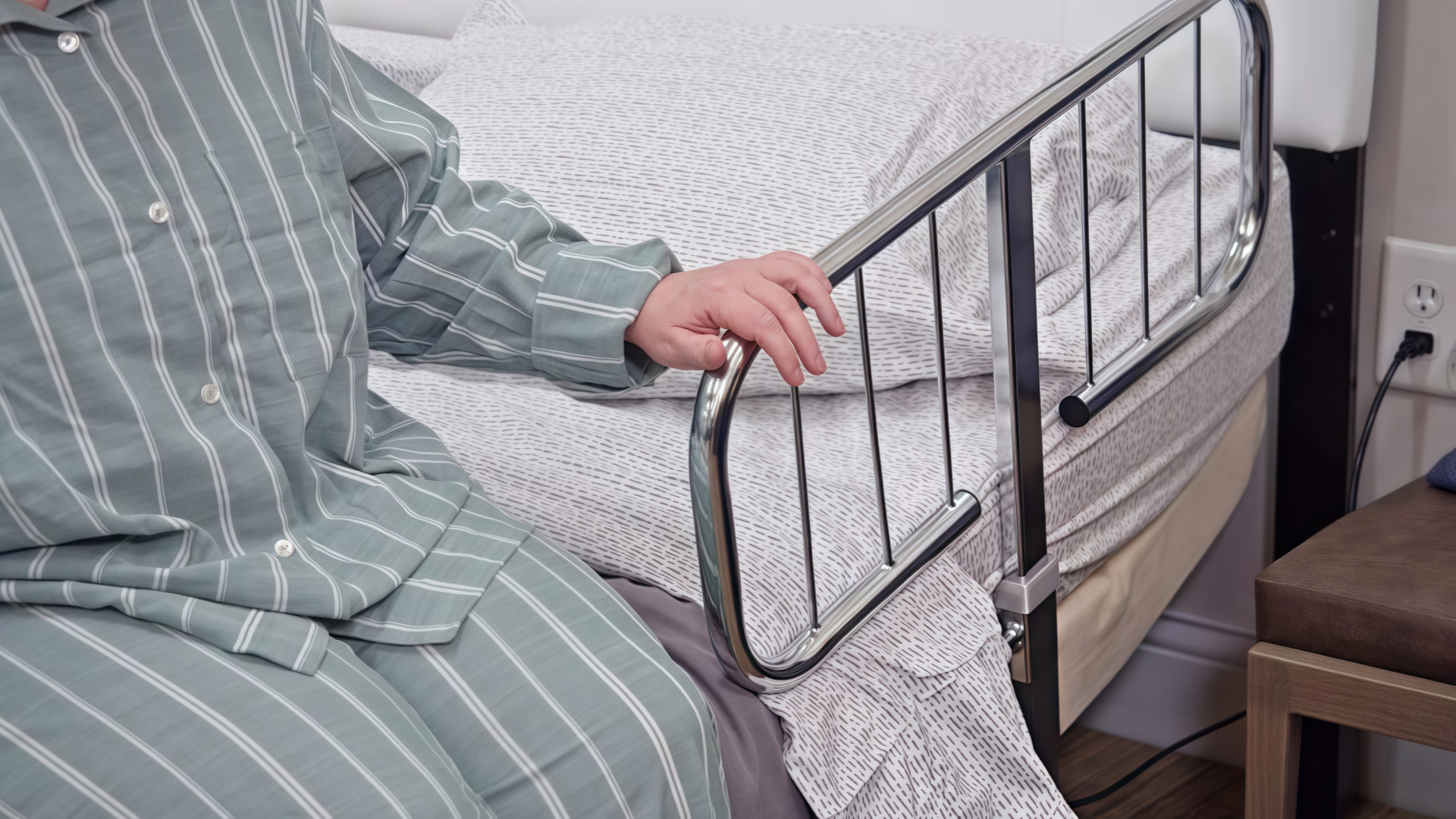
Effective elderly care furniture design addresses fall prevention at every contact point. Seat heights should range from 18 to 20 inches — high enough to reduce the effort required to stand, but not so high that residents' feet dangle. Armrests should be solid, extend slightly beyond the seat front, and support a firm grip. Chair bases need sufficient width to prevent tipping when residents lean to one side.
Fall Risk Factor | Design Solution | Measurement Standard |
Low seat height | Raised seat (18-20") | ADA compliant height range |
No transfer support | Extended armrests with grip contour | Armrest extends 2" past seat front |
Instability when leaning | Wide base footprint | Base width ≥ 80% of seat width |
Slippery seating surface | Textured, breathable upholstery | Coefficient of friction ≥ 0.5 |
Sharp edges on contact points | Rounded corners on all surfaces | Minimum 0.5" radius on corners |
Beyond individual furniture pieces, consider the spatial relationship between items. The distance from bed to chair, chair to bathroom, and bed to nightstand all affect transfer safety. Furniture placement should create clear, unobstructed paths that accommodate mobility aids without creating tight turns or dead ends.
Healthcare-associated infections affect approximately 1 in 31 hospital patients on any given day. Furniture surfaces are a recognized transmission vector, and material selection directly impacts a facility's ability to maintain hygienic environments. The challenge is selecting materials that withstand rigorous cleaning protocols without degrading prematurely.
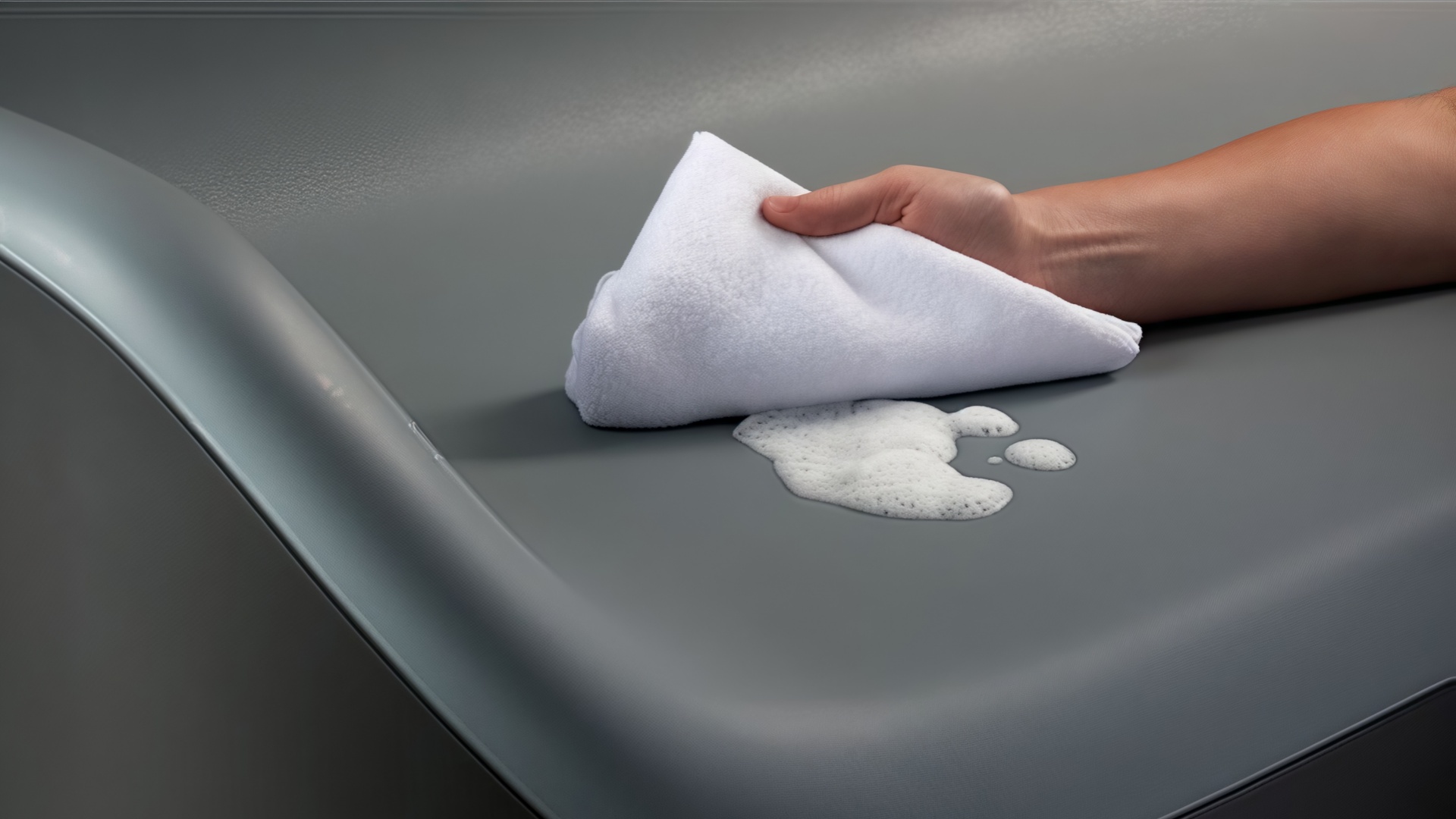
Hospital room furniture must endure daily wipedowns with quaternary ammonium compounds, hydrogen peroxide solutions, and occasionally bleach-based disinfectants. Standard residential upholstery fails within months under this regimen — seams split, surface coatings wear through, and porous substrates absorb contaminants. Healthcare-grade materials are engineered specifically for this environment.
The most effective approach is a layered material strategy. Non-porous surfaces (solid surface, high-pressure laminate with sealed edges) for high-contact areas like overbed tables and bedrails. antimicrobial-treated upholstery on seating, with seam-sealed construction that prevents fluid infiltration. And powder-coated metal frames that resist corrosion from cleaning chemicals while providing structural durability.
Pressure injuries (formerly called pressure ulcers or bedsores) affect an estimated 2.5 million people annually in the United States alone, and treatment costs exceed $11 billion per year. While mattresses and positioning devices receive the most attention in pressure injury prevention protocols, seating furniture plays an equally important role.
Residents who spend extended periods in lounge chairs, wheelchairs, or recliners are at significant risk if the seating surface does not distribute pressure effectively. Standard foam cushions concentrate pressure on bony prominences — the sacrum, ischial tuberosities, and heels — leading to tissue breakdown over time.
Seating Type | Pressure Distribution | Recommended Use | Maintenance Need |
Standard foam cushion | Poor — concentrates pressure | Short-duration seating only (< 2 hrs) | Replace every 12-18 months |
High-density memory foam | Good — distributes weight | General lounge and dining areas | Replace every 24-36 months |
Alternating pressure cushion | Excellent — active redistribution | High-risk residents, extended seating | Annual pump and cell inspection |
Gel-infused foam hybrid | Very good — adaptive support | Recliners and resident room chairs | Replace every 24-30 months |
The right seating selection depends on resident acuity levels and typical duration of use. Memory care residents who sit for extended periods in common areas need higher-grade pressure management than short-stay patients who are ambulatory and mobile. Match the furniture specification to the clinical profile of the unit.
For residents with dementia or cognitive impairment, furniture serves as an environmental cue that helps them navigate and function within their space. Contrast, color, and form all contribute to cognitive accessibility — or undermine it when poorly executed.
A white chair against a white wall is invisible to someone with diminished contrast perception. A dark nightstand next to a dark floor creates a tripping hazard that the resident literally cannot see. Effective assisted living furniture design uses intentional color contrast to define edges, distinguish furniture from surroundings, and guide residents through spaces.
Aim for a minimum 30-point Light Reflectance Value (LRV) difference between furniture and adjacent surfaces. This means if your wall has an LRV of 80, furniture should have an LRV of 50 or below. Use color strategically — warm tones for dining areas to stimulate appetite, cool tones for bedroom areas to promote calm, and high contrast at seating edges to help residents identify where to sit.
Beyond color, simplify furniture forms. Residents with cognitive impairment often struggle with complex mechanisms — drawers with hidden pulls, chairs with multiple adjustment levers, or tables with confusing extension mechanisms. Every piece of furniture in a memory care environment should be intuitive enough that a resident can use it without instruction.

Healthcare furniture endures abuse that would destroy residential pieces within weeks. It is dragged across floors during room turnovers, splashed with bodily fluids, bumped by wheelchairs and gurneys, and subjected to cleaning chemicals multiple times daily. Designing for durability is not just about saving money on replacements — it is about ensuring that furniture continues to perform its safety function throughout its service life.
Frame construction is the foundation of durability. Medical furniture manufacturers serving healthcare environments should use mortise-and-tenon or dowel joinery reinforced with adhesives for wood frames, and welded (not bolted) joints for metal frames. Avoid furniture with mechanical fasteners at stress points — these loosen over time and create wobbling that poses fall risks.
Durability Factor | Healthcare Standard | Residential Standard | Impact on Lifespan |
Frame joinery | Mortise-tenon / welded | Cam-lock / bolted | 3x longer structural life |
Upholstery abrasion resistance | ≥ 100,000 Martindale cycles | 15,000-25,000 cycles | 2.5x fabric longevity |
Finish chemical resistance | 1,000+ cleaning cycles | Not tested | Prevents coating failure |
Caster weight rating | ≥ 75 kg per caster | 30-40 kg per caster | Prevents collapse under load |
Edge banding | Full-wrap PVC (2mm+) | Partial or adhesive | Prevents moisture ingress |
Maintenance planning should be part of the furniture specification process. Ask manufacturers about replacement parts availability — can you order a single replacement caster, armrest cap, or seat cushion without replacing the entire unit? Furniture designed with modular components costs slightly more upfront but dramatically reduces lifetime ownership costs.
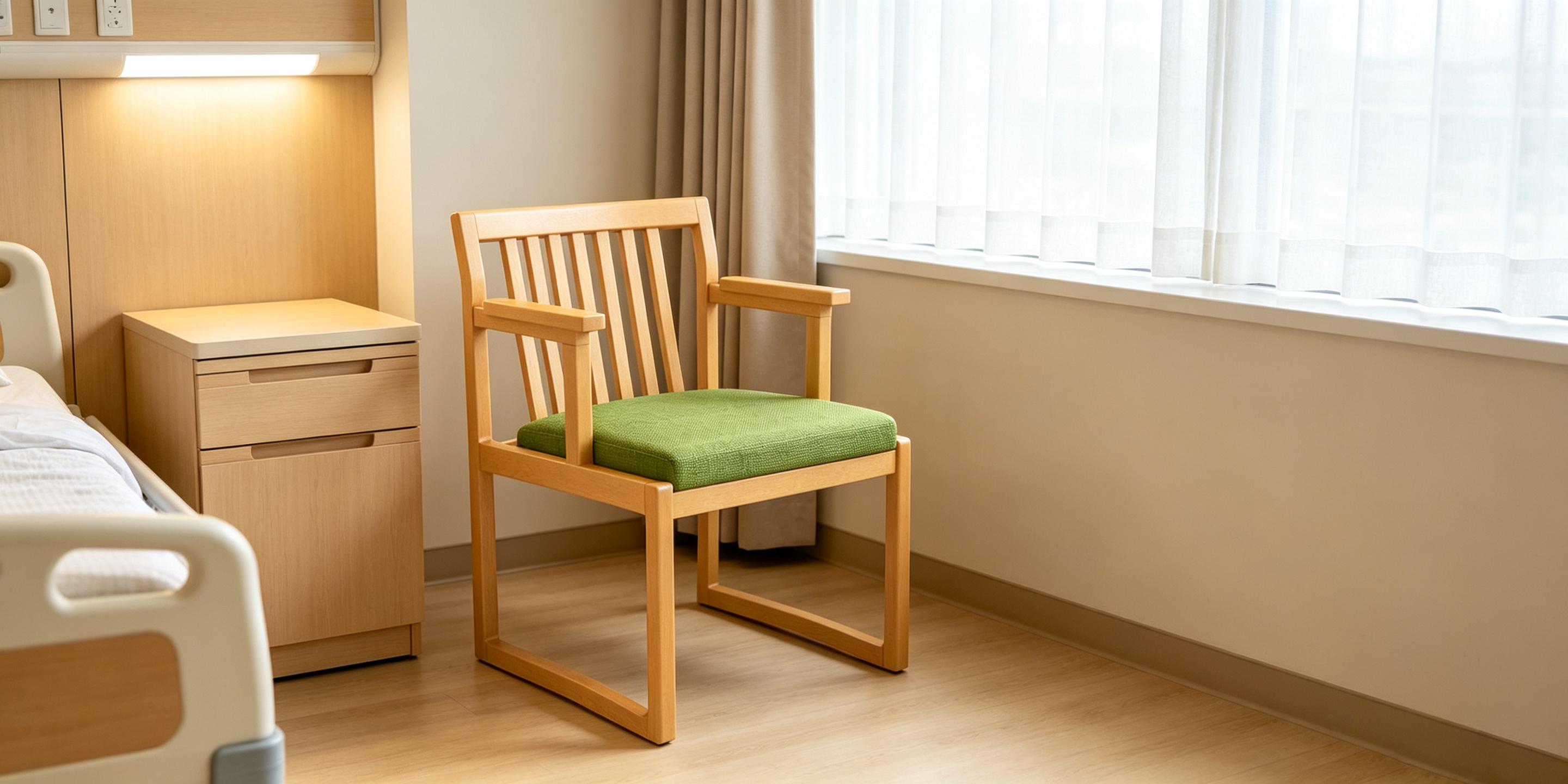
Healthcare furniture must meet specific clinical requirements including infection control compatibility, pressure injury prevention, fall risk mitigation, and chemical resistance for repeated disinfection. It also requires higher durability standards — typically 2-3 times the lifespan of standard commercial furniture under similar usage conditions.
Properly specified healthcare furniture should last 7-10 years in moderate-use areas and 5-7 years in high-use areas like patient rooms and common dining spaces. However, upholstery and cushioning may need replacement at 2-4 year intervals depending on usage intensity and cleaning frequency.
Look for healthcare-grade vinyl or polyurethane fabrics with antimicrobial treatment, sealed seams, and a minimum 100,000 Martindale cycle abrasion rating. These materials withstand repeated cleaning with hospital-grade disinfectants while providing fluid resistance and comfort for extended sitting periods.
Yes. Memory care furniture should feature high contrast (30+ LRV difference from surroundings), simplified operation mechanisms, rounded edges without sharp corners, and stable bases that resist tipping. Avoid furniture with reflective surfaces or busy patterns that can cause confusion or agitation in residents with dementia.
The key is selecting materials that perform both functions simultaneously. Modern healthcare upholstery combines antimicrobial properties with breathable, moisture-permeable construction that prevents the heat buildup associated with older vinyl products. Layer your approach — non-porous surfaces for high-contact areas, softer antimicrobial-treated fabrics for extended seating.
Hongye Furniture Group manufactures healthcare and senior living furniture designed to meet clinical standards while preserving resident dignity. Our products serve hospitals, assisted living facilities, and memory care units across 40+ countries. Contact us to discuss your facility's furniture requirements.


