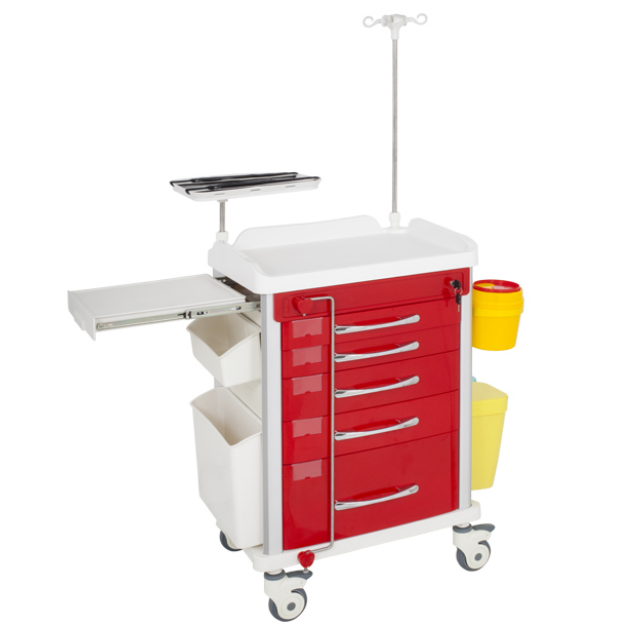
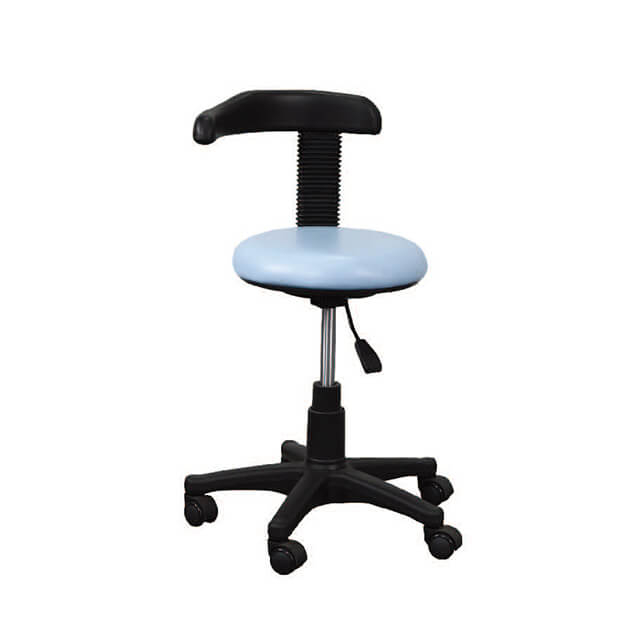
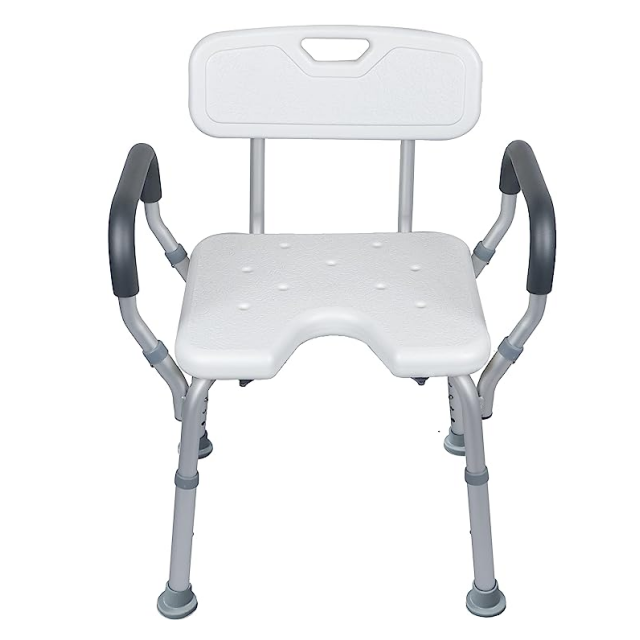
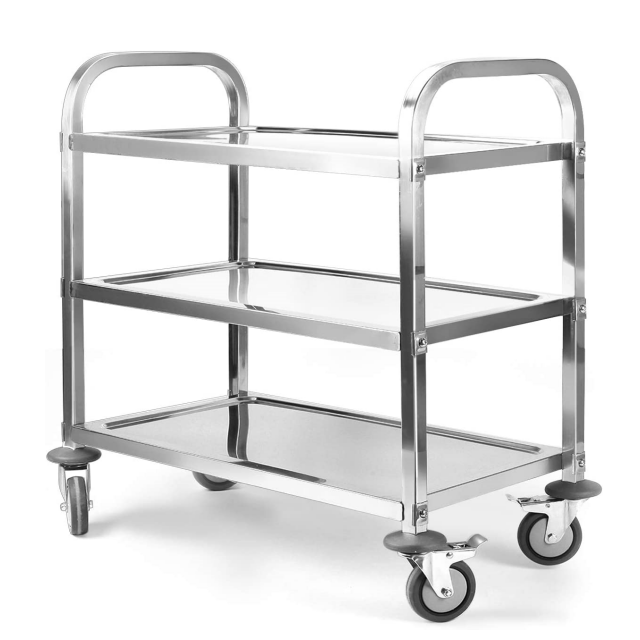
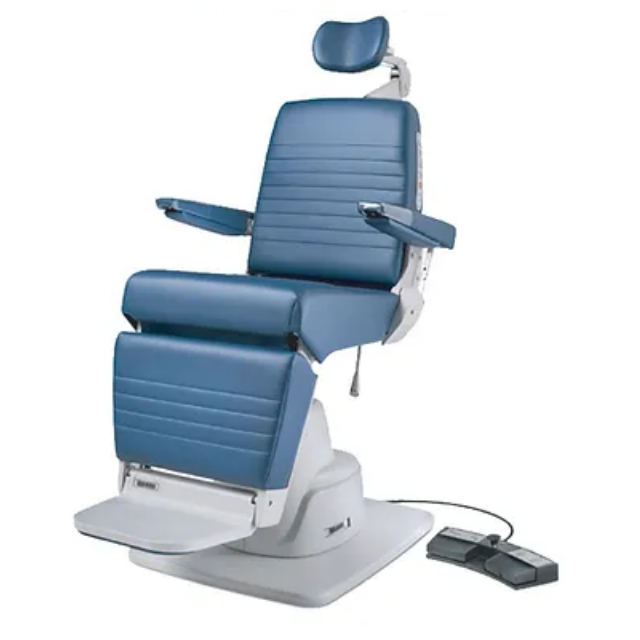
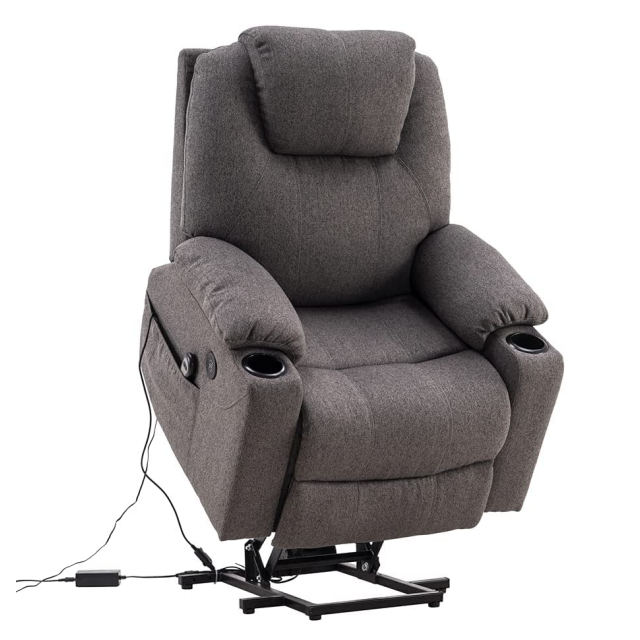
Designing furniture for healthcare environments is fundamentally different from designing for hospitality or residential use. The users are more vulnerable, the operational demands are more intense, and the consequences of poor design choices extend far beyond aesthetics. A chair that looks appropri
A patient's experience of anxiety begins before anyone takes their vitals; the furniture in a hospital room—chairs, side tables, visitor seating—sets an emotional baseline that shapes everything that follows. Evidence from healthcare design research shows that early anxiety scores measured within mi
The 2026 FIFA World Cup will host 48 matches across 16 stadiums in the United States, Mexico, and Canada, with cumulative attendance projected at around 5.4 million spectators. Behind every match, each stadium must operate a fully equipped medical infrastructure capable of handling everything from m

Strange medical furniture innovations follow a completely different rulebook than any other furniture category. A chair in a hospital is not just a place to sit—it might need to resist bacteria colonization, support 200–500 kg patients, prevent self‑harm, or integrate with dialysis machines and ceil
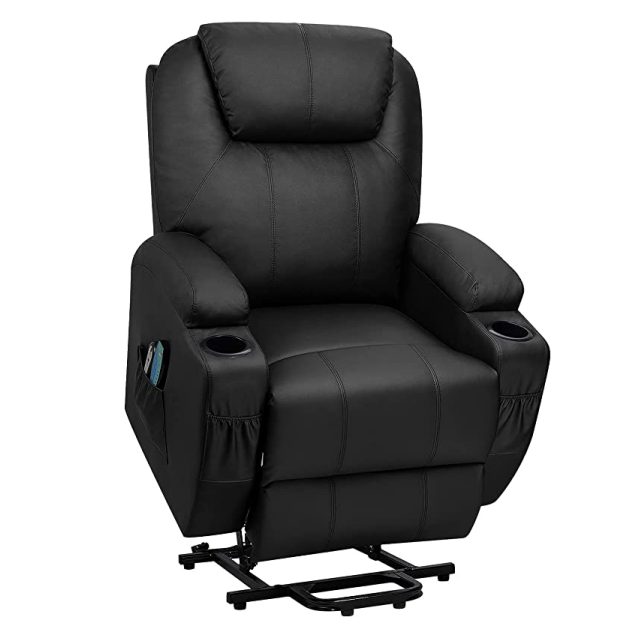
Rehabilitation center furniture design requires a fundamentally different approach than general medical office or acute care hospital furniture. Rehabilitation center furniture must serve patients across the full mobility continuum—from bed rest and maximum‑assistance transfers to independent commun
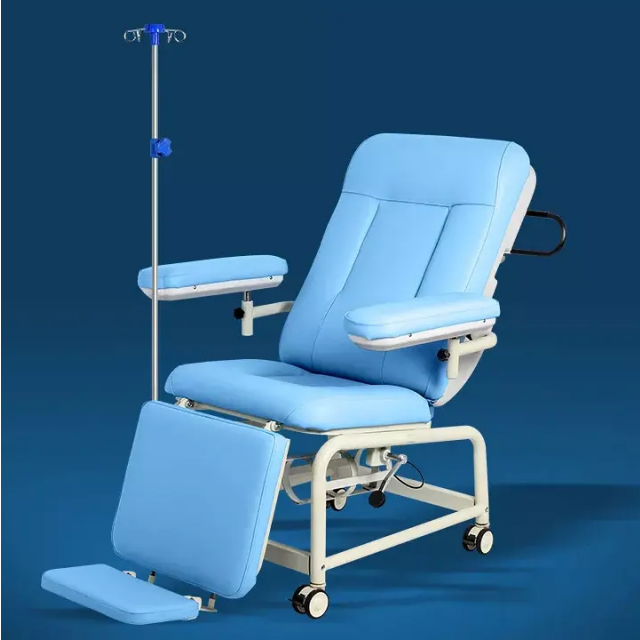
Dialysis center furniture design presents unique challenges that standard healthcare furniture cannot fully address. Patients typically spend three to five hours per session, three times per week, so dialysis center specialized seating and treatment room layout directly affect treatment compliance,