Enough Space for Storage
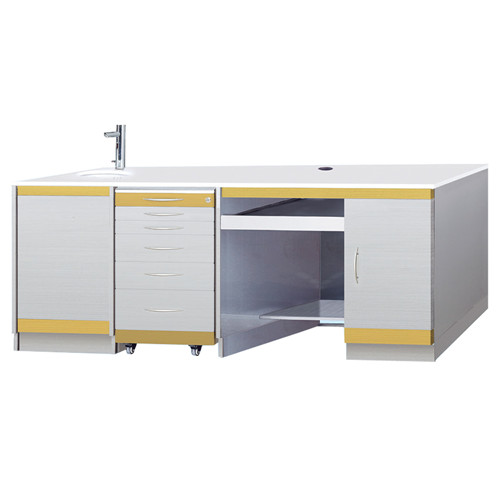
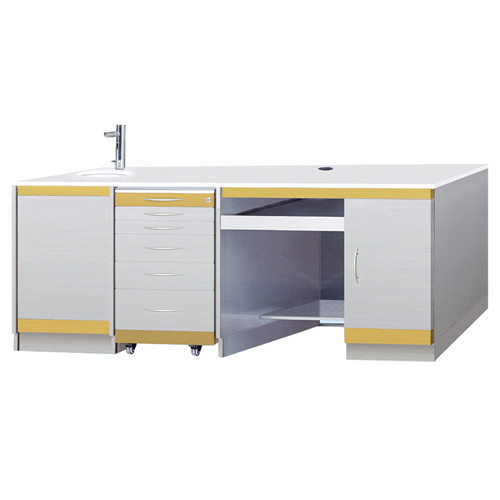
Medical Cabinet with sink for doctor's exam office provides essential counter space and storage for instruments and supplies
It includes countertops where exam tools and equipment can be conveniently placed during procedures.
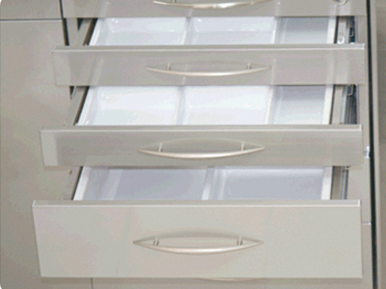
Additionally, the cabinetry features storage drawers and cabinets that allow for efficient organization and easy access to essential dental instruments and supplies.
Concealing cables and accessories
Medical offices often require computer systems for patient records and digital imaging.
Medical office casework with sinks specifically designed to house computers, monitors, and other electronic devices while effectively concealing cables and accessories.
This helps maintain a clean and clutter-free workspace, reducing the risk of tripping hazards and promoting a professional environment.
Moveable cabinet unit provides flexibility
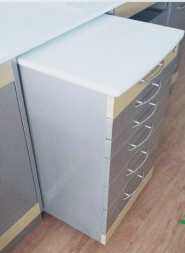
Cabinet units of the whole casework are designed to be moveable, offering flexibility in the dental office layout.
These cabinets are equipped with wheels or casters, allowing easy relocation as needed.
This feature is particularly beneficial in situations where the clinic's needs change, or when reconfiguring the workspace is required to accommodate different procedures or equipment.
Waste Collection
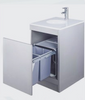
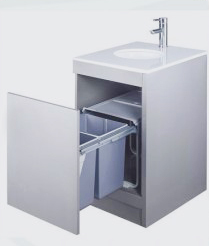
The trash can under the Sink can searve as an efficient waste collection system
which ensures proper disposal and management of waste materials generated during exmination.
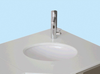
Sink on the casework
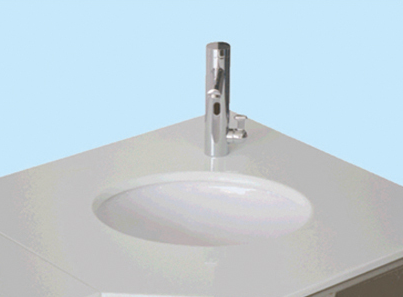
The sink incorporated into the casework provides several advantages, including improved sanitation and cleanliness, convenient access to water for procedures, and enhanced workflow organization.