 |
loading


| Materal: | |
|---|---|
| Size: | |
| Load Capacity: | |
| Thickness: | |
| Availability: | |
| Quantity: | |
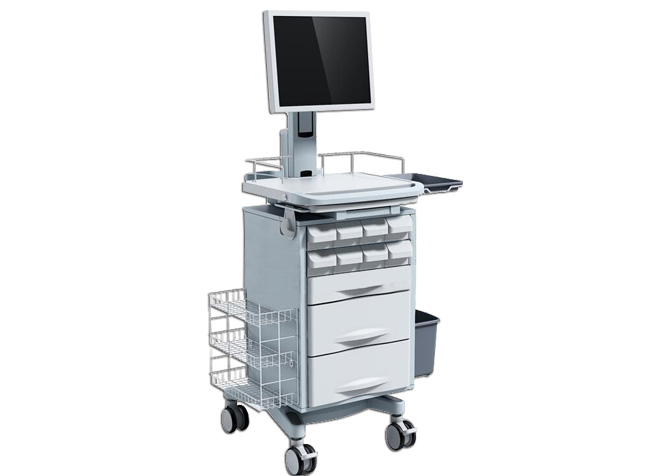
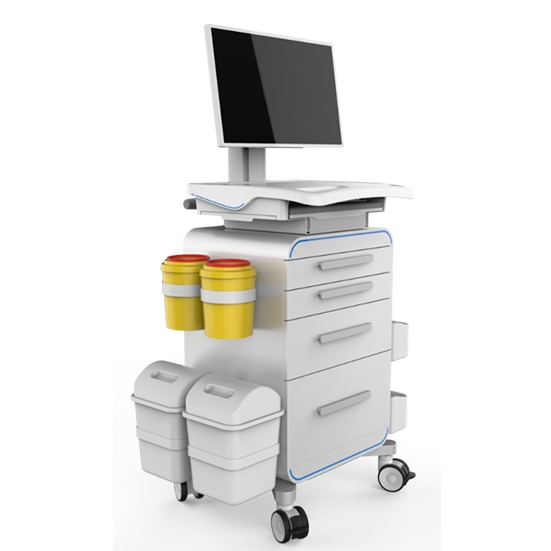
The Hospital Mobile computer cart features an all-in-one design, where the computer host is integrated into the workstation itself.
This design ensures a clean and organized work surface, without any visible cables or wires.
The built-in battery adds to the aesthetic appeal and functionality of the workstation.
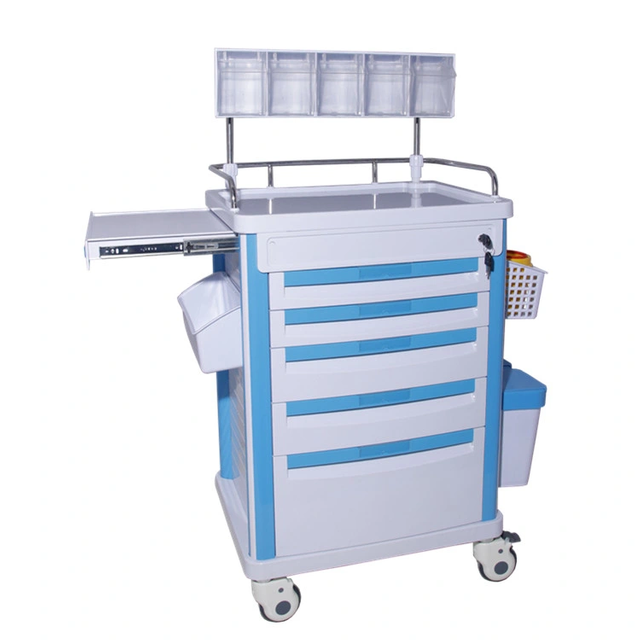
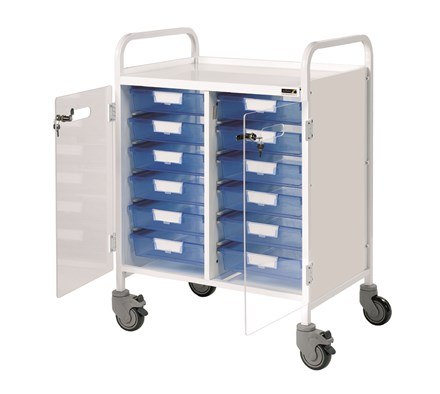
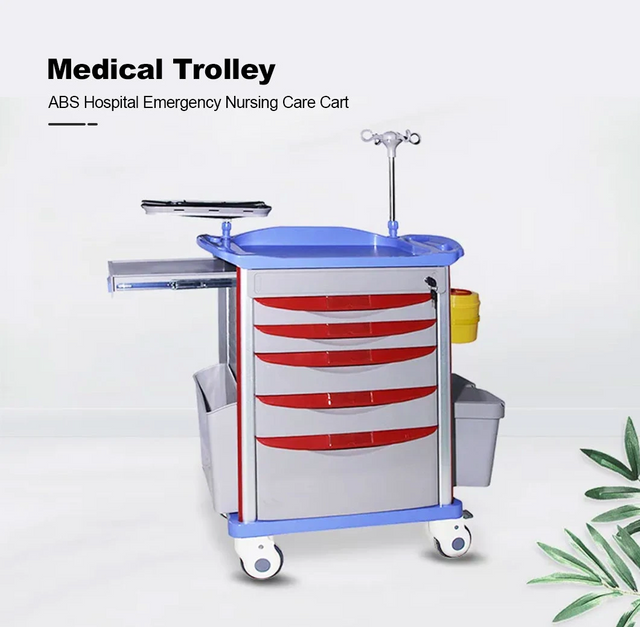
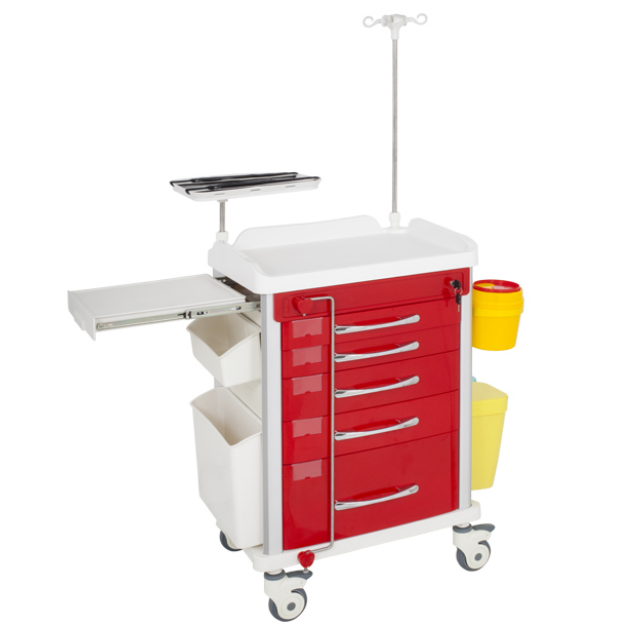
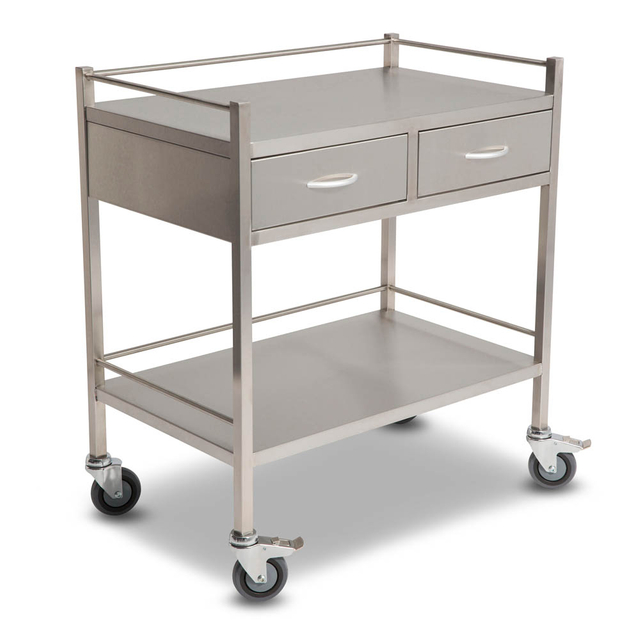
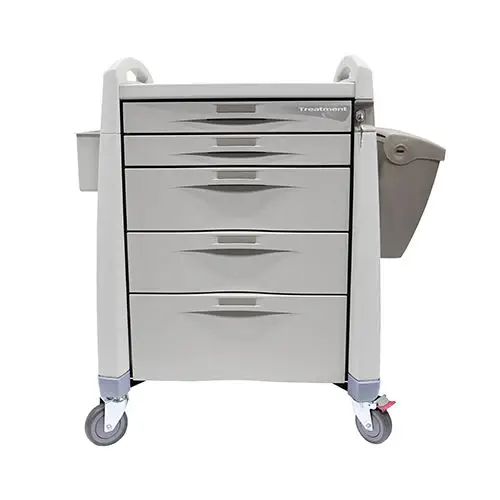
The Medical Cart is equipped with multiple drawers that provide convenient storage for various medical supplies and accessories.
The drawers are designed to accommodate different items, ensuring easy organization and quick access.
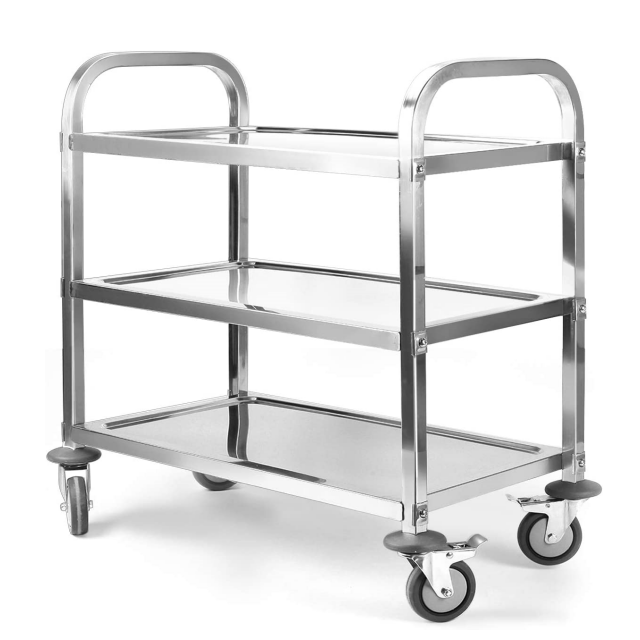
The workstation is built with high-quality wheels that enable effortless mobility and flexibility.
With their reliable locking mechanism, the wheels provide stability and secure positioning when the workstation needs to remain stationary, ensuring safety and preventing unwanted movement.
The tabletop of the rolling medication cart provides ample space for various tasks.
Its dimensions are 46x48cm with a thickness of 2cm. What makes it unique is its expandable feature.
The keyboard tray is cleverly embedded within one of the drawers, creating a seamless and integrated design.
When not in use, the keyboard and mouse can be conveniently hidden inside the tray, maintaining a clutter-free appearance. This setup allows for easy access to the keyboard and mouse whenever needed.
The bottom of the tabletop is made of ABS material, which is a durable and lightweight plastic.
The ABS material ensures stability and strength, providing a reliable surface for work and equipment placement
The workstation is designed to be customizable according to the user's needs.
Additional cabinets and smart medicine boxes can be added to the cart, offering enhanced storage options.
The separation between the tabletop and cabinets allows for flexibility and adaptability.
The tabletop features an integrated handle made of seamless cast aluminum.
This design eliminates any joints or connections, ensuring durability and a sleek appearance.
The handle is directly connected to both ends of the tabletop, forming a closed loop.
This ergonomic handle allows for easy maneuverability and transport of the workstation.
The workstation includes a fixed bracket for the monitor.
This bracket allows for independent vertical adjustment of the monitor height by ≥15cm
It supports both landscape and portrait orientations, providing versatility for different work tasks and preferences.
The workstation incorporates a lifting mechanism for easy height adjustment.
The base of the workstation is connected to an internal column that remains stationary, while the external column is connected to the tabletop.
This setup enables smooth and seamless up and down lifting of the workstation, allowing users to find their preferred ergonomic position

What materials are best for healthcare waiting room furniture? Healthcare waiting room seating should be selected for cleanability, chemical compatibility, durability, comfort, accessibility, and maintenance. Molded polymer, healthcare-grade vinyl or polyurethane, and selected performance textiles c

What is ligature-resistant furniture? Ligature-resistant furniture is designed to reduce opportunities for cords, sheets, clothing, ropes, or similar materials to create a sustainable attachment point that could contribute to self-harm. It is one component of a broader behavioral health safety strat

How big should a dental operatory be, and what furniture does it need? FGI's 2022 dental-facility update removed the previous 80-square-foot minimum operatory floor area while retaining 2 feet 8 inches of clearance on all sides of the dental chair. Many general-dentistry practices plan around a 10 ×

What furniture is needed in an outpatient exam room? A typical outpatient exam room includes an exam table, clinician stool, patient or visitor seating, work surface or workstation, secure storage, handwashing access, medical-supply support, and appropriate lighting or technology supports. The final
What is behavioral health furniture? Behavioral health furniture is designed for psychiatric hospitals, behavioral health units, substance-use treatment facilities, crisis-stabilization centers, and other patient-care environments where safety risks may differ from those in general healthcare spaces

What is HIPAA-conscious reception design? HIPAA-conscious reception design uses reception layout, workstation orientation, visual screening, secure document storage, seating placement, and acoustic strategies to reduce the risk that patients or visitors can see or overhear protected health informati