|


loading


| Materal: | |
|---|---|
| Size: | |
| Availability: | |
| Quantity: | |
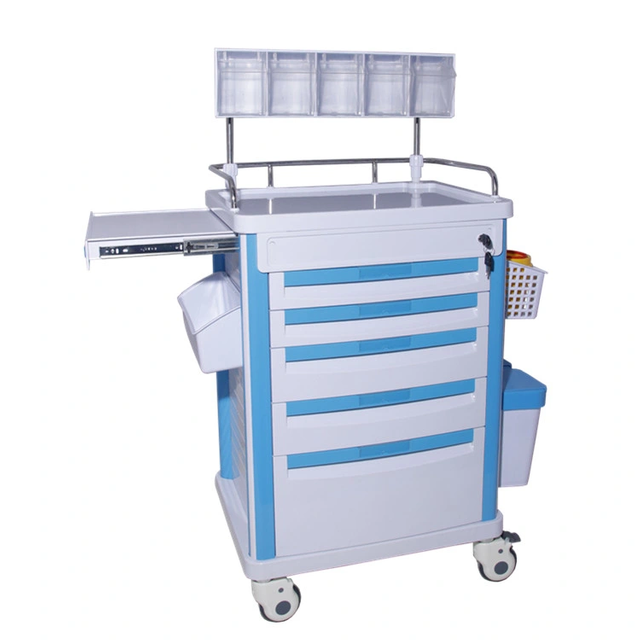
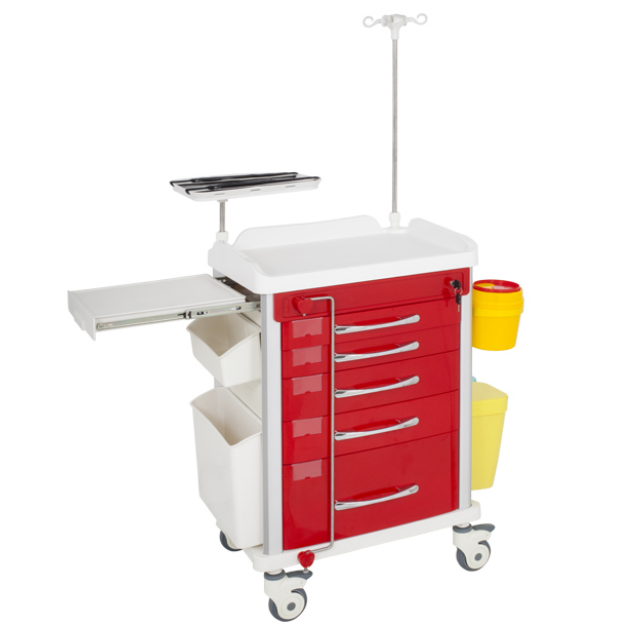
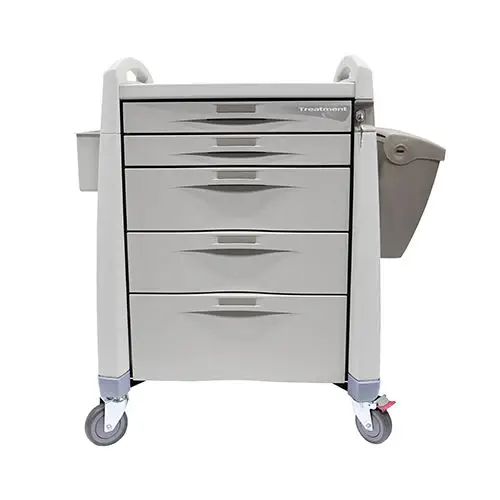
Our Hospital Emergency Crash Carts are designed to meet the specific demands of medical treatment.
The use of high-quality ABS material ensures a safe and reliable storage solution for medicines and equipment, catering to the needs of healthcare professionals in emergency situations
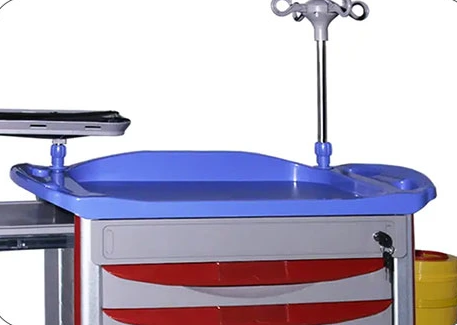
Our Medical Treatment Cart is equipped with hidden auxiliary workbench, providing additional workspace for healthcare professionals to perform necessary procedures and treatments.
The cart also features a defibrillation board, ensuring quick access to life-saving equipment during emergencies.
With an active power cord, the cart allows for seamless connectivity to power sources, enabling the use of electronic medical devices and ensuring uninterrupted workflow.
The inclusion of universal mute wheels with anti-skid and wear-resistant features allows for seamless and quiet movement, enabling healthcare providers to swiftly navigate through medical facilities while maintaining a peaceful and focused treatment environment.
To optimize storage space, our crash carts are designed to provide increased capacity.
The layout of drawers and shelves is carefully planned to maximize the available space, allowing for efficient organization and storage of medical supplies and equipment.
With the increased capacity, healthcare professionals can easily access the necessary items during critical situations.
Our crash carts are equipped with a telescopic infusion stand, which provides a convenient solution for administering intravenous fluids or medications during treatment.
The telescopic design allows for adjustable height, accommodating different patient needs and ensuring comfortable and efficient delivery of care.
The body of the crash carts features a central locking drawer system, enhancing the security of stored goods.
With the central locking mechanism, all the drawers can be securely locked with a single action, preventing unauthorized access and ensuring the safety and integrity of the stored medical supplies and equipment.
This central locking system provides added peace of mind and helps maintain a controlled and organized storage environment within the crash carts.

What materials are best for healthcare waiting room furniture? Healthcare waiting room seating should be selected for cleanability, chemical compatibility, durability, comfort, accessibility, and maintenance. Molded polymer, healthcare-grade vinyl or polyurethane, and selected performance textiles c

What is ligature-resistant furniture? Ligature-resistant furniture is designed to reduce opportunities for cords, sheets, clothing, ropes, or similar materials to create a sustainable attachment point that could contribute to self-harm. It is one component of a broader behavioral health safety strat

How big should a dental operatory be, and what furniture does it need? FGI's 2022 dental-facility update removed the previous 80-square-foot minimum operatory floor area while retaining 2 feet 8 inches of clearance on all sides of the dental chair. Many general-dentistry practices plan around a 10 ×

What furniture is needed in an outpatient exam room? A typical outpatient exam room includes an exam table, clinician stool, patient or visitor seating, work surface or workstation, secure storage, handwashing access, medical-supply support, and appropriate lighting or technology supports. The final
What is behavioral health furniture? Behavioral health furniture is designed for psychiatric hospitals, behavioral health units, substance-use treatment facilities, crisis-stabilization centers, and other patient-care environments where safety risks may differ from those in general healthcare spaces

What is HIPAA-conscious reception design? HIPAA-conscious reception design uses reception layout, workstation orientation, visual screening, secure document storage, seating placement, and acoustic strategies to reduce the risk that patients or visitors can see or overhear protected health informati