 |
loading


| Materal: | |
|---|---|
| Size: | |
| Availability: | |
| Quantity: | |
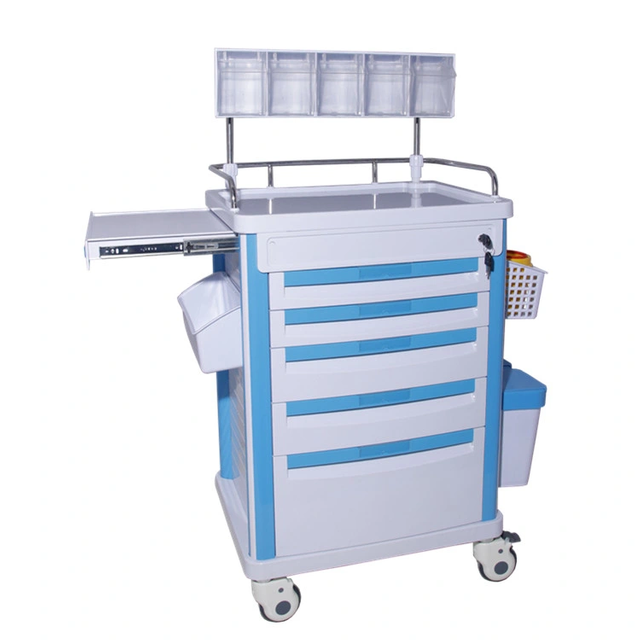
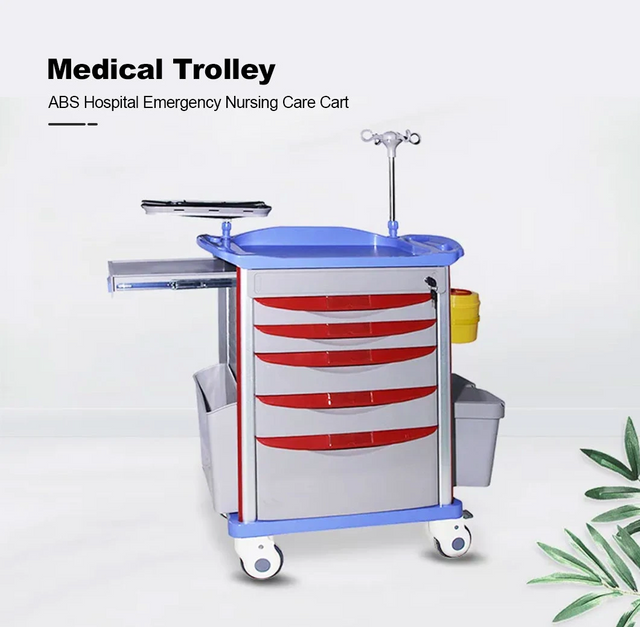
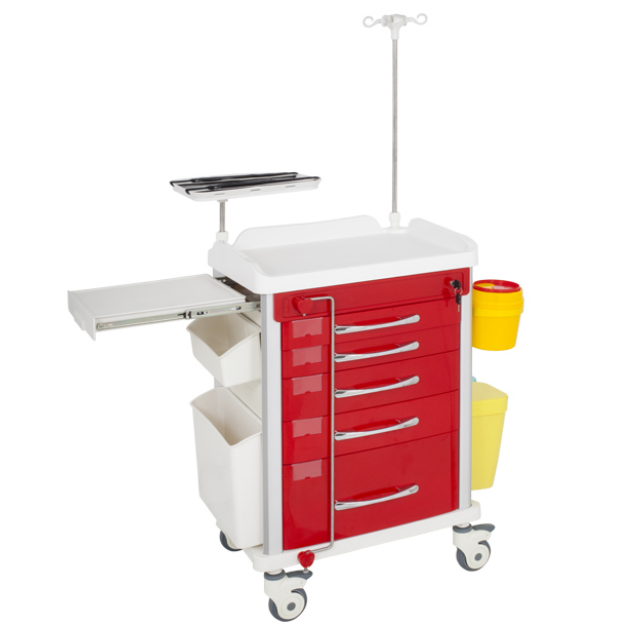
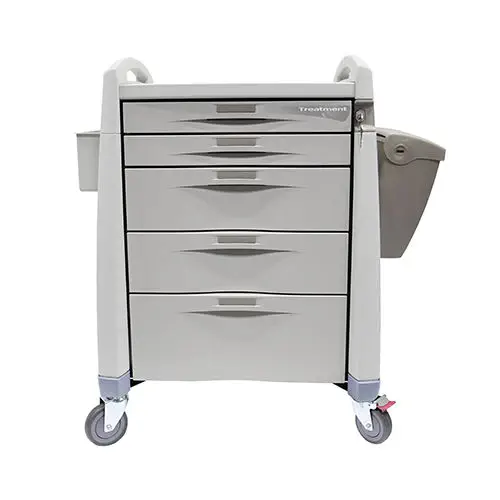
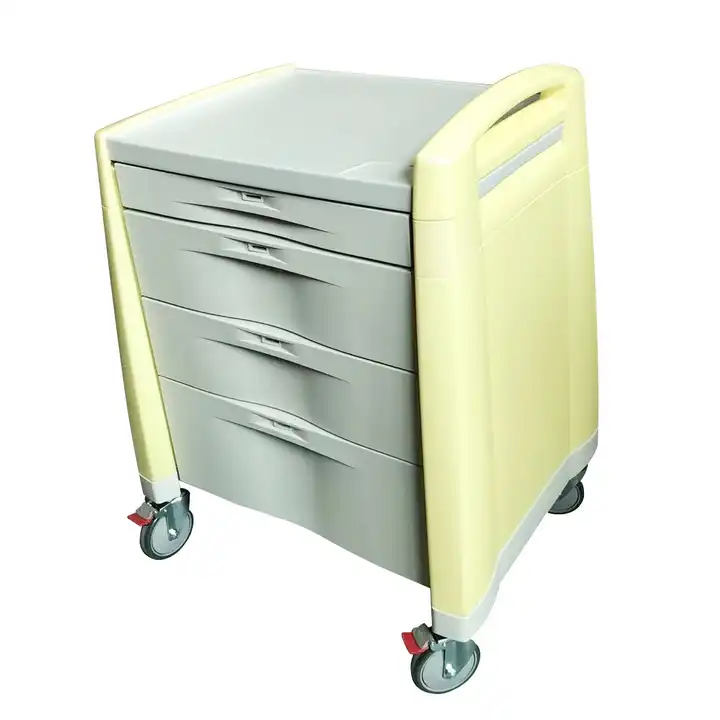
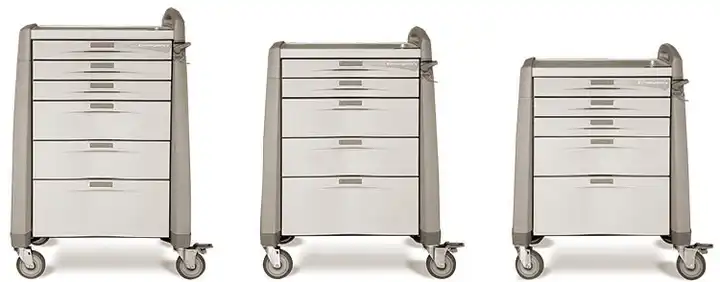
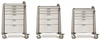
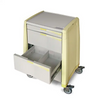
Cuboc's mobile hospital carts features a high-strength ABS body and branded castors, ensuring durability and mobility.
The medication cart includes essential features such as an IV pole, oxygen tank holder, defibrillator shelf, defibrillator board, and a side expandable shelf, providing convenient storage for medical equipment.
Constructed with lightweight and advanced polymer materials, the cart offers a compact footprint while maintaining durability.
The surfaces of the hospital isolation carts are designed to be easy to clean, promoting a hygienic environment.
The built-in Microban antimicrobial product protection helps to inhibit the growth of bacteria, keeping the cart cleaner between regular cleanings.
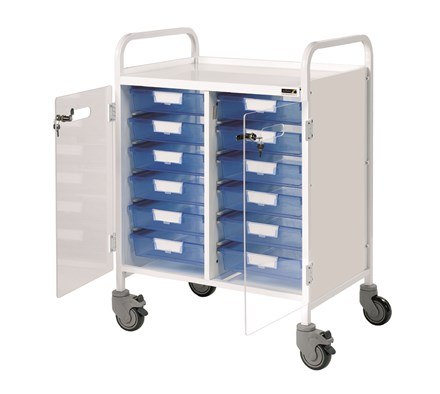
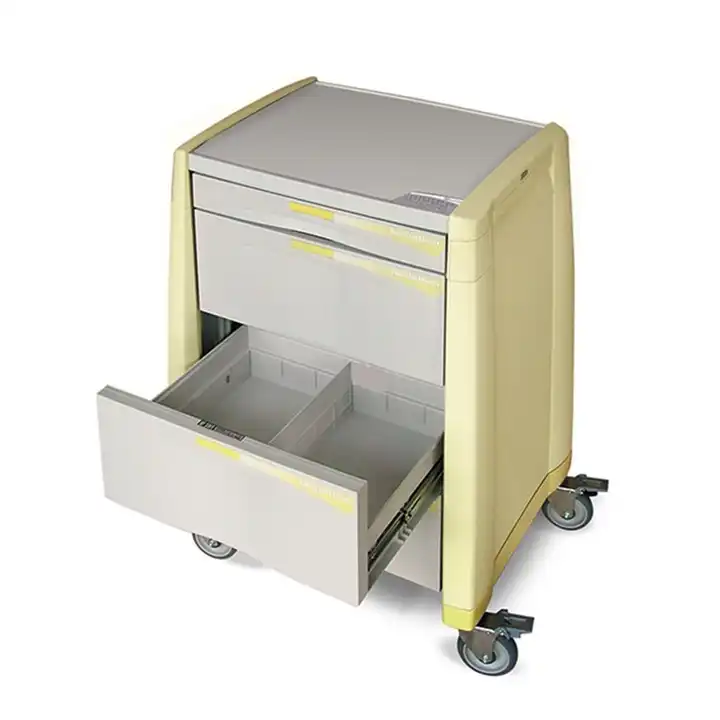
The Mobile Medical Isolation Cart for Hospital features four (customizable)drawers with various depths, providing optimum storage options for medical supplies and equipment.
The varying depths of the drawers offer flexibility in storing different types of supplies.
For example, shallow drawers can be used to store smaller items such as syringes, bandages, or medication bottles, while deeper drawers can accommodate bulkier items like medical devices, diagnostic tools, or larger quantities of supplies.
The medical transport carts is constructed with a modular design, which means it is composed of separate components that can be easily assembled and disassembled.
This modular construction facilitates efficient cleaning and maintenance of the cart. The individual parts can be detached, providing access to hard-to-reach areas, corners, and crevices that may accumulate dust, dirt, or spills.
The smooth surfaces of the cart further contribute to its cleanliness and hygiene. The absence of rough edges, seams, or textured surfaces makes it easier to wipe down and disinfect the cart, ensuring thorough cleaning.
Smooth surfaces also minimize the potential for bacterial growth and make it more difficult for contaminants to adhere, helping to maintain high cleanliness standards in healthcare environments.

What materials are best for healthcare waiting room furniture? Healthcare waiting room seating should be selected for cleanability, chemical compatibility, durability, comfort, accessibility, and maintenance. Molded polymer, healthcare-grade vinyl or polyurethane, and selected performance textiles c

What is ligature-resistant furniture? Ligature-resistant furniture is designed to reduce opportunities for cords, sheets, clothing, ropes, or similar materials to create a sustainable attachment point that could contribute to self-harm. It is one component of a broader behavioral health safety strat

How big should a dental operatory be, and what furniture does it need? FGI's 2022 dental-facility update removed the previous 80-square-foot minimum operatory floor area while retaining 2 feet 8 inches of clearance on all sides of the dental chair. Many general-dentistry practices plan around a 10 ×

What furniture is needed in an outpatient exam room? A typical outpatient exam room includes an exam table, clinician stool, patient or visitor seating, work surface or workstation, secure storage, handwashing access, medical-supply support, and appropriate lighting or technology supports. The final
What is behavioral health furniture? Behavioral health furniture is designed for psychiatric hospitals, behavioral health units, substance-use treatment facilities, crisis-stabilization centers, and other patient-care environments where safety risks may differ from those in general healthcare spaces

What is HIPAA-conscious reception design? HIPAA-conscious reception design uses reception layout, workstation orientation, visual screening, secure document storage, seating placement, and acoustic strategies to reduce the risk that patients or visitors can see or overhear protected health informati