| Materal: | |
|---|---|
| Size: | |
| Load Capacity: | |
| Thickness: | |
| Availability: | |
| Quantity: | |
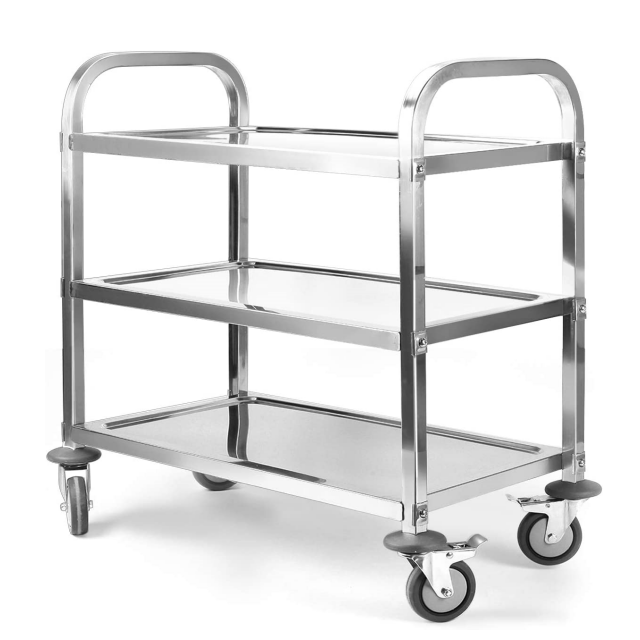
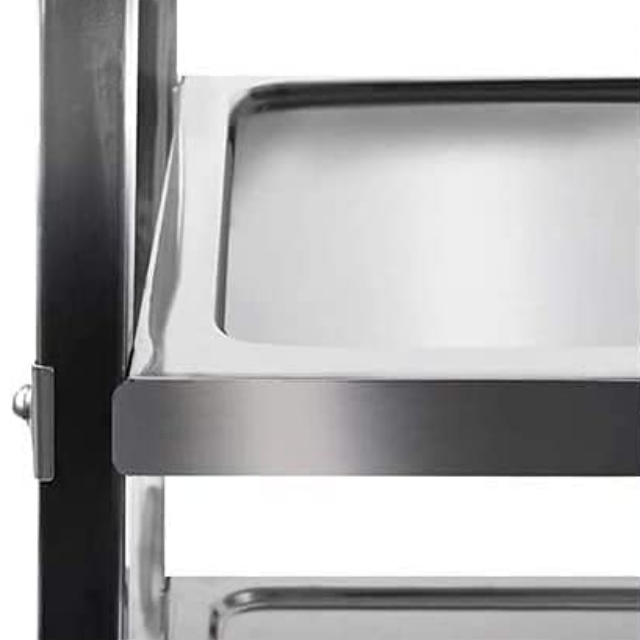
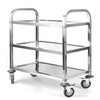
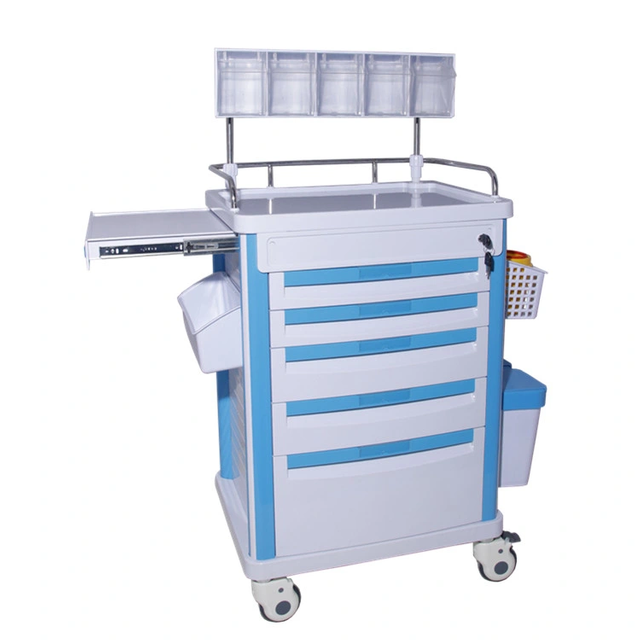
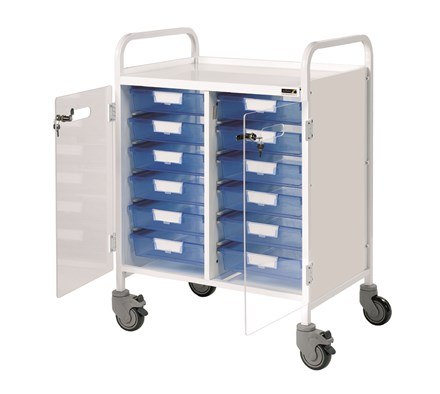
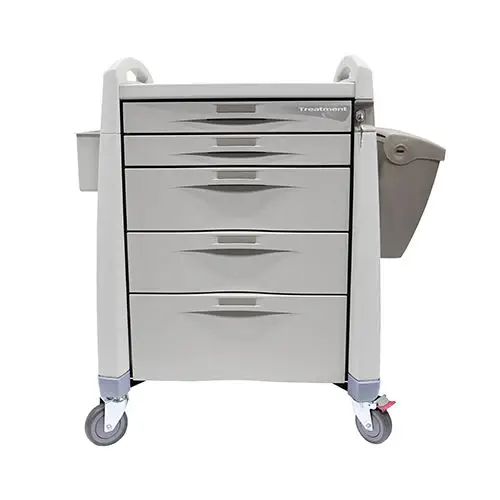
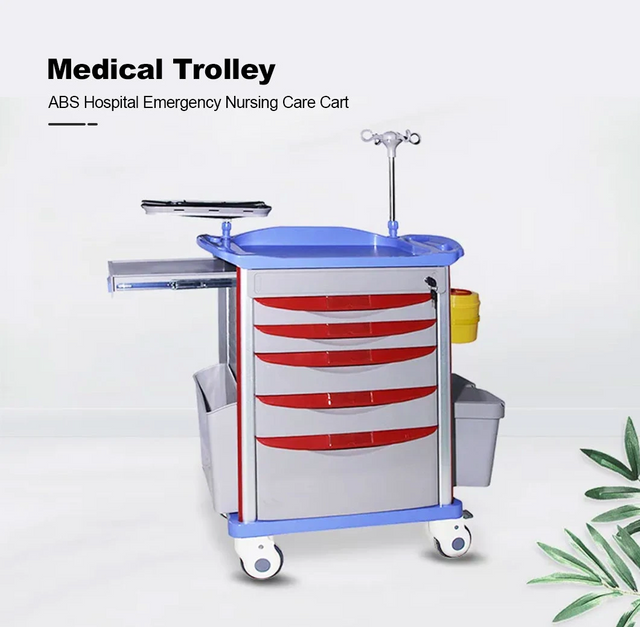
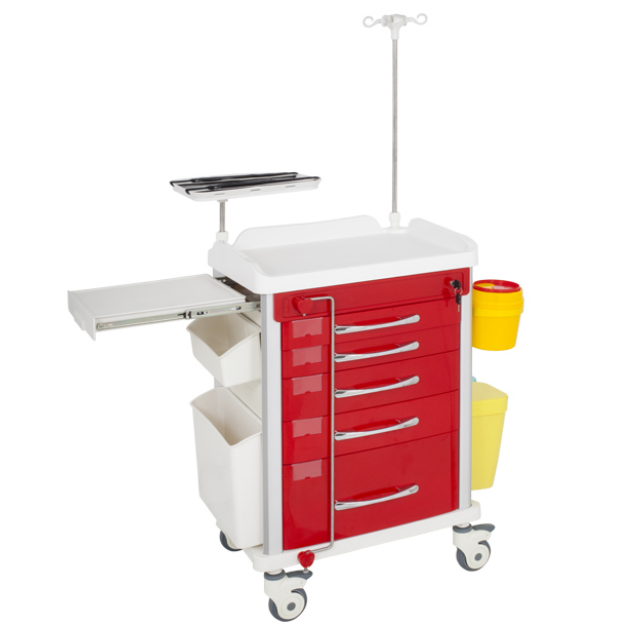
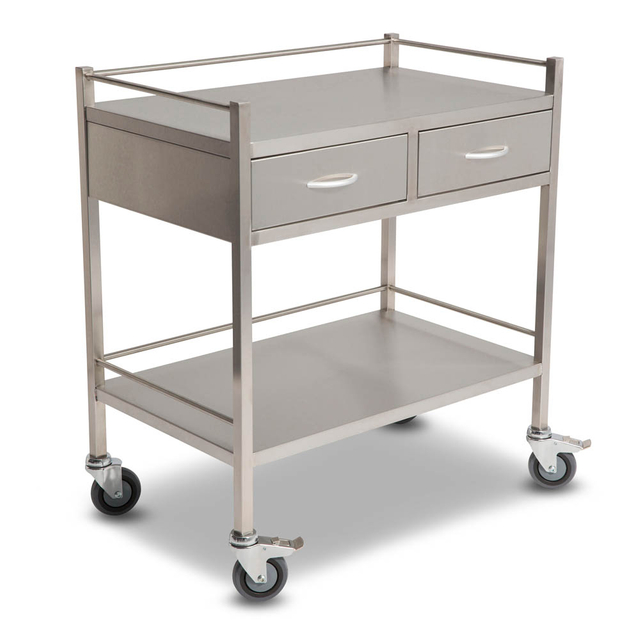
The non-magnetic stainless steel construction of this hospital food serving cart ensures its durability and resistance to rust, making it suitable for hospital environments where hygiene and longevity are crucial.
It can withstand the demands of frequent use and cleaning, maintaining its shape and integrity over time.
The Meal delivery cart's durability allows it to withstand the rigorous demands of food delivery in hospitals, ensuring reliable and long-lasting performance.
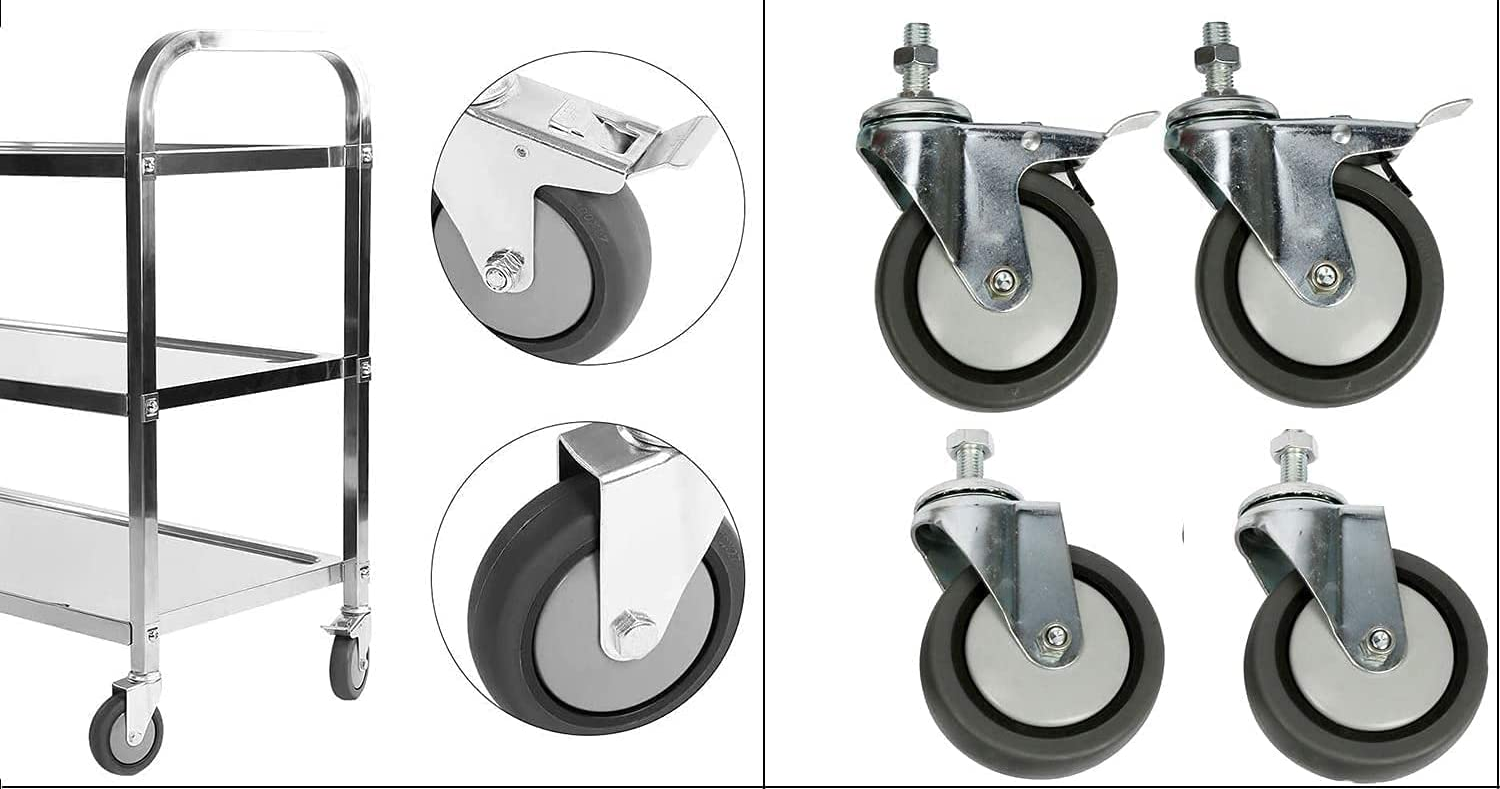
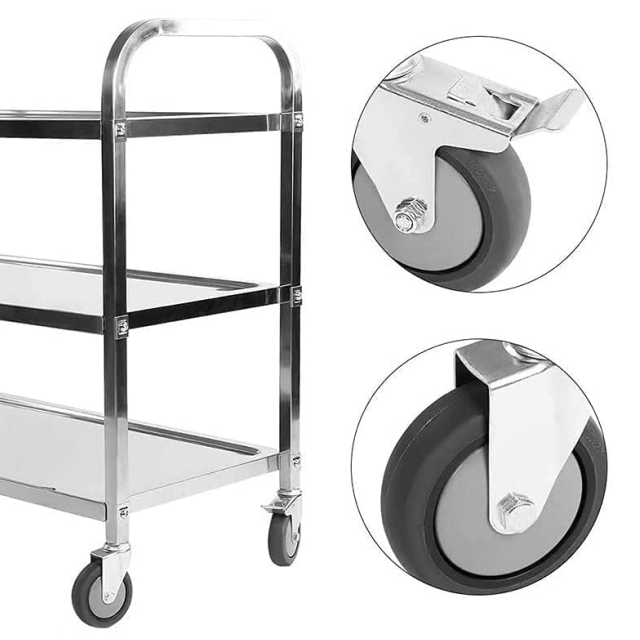
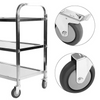
The 360-degree swivel wheels on the cart enable easy maneuverability, making it effortless to navigate through hospital corridors and rooms.
This is especially beneficial for food delivery in hospitals, as it allows staff to transport meals efficiently and quickly to patients and various areas within the healthcare facility.
The soft, non-marking, and noise-free wheels ensure smooth and quiet movement, minimizing disruptions and maintaining a calm and comfortable environment for patients.
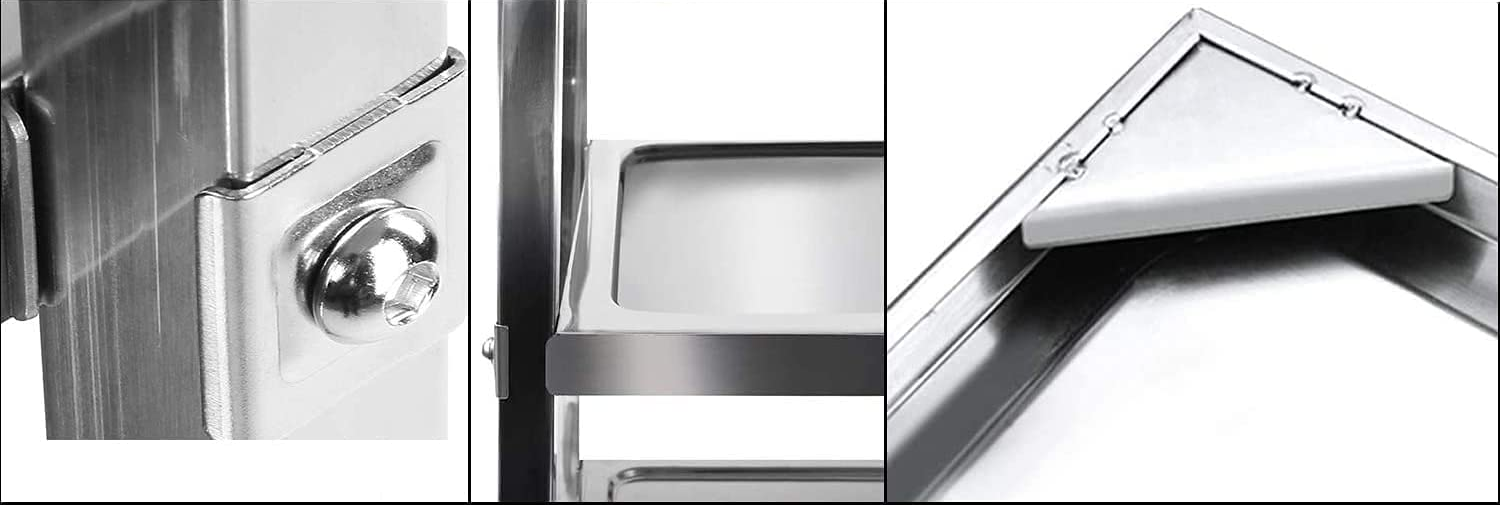
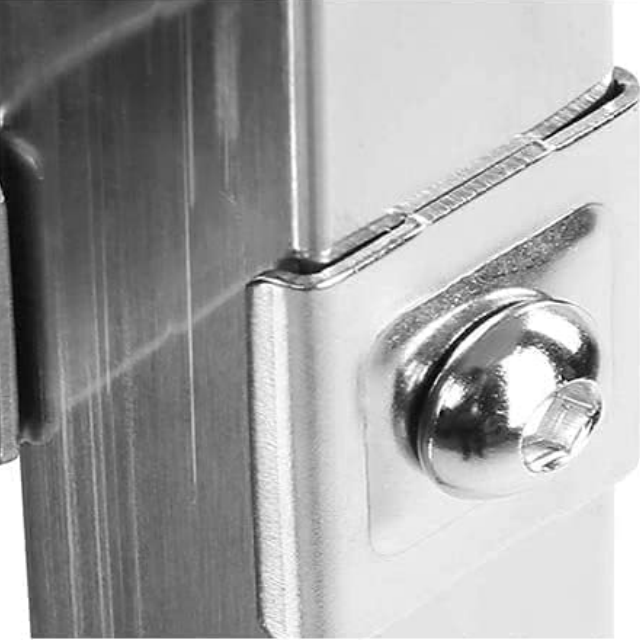
The hospital food tray delivery cart's detachable design allows for easy installation and storage, making it convenient for hospital staff to assemble and disassemble the cart as needed.
This feature is particularly useful in hospitals where space is limited and flexibility is required.
The provided installation instructions ensure a hassle-free assembly process, allowing staff to quickly set up and start using the cart for food delivery purposes.

Clinic waiting room furniture is not just décor; it directly shapes patient experience, infection control performance, and operational efficiency. If you treat clinic waiting room furniture like standard office seating, you increase infection risks, create accessibility barriers, and drag down patie
Behavioral health furniture design is not an aesthetic decision; it is a life‑safety decision that directly affects self‑harm risk, staff safety, and regulatory compliance. If you install standard commercial furniture in psychiatric units, crisis centers, or residential treatment facilities, you cre
Introduction: Why Hospital‑Grade Furniture Materials Are a Risk Decision, Not a Design ChoiceIn healthcare furniture procurement, the material specification is not a design preference. It is a risk‑management decision that affects infection control, life safety, and long‑term cost.A single C. diff s
Introduction: Why Senior Living Furniture Procurement Is DifferentSenior living furniture procurement sits at the intersection of healthcare compliance, residential aesthetics, and budget realism. Residents may spend 80–90% of their day in these spaces, and one poor furniture decision can affect mob
Introduction: Why Healthcare Furniture Procurement Cannot Be Treated Like Office ChairsHealthcare furniture procurement is not like ordering task chairs for a corporate office.If an office chair fails, someone opens a ticket with facilities; if a recliner fails in a patient room, or the upholstery h
For modern hospitals, clinics, and outpatient centers, a portable folding couch is no longer a casual extra; it has become a strategic, multi‑functional piece of healthcare furniture. Within the broader convertible sofas & futons category, healthcare‑grade folding couches help planners, facility man