|


loading


| Dimension(CM): | |
|---|---|
| Material : | |
| Accessaries: | |
| Availability: | |
| Quantity: | |
Cuboc

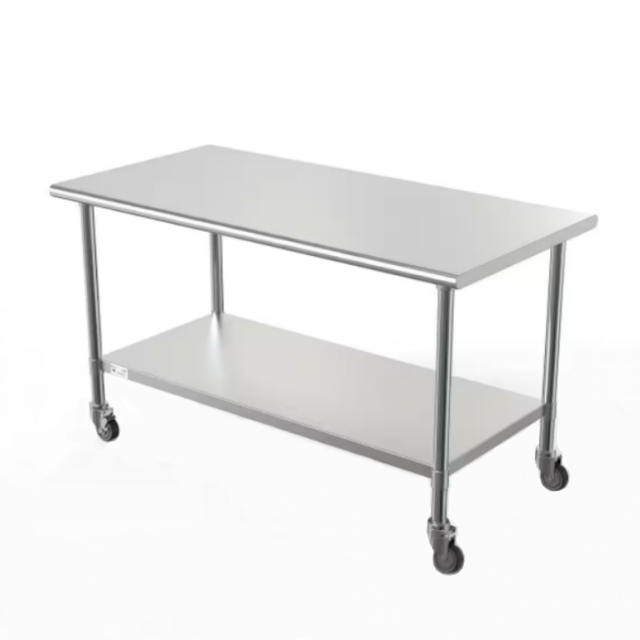
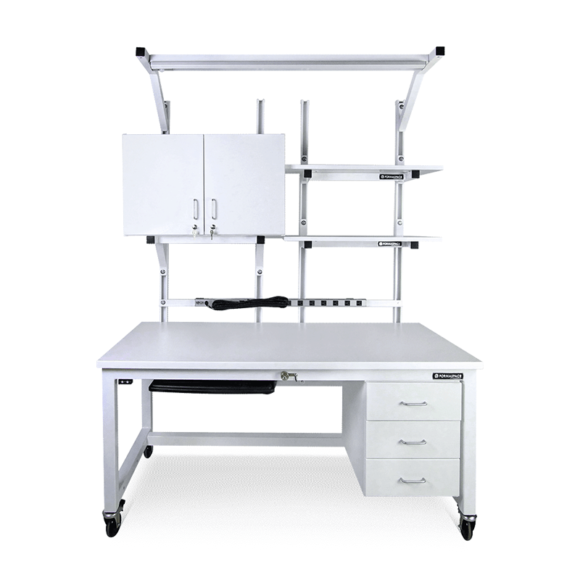
Cuboc understands the diverse requirements of hospital labs and offers a custom-built approach.
The Lab Bench can be tailored to exact specifications at no extra charge.
Customers have the flexibility to choose the type of furniture, workbench surface, and size that best fits their workspace.
Various surface options are available, including Standard Laminate, Electrostatic Dissipative (ESD) Laminate, Chemical Resistant Laminate, Phenolic Resin, Epoxy Resin, High-Density Polyethylene (HDPE), Stainless Steel, Maple Block, Plexiglas, Tempered Glass, Corrosive Resistant, Heat Resistant, Clean Room, and Custom Surfaces.

The Lab Bench includes a single basin stainless steel sink for convenient handwashing and utensil cleaning.
It provides both hot and cold running water and is designed to meet the NSF certification requirements for foodservice and catering.

Additional accessories such as
Integrated Paper Roll Holder,Cutter, Integrated Bin Rail ,Supply Bins, Stainless Sinks, ESD Grounding Kit, Total Lock Caster, LCD Monitor Arm, Power Strip, Lower Shelf, Adjustable Upper Shelves, CPU Holder, and Articulating Keyboard Tray are available to enhance functionality and meet specific requirements.

Cuboc takes pride in its in-house design, manufacturing, and quality control processes.
The Lab Bench is built with high-quality materials, including AISI 304 stainless steel, to ensure durability and longevity.

The Lab Bench workstation is designed with curved and raised edges to prevent splashing, ensuring a clean and hygienic environment.
Its thoughtful design facilitates easy cleaning and maintenance.
Additionally, customers have the option to include features like Plexiglas protection barriers, backsplash protection, and drain and water connections, further enhancing usability and safety.

In a dementia care unit, furniture and doors do more than fill a room. They help residents recognise where they are, what a space is for and which room is theirs. This guide explains how door contrast, familiar furniture and personal cues support wayfinding. It ends with a review checklist for corri

What should buyers verify when specifying behavioral health furniture? Review the product's construction, accessible components, installation, cleanability and maintenance requirements against the facility's room-specific environmental risk assessment. Then confirm that drawings, product documentati

What should a medical examination room furniture specification include? Start with the room's clinical function and layout, then record each item’s model, dimensions, load limits, materials, cleaning instructions, installation requirements and supporting documents. Verify the complete room through a

What furniture does a senior living community need? The furniture package depends on the level of care, resident mobility and daily routines. Typical requirements include bedroom furniture, supportive lounge and dining seating, personal storage, activity furniture and staff-support areas. Medical be

Bariatric healthcare furniture should be selected against defined user needs, operating conditions and product evidence—not a “heavy-duty” label alone.Before comparing products, confirm what the manufacturer's capacity rating means, whether the dimensions suit the intended users and whether the equi

How do you choose a hospital bed? Start with the patient population, intended care setting, transfer needs and repositioning requirements. Then compare adjustment systems, overall dimensions, maximum patient weight, safe working load, mattress compatibility, safety documentation and service support.