| Materal: | |
|---|---|
| Size: | |
| Color: | |
| Availability: | |
| Quantity: | |
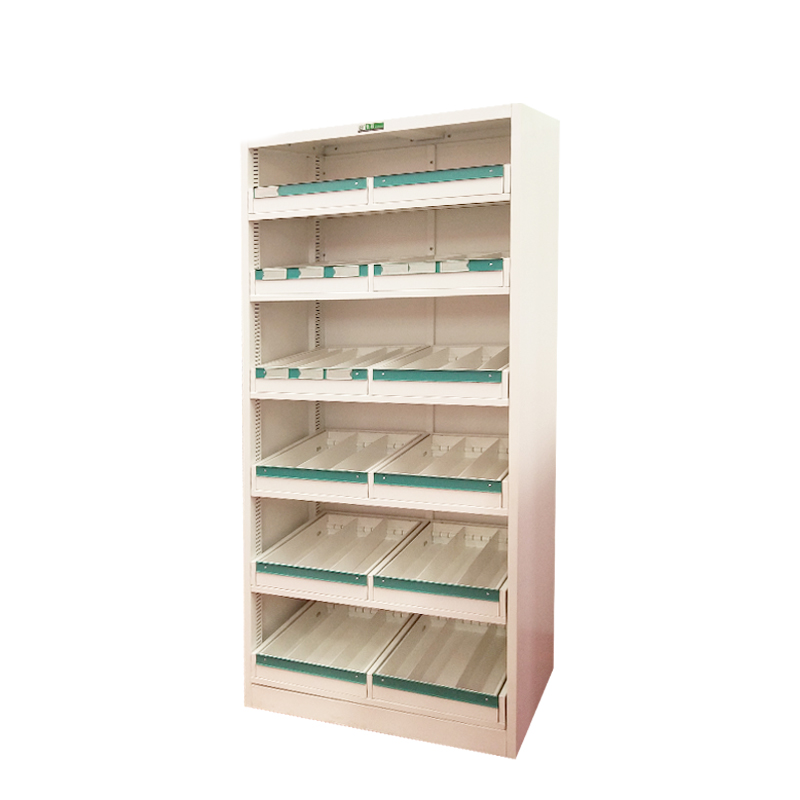
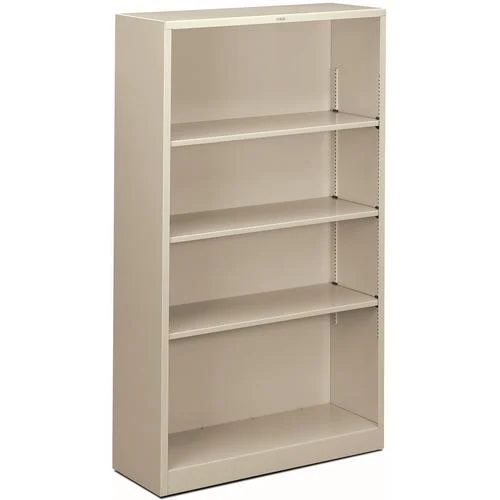
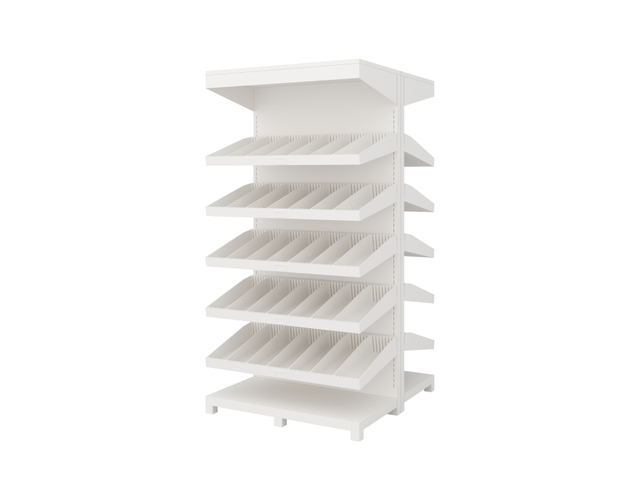
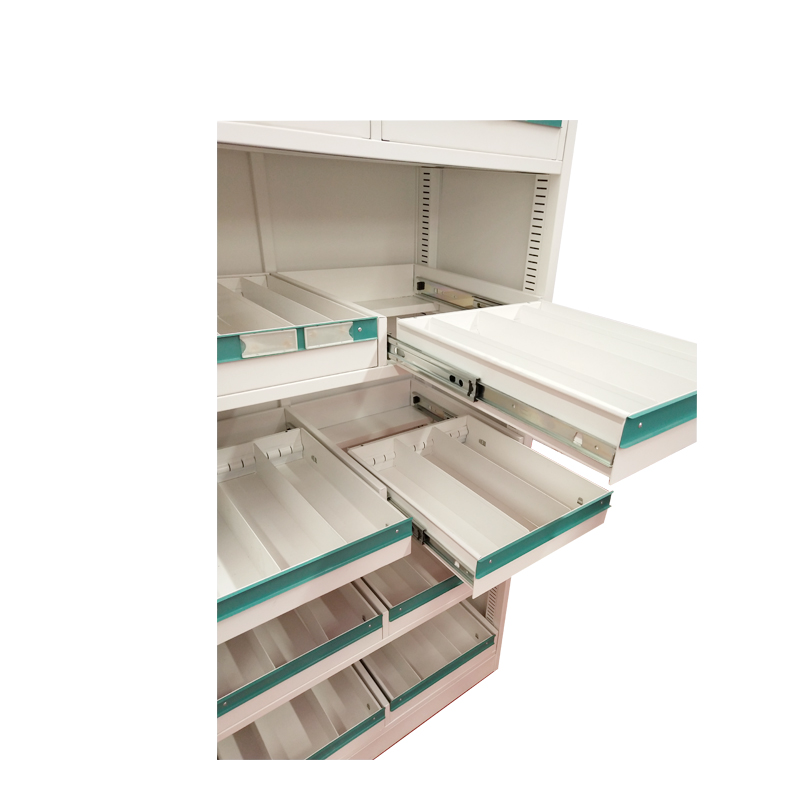
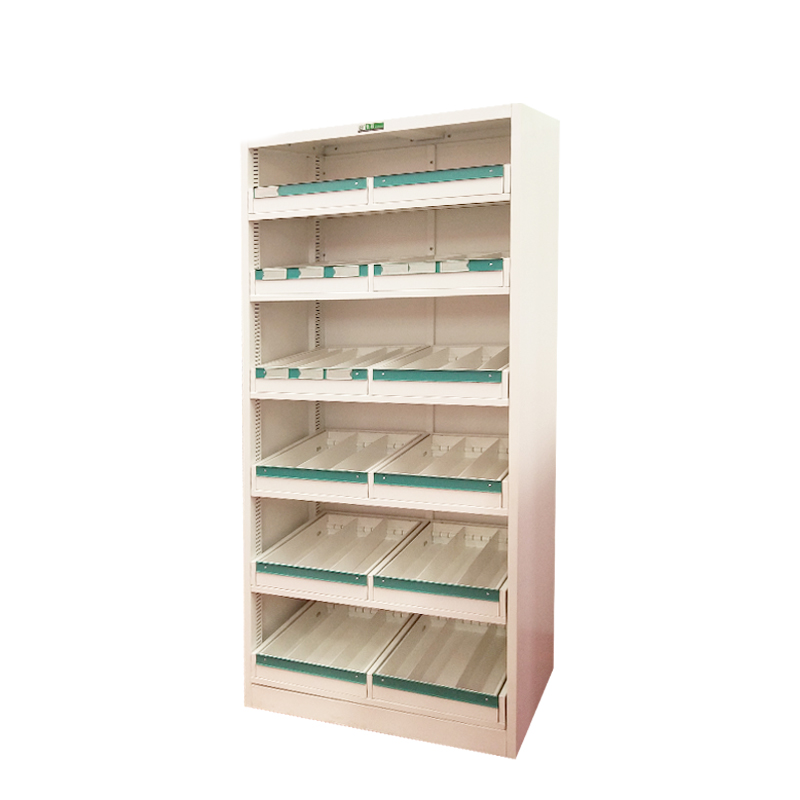
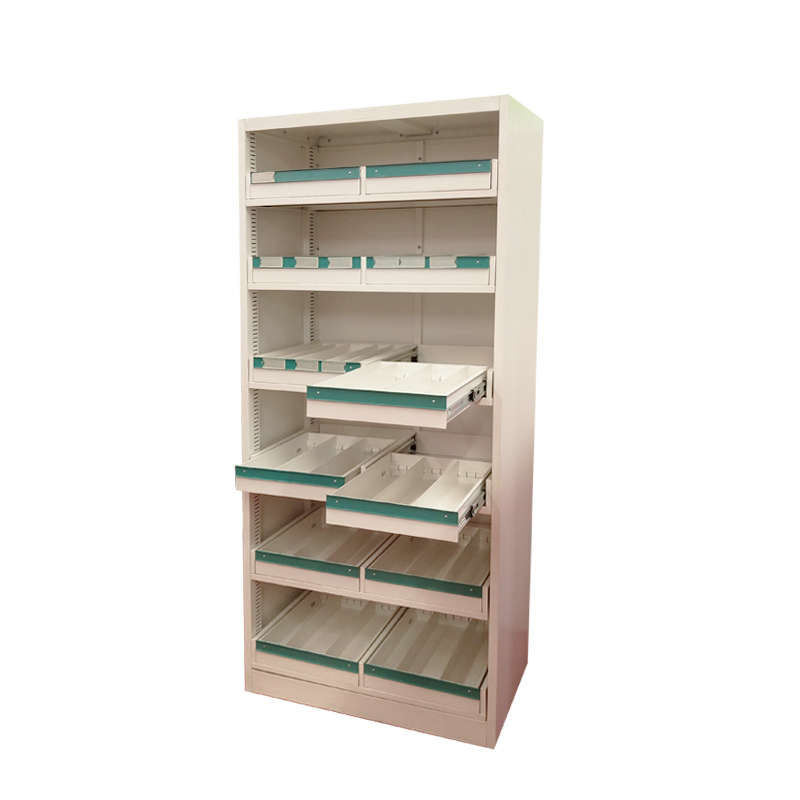
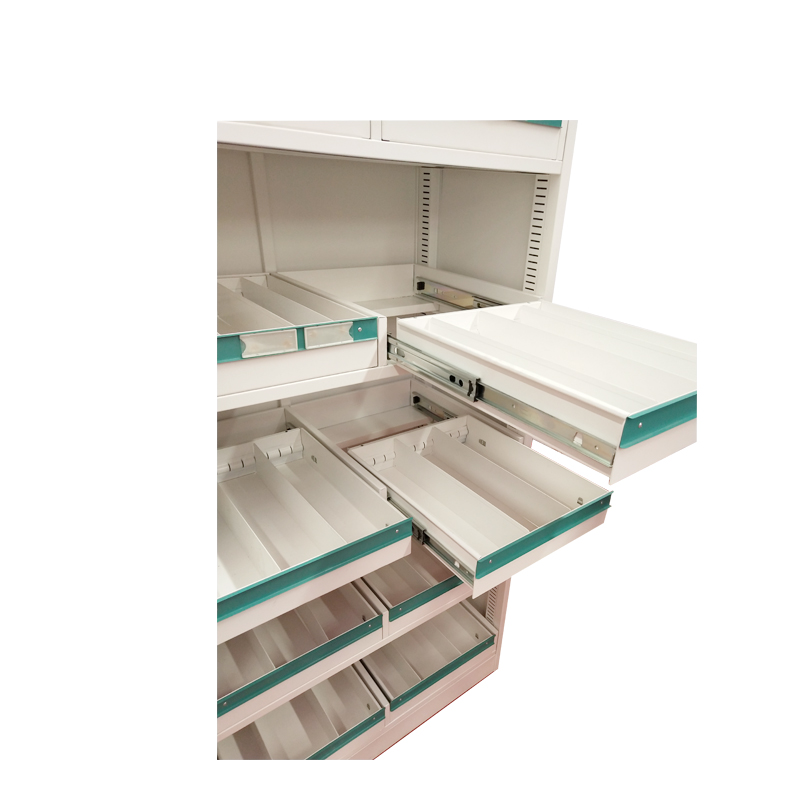
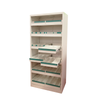
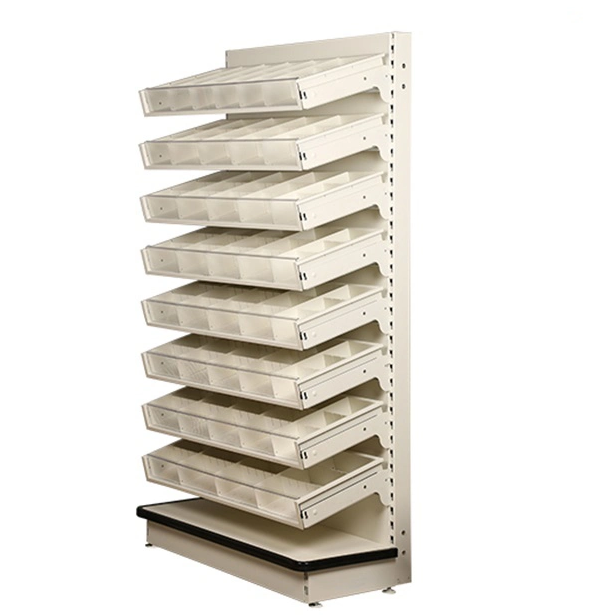
The pharmacy storage racks features a telescopic drawer shelf, offering a flexible storage solution that allows for easy access to stored items.
Its adjustable design enables customization of shelf space, catering to specific storage needs.
Additionally, the rack includes adjustable storage dividers, enhancing organization and facilitating efficient sorting and categorization of pharmaceutical products.

The hospital storage racks is constructed with cold rolled steel, a high-quality material known for its exceptional strength and durability.
Cold rolled steel undergoes a process where it is rolled at room temperature, resulting in a stronger and more uniform product compared to hot rolled steel.
This makes the rack highly resistant to bending, warping, and other forms of deformation, ensuring it can withstand the demands of a busy pharmacy environment.
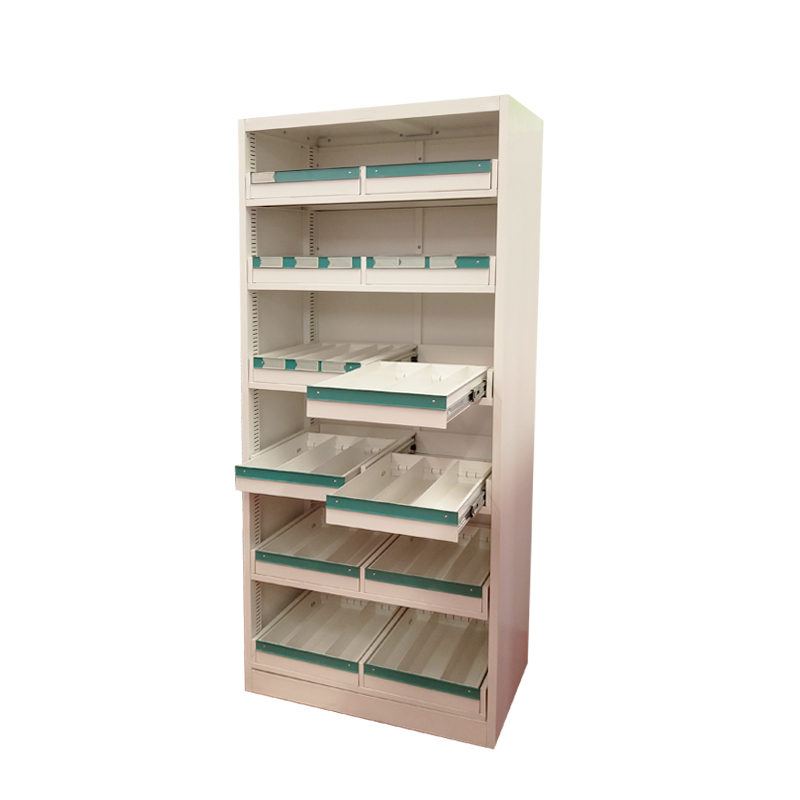
The medical store display rack for Pharmacy features drawers that are specifically designed to optimize accessibility and streamline workflow in a busy pharmacy environment.
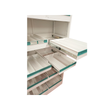
The drawers are strategically positioned and sized to accommodate various pharmaceutical products, allowing for efficient organization and easy retrieval.
With smooth gliding mechanisms, the drawers effortlessly slide open, providing quick and convenient access to the stored items.
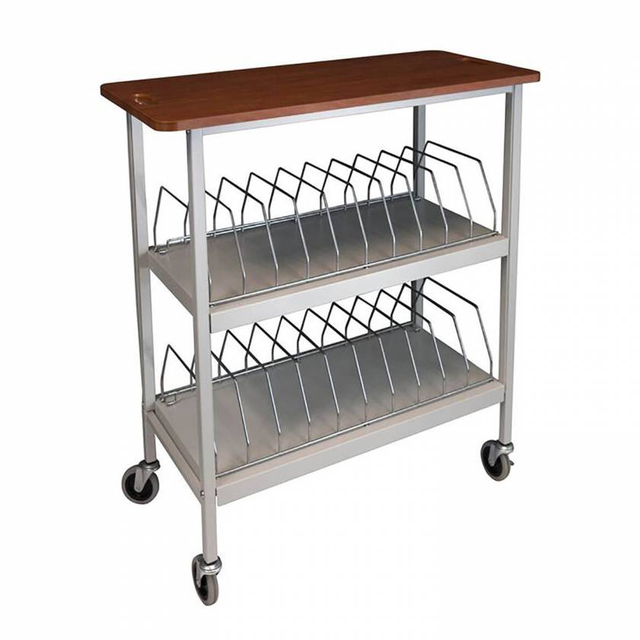
The medication display rack for pharmacy is equipped with integrated label holders, which are designed to streamline inventory management processes.
These label holders provide a convenient and visible space for labeling and identifying different products stored in the rack.
Pharmacists and pharmacy staff can easily attach labels to the holders, indicating important information such as medication names, dosage strengths, expiration dates, or storage requirements.
This feature promotes efficient organization and identification of products, reducing the likelihood of errors and enhancing inventory management accuracy.
Title: I. IntroductionBehavioral healthcare design trends have moved from niche conversations to board‑level priorities for hospitals, health systems, and growing outpatient networks. Today’s decision‑makers are under pressure to expand capacity, improve safety, retain staff, and deliver better outc
In behavioral health, psychiatric units, and other high‑risk environments such as crisis centers and some correctional facilities, anti‑ligature design standards are a critical part of patient safety strategy. These standards focus on eliminating or minimizing points where a patient could attach a c
Healthcare facilities face unique challenges when selecting furniture. Unlike office or hospitality environments, medical settings demand furniture that balances infection control, patient safety, ergonomic support, and durability—all while meeting strict regulatory standards.For project managers, f
Medicine trolleys sit quietly in the background of hospitals and clinics, yet they shape how safely and efficiently care teams work every single shift. A thoughtfully designed trolley does far more than store medications; it helps control infection, reduces fatigue, lowers error risk, and supports f
The proper choice of a hospital bed is important for providing effective patient care because it has an impact on patient comfort, safety, and overall recovery outcomes. With the vast selection of hospital beds available today, picking out the best one for a patient can seem overwhelming. Every comp
Although the sleeping surface typically resembles a Twin XL, the overall physical footprint presents a significantly different picture. Picture moving a new piece of furniture into a spare room, only to realize it cannot squeeze through a standard 30-inch bedroom door. According to medical equipment