 |
loading


| Color: | |
|---|---|
| Material : | |
| Dimension: | |
| Max weight capacity: | |
| Availability: | |
| Quantity: | |
Cuboc
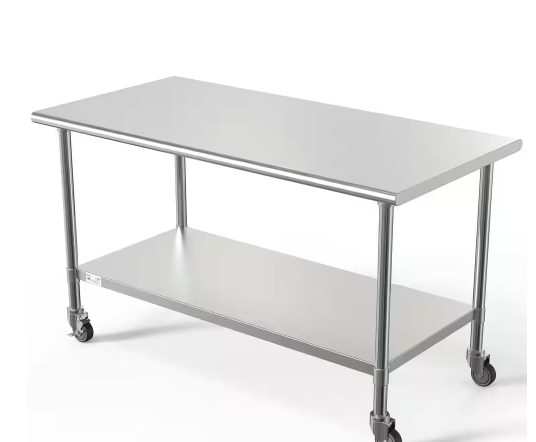
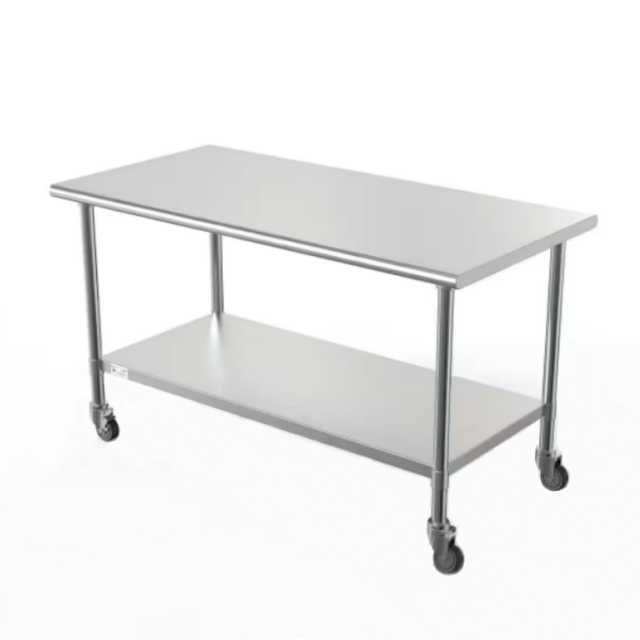
Hospital labs are dynamic environments that require sturdy and reliable workbenches to support their operations.
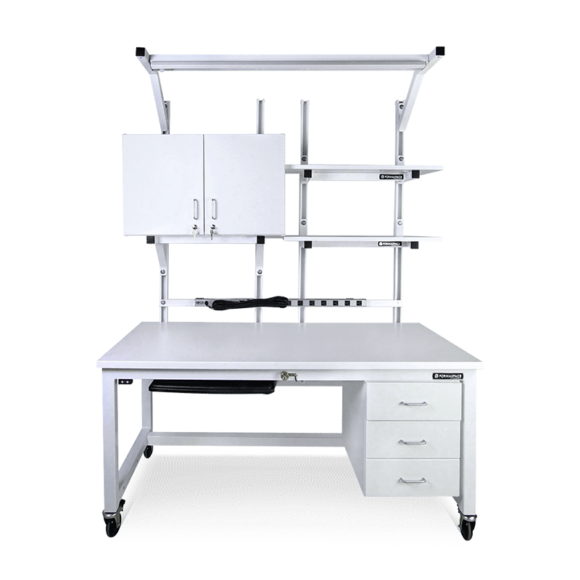
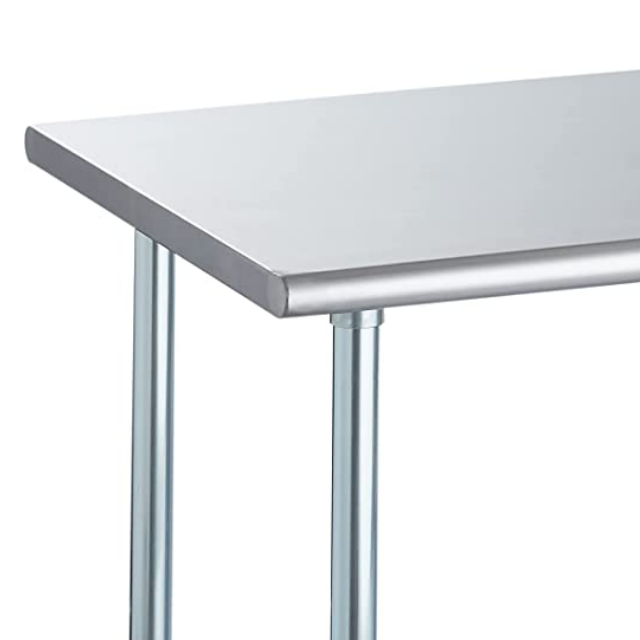
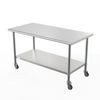
Cuboc's Heavy-Duty Modular Mobile Lab Benches full features perimeter, heavy-gauge steel frame, which provides exceptional strength and durability, ensuring it can withstand thedemands of a busy lab setting.
With a weight capacity of up to 1,000 lbs, this workbench offers ample support for various laboratory equipment, instruments, and supplies, allowing lab technicians to work efficiently and safely.
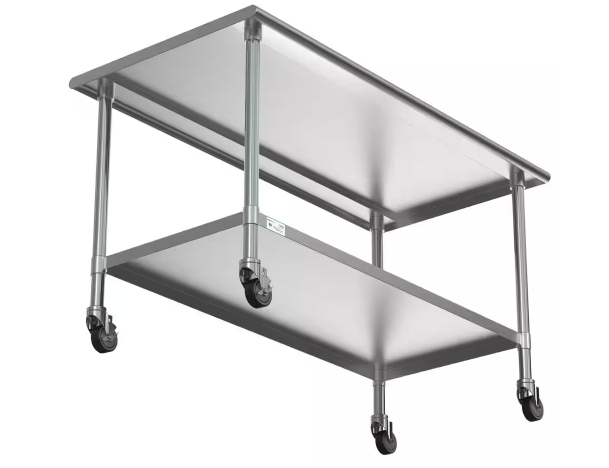
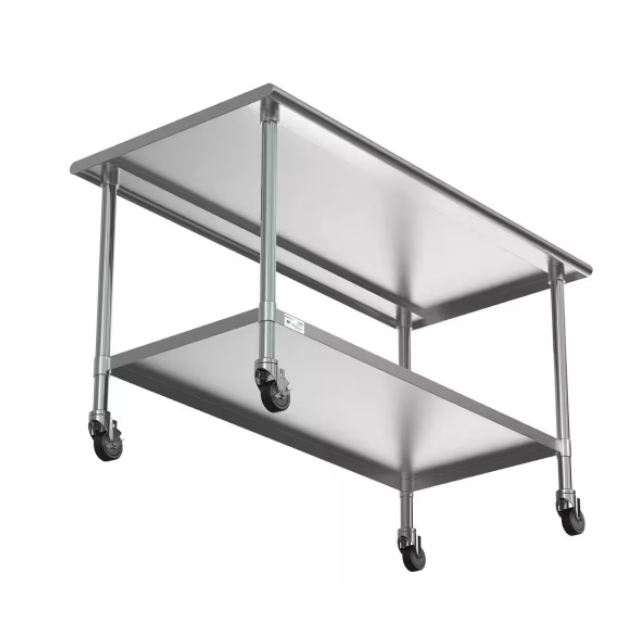
Additional shelves or storage containers can be attached to these legs, allowing lab personnel to keep essential tools, samples, or documentation within reach.
This promotes a tidy and well-organized work area, reducing the risk of misplaced items and improving productivity.
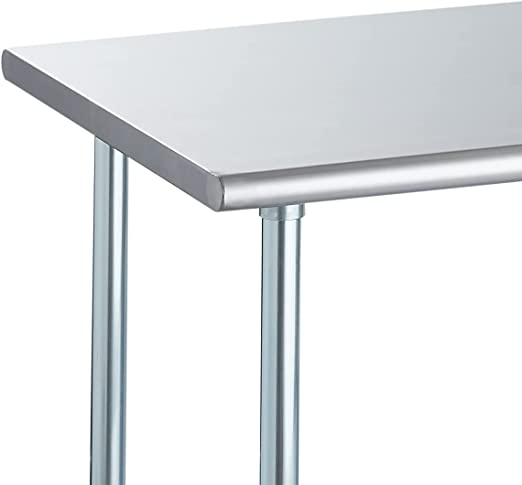
The adjustability of Heavy-Duty workbench height is crucial in accommodating different lab technicians and their specific requirements.
With an adjustable height range from 36 to 46" in 2" increments, this workbench can be easily customized to match the ergonomic needs of individual users.
This feature promotes proper posture and reduces strain on the body during long hours of work. Lab technicians can set the workbench at a comfortable height, minimizing the risk of repetitive stress injuries and enhancing overall productivity.
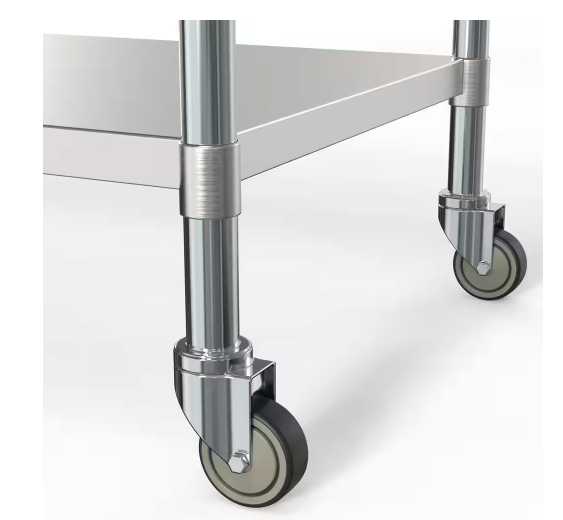
Modular workbench often deal with delicate and valuable equipment or specimens that require careful handling.
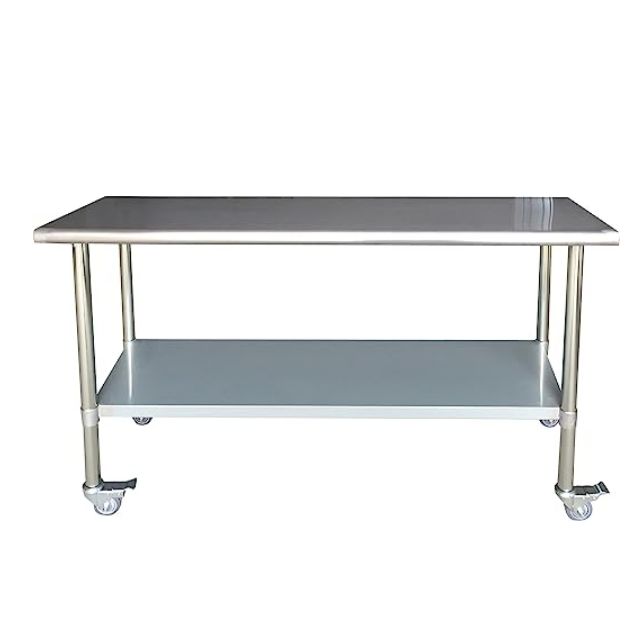
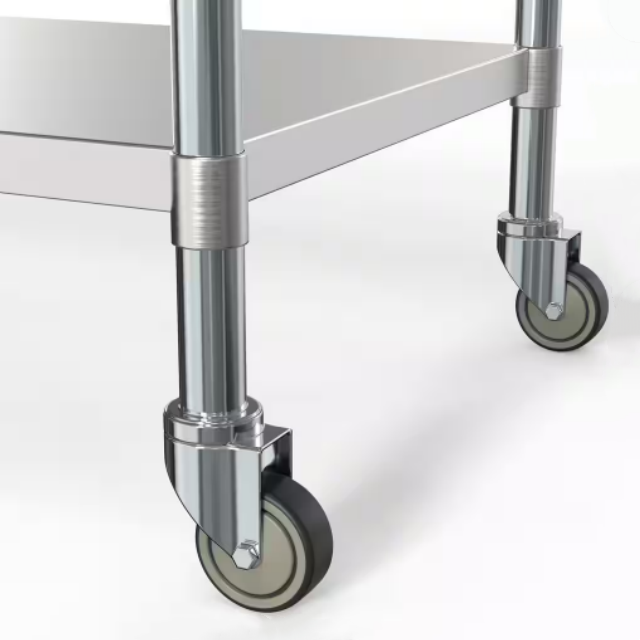
The inclusion of 5" locking swivel casters on this workbench provides mobility and stability when necessary.
Lab technicians can effortlessly move the workbench to different areas of the lab, allowing for flexible workspace arrangements or easy access to specific equipment.
Once in position, the locking casters ensure that the workbench remains securely in place, providing a stable surface for precision work or delicate experiments.

What materials are best for healthcare waiting room furniture? Healthcare waiting room seating should be selected for cleanability, chemical compatibility, durability, comfort, accessibility, and maintenance. Molded polymer, healthcare-grade vinyl or polyurethane, and selected performance textiles c

What is ligature-resistant furniture? Ligature-resistant furniture is designed to reduce opportunities for cords, sheets, clothing, ropes, or similar materials to create a sustainable attachment point that could contribute to self-harm. It is one component of a broader behavioral health safety strat

How big should a dental operatory be, and what furniture does it need? FGI's 2022 dental-facility update removed the previous 80-square-foot minimum operatory floor area while retaining 2 feet 8 inches of clearance on all sides of the dental chair. Many general-dentistry practices plan around a 10 ×

What furniture is needed in an outpatient exam room? A typical outpatient exam room includes an exam table, clinician stool, patient or visitor seating, work surface or workstation, secure storage, handwashing access, medical-supply support, and appropriate lighting or technology supports. The final
What is behavioral health furniture? Behavioral health furniture is designed for psychiatric hospitals, behavioral health units, substance-use treatment facilities, crisis-stabilization centers, and other patient-care environments where safety risks may differ from those in general healthcare spaces

What is HIPAA-conscious reception design? HIPAA-conscious reception design uses reception layout, workstation orientation, visual screening, secure document storage, seating placement, and acoustic strategies to reduce the risk that patients or visitors can see or overhear protected health informati