 |
loading


| Dimension(mm): | |
|---|---|
| Material : | |
| Accessaries: | |
| Item Weight : | |
| Availability: | |
| Quantity: | |
Cuboc
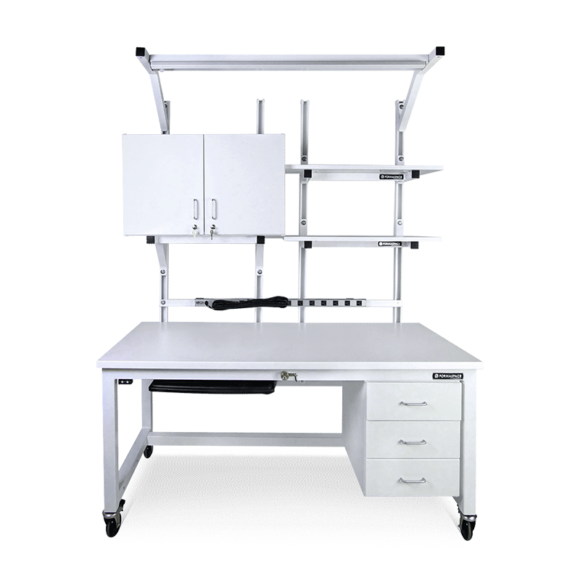
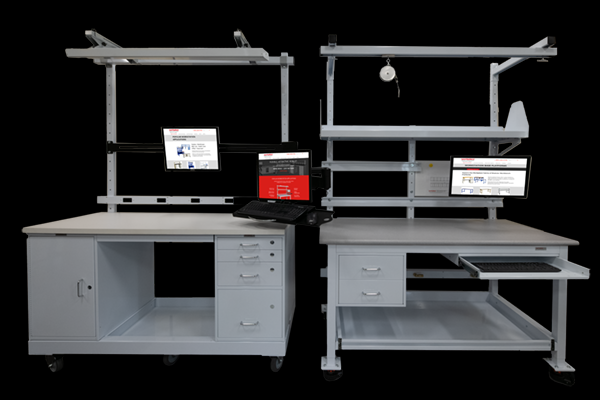
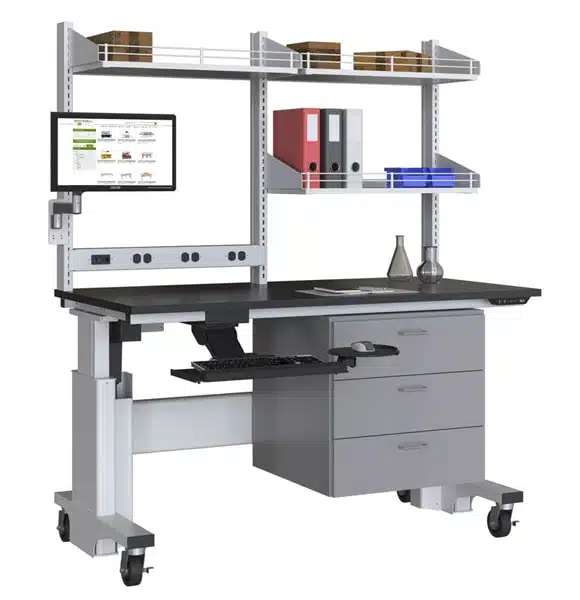
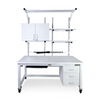
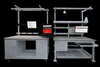
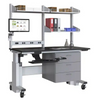
The height adjustable stainless steel ergonomic lab bench offers convenient functionality with options for both crank handle and electrically operated height adjustment.
This feature allows users to easily customize the bench height to their preferred ergonomic position.
By reducing the risk of work-related musculoskeletal disorders, this lab bench promotes employee health and well-being.
The lab bench is equipped with a 16mm Trespa TopLab Base (formerly Trespa Athlon) worktop.
This durable surface can withstand a wide temperature range from -40°C to +180°C.
Additionally, it is chemically, scratch, and abrasion resistant, ensuring long-lasting performance.
Designed for stability and longevity, the lab bench features a 38mm x 38mm x 1.5mm fully welded box section construction.
The metalwork undergoes a thorough cleaning and etching process, followed by an oven-baked powder-coated finish.
This construction method guarantees a robust and durable lab bench that can withstand rigorous use.
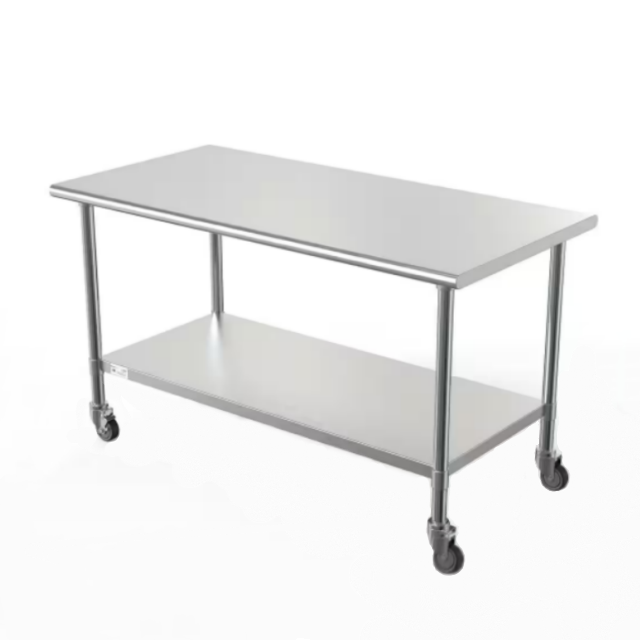
To provide flexibility and adaptability, the lab bench is equipped with adjustable leveling feet or castors.
This allows users to easily level the bench or move it as needed for reconfiguration, cleaning, or repositioning.
Whether fixed in one place or mobile, the lab bench can be adjusted to suit specific user and work process requirements.
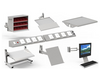
The height adjustable stainless steel ergonomic lab bench is designed to provide a customizable workspace that prioritizes both functionality and ergonomics.
With its range of customization options, users can tailor the lab bench to their specific requirements.
It is available in three standard depths and five standard lengths, ensuring a perfect fit for any workspace.
Constructed from stainless steel, the lab bench offers a virtually maintenance-free operation.
The durable material requires minimal upkeep, providing long-term reliability and usability in laboratory and assembly work settings.

What materials are best for healthcare waiting room furniture? Healthcare waiting room seating should be selected for cleanability, chemical compatibility, durability, comfort, accessibility, and maintenance. Molded polymer, healthcare-grade vinyl or polyurethane, and selected performance textiles c

What is ligature-resistant furniture? Ligature-resistant furniture is designed to reduce opportunities for cords, sheets, clothing, ropes, or similar materials to create a sustainable attachment point that could contribute to self-harm. It is one component of a broader behavioral health safety strat

How big should a dental operatory be, and what furniture does it need? FGI's 2022 dental-facility update removed the previous 80-square-foot minimum operatory floor area while retaining 2 feet 8 inches of clearance on all sides of the dental chair. Many general-dentistry practices plan around a 10 ×

What furniture is needed in an outpatient exam room? A typical outpatient exam room includes an exam table, clinician stool, patient or visitor seating, work surface or workstation, secure storage, handwashing access, medical-supply support, and appropriate lighting or technology supports. The final
What is behavioral health furniture? Behavioral health furniture is designed for psychiatric hospitals, behavioral health units, substance-use treatment facilities, crisis-stabilization centers, and other patient-care environments where safety risks may differ from those in general healthcare spaces

What is HIPAA-conscious reception design? HIPAA-conscious reception design uses reception layout, workstation orientation, visual screening, secure document storage, seating placement, and acoustic strategies to reduce the risk that patients or visitors can see or overhear protected health informati