Views: 0 Author: Site Editor Publish Time: 2025-11-25 Origin: Site


Have you ever wondered why hospital furniture looks so different from regular office furniture? Medical-grade furniture is specifically engineered to meet strict healthcare standards, featuring infection-resistant surfaces, enhanced durability, and safety features that standard furniture simply cannot provide.

Medical-grade furniture represents a specialized category of healthcare equipment designed specifically for hospital, clinic, and medical facility environments. Unlike conventional furniture, medical-grade pieces are engineered to withstand harsh disinfectants, resist fluid penetration, maintain structural integrity under intensive use, and comply with rigorous healthcare regulations including ANSI/BIFMA, GREENGUARD, and fire safety standards.
The distinction between medical-grade and standard commercial furniture is not merely aesthetic—it is fundamental to patient safety, infection control, and operational efficiency. Healthcare facilities that invest in compliant medical-grade furniture demonstrate commitment to infection prevention, caregiver safety, and long-term cost optimization.
Medical-grade furniture encompasses seating, beds, examination tables, workstations, and support furniture specifically manufactured to withstand healthcare environments' unique demands. These pieces feature non-porous surfaces, antimicrobial properties, fluid resistance, enhanced durability, and full compliance with healthcare regulations.
Core Definition: Medical-grade furniture is furniture manufactured and tested to comply with healthcare industry standards (ANSI/BIFMA, NFPA 101, ADA, GREENGUARD), featuring antimicrobial and fluid-resistant surfaces designed for easy disinfection, high-frequency use, and patient safety in medical facilities.
Non-Porous Surfaces: Prevent bacterial growth and fluid absorption
Antimicrobial Upholstery: Inhibits bacteria, fungi, and mold growth
Fluid-Resistant Barriers: Create impervious protection against bodily fluids
Chemical Resistance: Withstand repeated exposure to disinfectants (bleach, quaternary ammonium, alcohol-based cleaners)

| Standard | Purpose | Application | Requirements |
ANSI/BIFMA | Load capacity, stability testing | All healthcare furniture | 250-400 lbs. repeated use without failure |
NFPA 101 Life Safety Code | Fire and flammability | Upholstered pieces, curtains | Cal. TB 116/TB 117 compliance |
ADA (Americans with Disabilities Act) | Accessibility requirements | Patient and staff furniture | Height adjustability, mobility access |
GREENGUARD Certification | Low VOC emissions | Indoor air quality | Reduced chemical off-gassing |
UL Medical Standards | Electrical safety | Power-adjusted beds, tables | Safe power supply and controls |

Fully Electric Hospital Beds
Motorized adjustments for height, head, and foot sections
Emergency CPR button for rapid bed flattening
Weight capacity: 400-700 lbs depending on model
Price range: $3,500-$8,000
Ideal for: ICU, long-term care, acute care settings
Reinforced frame construction for heavier patients
Width: 54 inches (standard) vs. 42 inches (regular)
Weight capacity: 600+ lbs
Price range: $5,000-$10,000+
Features: Wider surface, powerful motors, reinforced safety rails

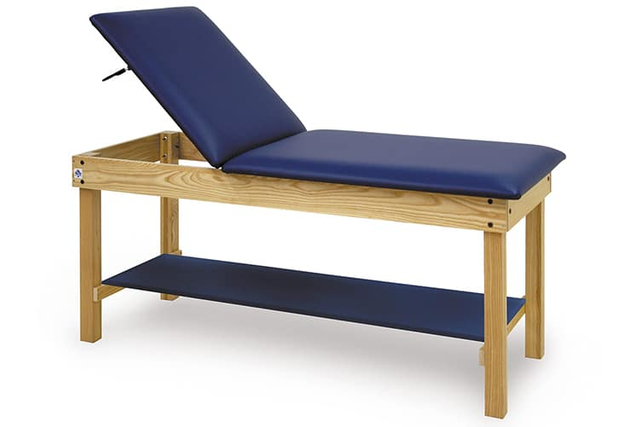
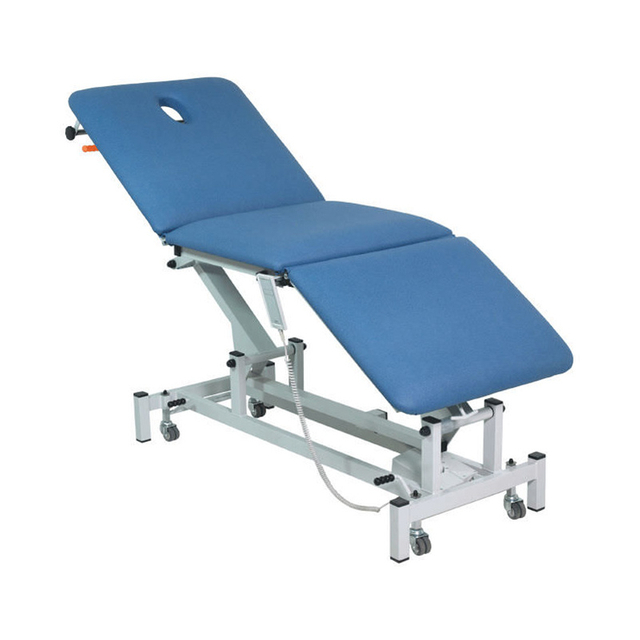
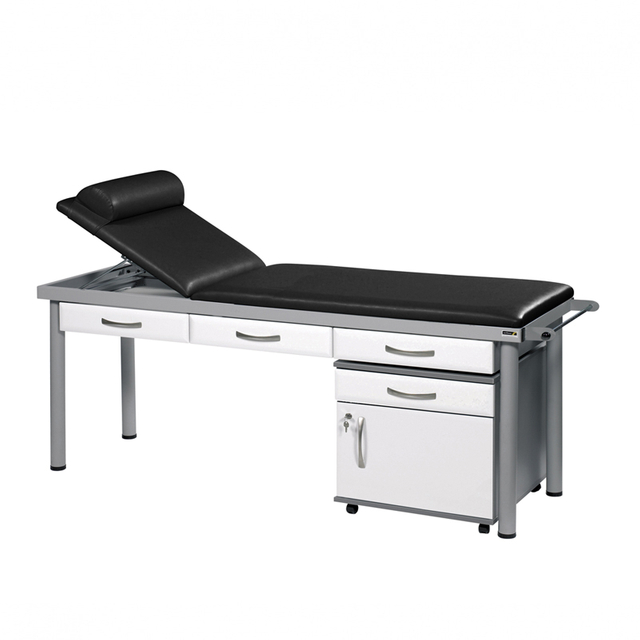
Power Examination Tables
Adjustable height (12-33 inches typically)
Motorized backrest and leg sections
Weight capacity: 600-700 lbs
Price range: $4,000-$9,000
Features: Stirrups, drawers, paper roll holders
Bariatric Exam Chairs
Reinforced seating structure
Anti-microbial upholstery
Weight capacity: 600+ lbs
Price range: $3,000-$6,000

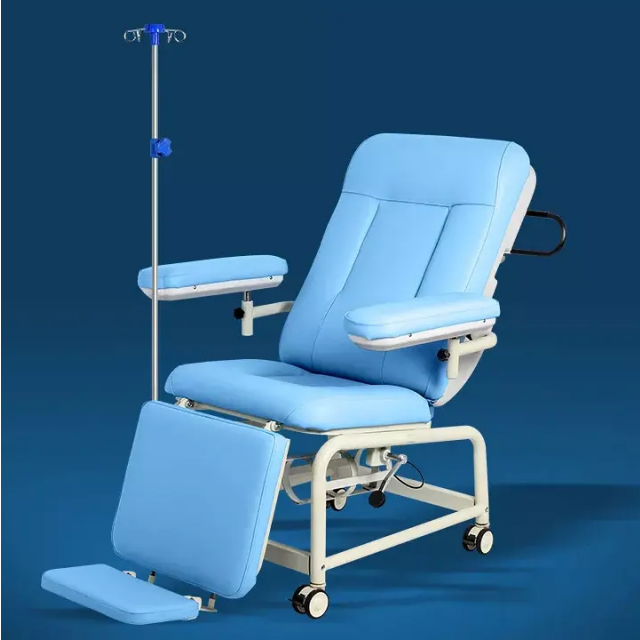
Visitor Recliners and Chairs
Ergonomic support for extended sitting
Fluid-resistant upholstery
Locking casters for safety
Weight capacity: 350-500 lbs
Price range: $1,200-$3,500
Overbed Tables
Height adjustable (26-45 inches)
Tilt-top surfaces for ergonomic positioning
Non-skid surfaces
Price range: $500-$1,500
| Furniture Type | Primary Use | Key Features | Durability | Cost Range | Compliance |
Fully Electric Hospital Bed | Patient care | Height/position adjustable, CPR button, side rails | 7-10 years | $3,500-$8,000 | NFPA, UL, ADA |
Bariatric Hospital Bed | Heavier patients | Reinforced frame, wider, higher weight capacity | 8-10 years | $5,000-$10,000+ | NFPA, UL, BIFMA |
Power Exam Table | Medical procedures | Adjustable sections, motorized, storage | 10-12 years | $4,000-$9,000 | BIFMA, ADA, Cal. TB 117 |
Patient Recliner | Long-term seating | Ergonomic, fluid-resistant, locking casters | 5-7 years | $1,200-$3,500 | NFPA, BIFMA |
Overbed Table | Patient support | Height/tilt adjustable, non-slip surface | 7-9 years | $500-$1,500 | ADA, BIFMA |
Bedside Cabinet | Storage/access | Durable hinges, non-porous finish | 8-10 years | $300-$800 | BIFMA, Infection Control |
Workstation/Desk | Staff use | Ergonomic height, sanitizable surfaces | 10-12 years | $800-$2,500 | ADA, BIFMA |
Non-Porous Upholstery: Fabric rated to withstand 500+ cleaning cycles without degradation
Seams and Crevices: Minimal gaps to prevent fluid accumulation and bacterial harboring
Cleanable Hardware: Stainless steel or powder-coated components resist corrosion from disinfectants
Certification: Verified compliance with HEALTHCARE common disinfectants (bleach 1:10, quaternary ammonium, alcohol-based solutions)
Fabric Standards: California TB 116 and TB 117 for upholstered seating
Inherent Flame Resistance: Trevira CS or equivalent permanent flame-resistant fibers
NFPA 101 Compliance: Comprehensive fire safety code adherence for healthcare facilities
Enhanced Protection: Critical in patient areas where rapid evacuation may be difficult
ADA Compliance: 15-19 inch seat heights, armrests at 7-9 inches above seat
Adjustability: Power-assisted furniture reduces caregiver strain and injury risk
Patient Mobility: Lower heights (12-18 inches) reduce fall risk
Staff Efficiency: Motorized adjustments save 20-30 seconds per patient transfer
Healthcare-Associated Infections (HAIs): Cost healthcare system $28-45 billion annually
Prevention Through Furniture: Proper medical-grade furniture reduces HAI transmission
Cost Per Infection: $35,000-$150,000 per HAI incident
ROI: Quality furniture investment typically pays for itself within 2-3 years through infection prevention
Standard Commercial Furniture: 3-5 year replacement cycle
Medical-Grade Furniture: 7-12 year lifespan
Total Cost of Ownership: Medical-grade is 30-40% cheaper over 10-year period
Downtime Reduction: Durable furniture reduces equipment replacement delays
Back Injury Prevention: Ergonomic furniture reduces staff injuries by 25-35%
Retention Benefits: Better working conditions improve staff satisfaction and reduce turnover
Workers' Compensation: Lower injury rates reduce insurance costs
Productivity: Reduced sick days and injuries enhance operational efficiency

Facility Type: Hospital (acute, ICU, long-term care), clinic, urgent care, specialty clinic
Patient Population: Average weight, mobility levels, demographics
Infection Control Needs: Standard precautions vs. isolation room requirements
Budget Constraints: Capital expenditure limits and replacement cycle timelines
ANSI/BIFMA Certification: Confirm load capacity matches patient population
Fire Safety Documentation: Verify Cal. TB 116/117 and NFPA 101 compliance
Antimicrobial Testing: Request documentation of antimicrobial efficacy testing
Cleaning Cycle Documentation: Verify furniture withstands required disinfection protocols
Durability Timeline: Compare 10-year total cost vs. initial purchase price
Maintenance Requirements: Factor in cleaning, repair, and replacement costs
Warranty Coverage: Extended warranties provide peace of mind and cost protection
Service and Support: Verify vendor provides responsive technical support
Industry Experience: Look for vendors specializing exclusively in healthcare furniture
Regulatory Knowledge: Ensure vendor understands evolving compliance requirements
Installation and Training: Confirm vendor provides proper setup and staff training
Long-Term Support: Establish relationship for future upgrades and replacements
Misconception 1: "Medical-grade furniture is just regular furniture marked up in price."
Reality: Medical-grade undergoes rigorous testing (antimicrobial efficacy, fire safety, load capacity, cleaning cycle durability) that regular furniture never faces. These certifications have real costs justified by safety and compliance value.
Misconception 2: "All healthcare furniture meets the same standards."
Reality: Significant variation exists in compliance levels. Some "healthcare furniture" may meet only basic standards while true medical-grade furniture passes comprehensive testing across multiple compliance frameworks.
Misconception 3: "Medical-grade furniture is uncomfortable and institutional-looking."
Reality: Modern medical-grade furniture combines safety and compliance with contemporary design, comfort features, and aesthetic appeal. Patient satisfaction is recognized as essential to healing environments.
Misconception 4: "Infection control features decrease furniture lifespan."
Reality: Antimicrobial and fluid-resistant treatments are engineered to enhance durability and withstand cleaning. Medical-grade furniture often lasts 7-12 years vs. 3-5 years for standard furniture.
Misconception 5: "Medical-grade furniture is only for large hospitals."
Reality: Clinics, urgent care facilities, specialist practices, and small healthcare organizations benefit equally from medical-grade furniture. Scaled solutions accommodate facilities of any size.
Q1: What is the most important medical-grade furniture standard I should know about?
A: ANSI/BIFMA is foundational for structural integrity and load capacity testing. However, compliance should be comprehensive across NFPA 101 (fire safety), infection control standards, and ADA requirements depending on your specific facility type and patient population.
Q2: How often should medical-grade furniture be replaced?
A: High-quality medical-grade furniture typically lasts 7-12 years with proper maintenance. Replacement timelines depend on usage intensity, cleaning frequency, and wear patterns. Regular assessment helps identify pieces needing replacement before failure.
Q3: Can I mix medical-grade and standard commercial furniture?
A: This is not recommended for direct patient contact areas. Patient-adjacent furniture (visitor seating, overbed tables, bedside cabinets) should all meet medical-grade standards to ensure consistency in infection control and safety protocols.
Q4: What makes antimicrobial upholstery different from regular upholstery?
A: Antimicrobial upholstery incorporates silver ions, copper compounds, or other antimicrobial agents that actively inhibit bacterial, fungal, and mold growth. Regular upholstery provides no antimicrobial properties and cannot be easily cleaned to hospital standards.
Q5: Are medical-grade furniture prices standardized across vendors?
A: No. Prices vary significantly based on manufacturer reputation, customization options, warranty coverage, and service levels. Requesting quotes from multiple vendors and comparing total cost of ownership (not just purchase price) is essential for budget optimization.
Q6: How do I verify that furniture truly meets compliance standards?
A: Request copies of certification documentation including test reports, compliance certificates, and cleaning cycle validation data from manufacturers. Established medical furniture vendors provide readily available documentation upon request.
Q7: What is the difference between "medical-grade" and "healthcare-grade" furniture?
A: These terms are often used interchangeably, but "medical-grade" typically implies full compliance with rigorous healthcare standards, while "healthcare-grade" may indicate partial compliance. Always verify specific certifications regardless of terminology used.
Q8: Can medical-grade furniture be customized to match facility aesthetics?
A: Yes. Most reputable medical furniture manufacturers offer color customization, upholstery options, and design modifications while maintaining compliance standards. Work with vendors to ensure customization doesn't compromise required specifications.
Q9: What training do staff need for medical-grade furniture?
A: Staff should receive training on proper operation (especially motorized equipment), maintenance and cleaning protocols, safety features, and emergency functions. Quality vendors provide comprehensive staff training during installation.
Q10: Is medical-grade furniture more sustainable than standard furniture?
A: Yes. Longer lifespan (7-12 years vs. 3-5 years) means fewer replacements and reduced waste. Additionally, many medical-grade manufacturers now offer GREENGUARD certification ensuring low VOC emissions and environmental responsibility.
Medical-grade furniture represents far more than a luxury upgrade for healthcare facilities—it is a fundamental component of patient safety, infection control, and operational efficiency. The investment in compliant, durable, ergonomic medical-grade furniture pays dividends through reduced infection rates, lower workers' compensation costs, improved staff satisfaction, and enhanced patient outcomes.
Healthcare facilities choosing medical-grade furniture demonstrate commitment to excellence in patient care. The decision should be driven by specific compliance requirements, patient population needs, and long-term cost optimization rather than initial purchase price alone.
Partner with experienced medical furniture vendors, verify comprehensive compliance documentation, and prioritize durability and infection control features. Your patients, staff, and operational budget will benefit from this essential investment in healthcare facility excellence.