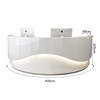
| Size: | |
|---|---|
| Color: | |
| Material: | |
| Weight Capacity: | |
| Availability: | |
| Quantity: | |

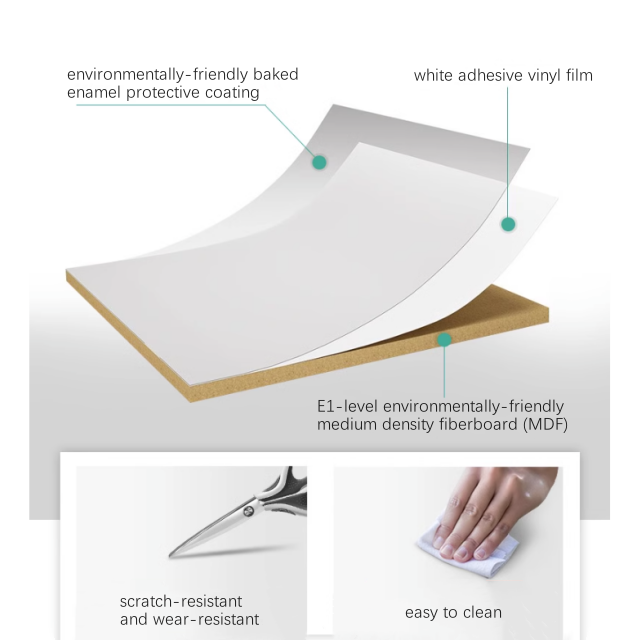
We use E1-level environmentally-friendly medium density fiberboard (MDF) in our round dental reception desk manufacturing.
This material is strong, durable, and contains very low levels of formaldehyde, making it safe for use in homes and offices.
It is also highly versatile and can be customized to meet our clients' specific design and functional requirements.

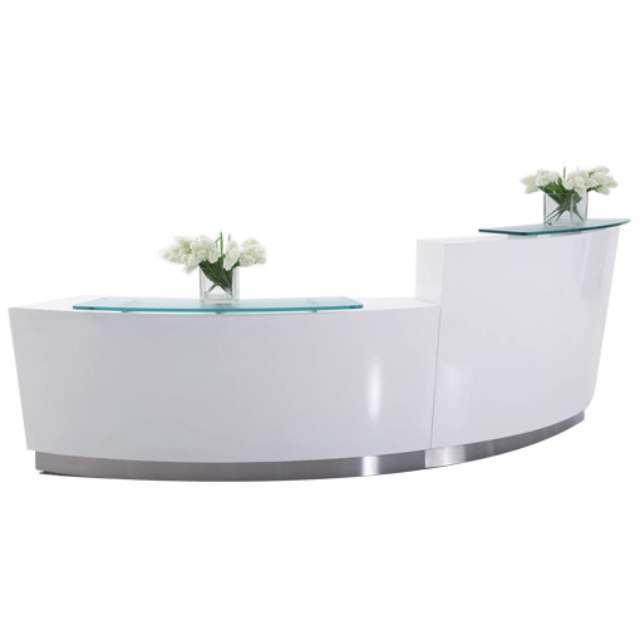
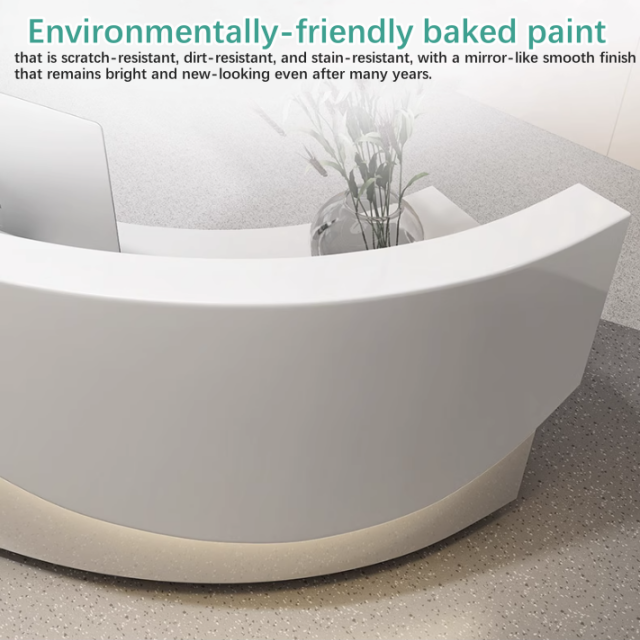
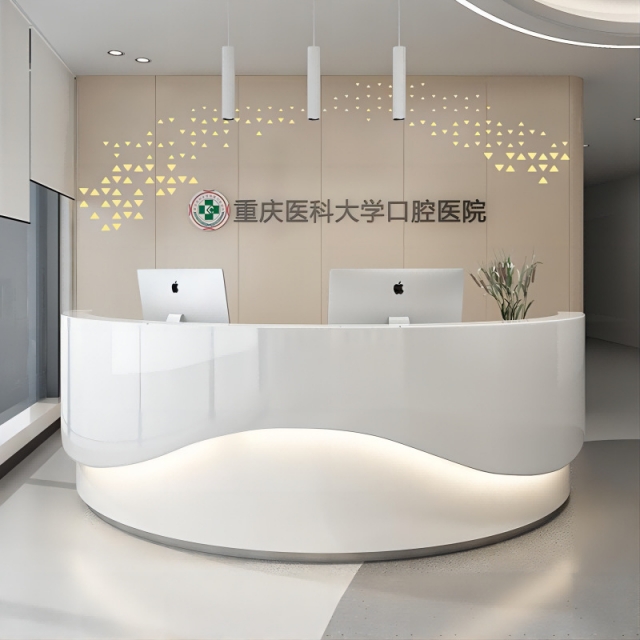
Our reception desk feature an environmentally-friendly baked paint that is highly durable, scratch-resistant, dirt-resistant, and stain-resistant, providing a mirror-like smooth finish that looks new and bright even after years of use.

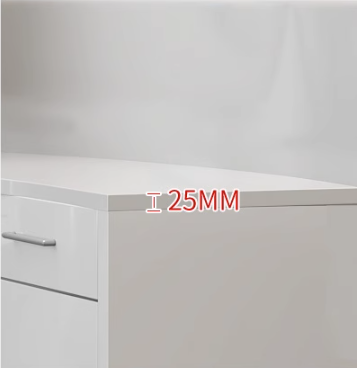
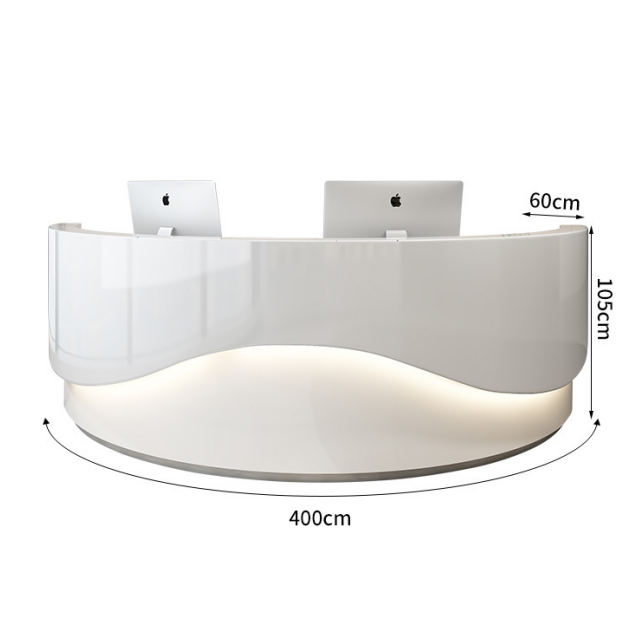
Our dental reception desk are constructed using a 25MM thickness plate, which provides a strong and durable surface for daily use.
This thickness is ideal for withstanding the weight and pressure of computer equipment, paperwork, and other office supplies, while also providing a stable work surface for worker.
The thickness of the plate also provides additional sound insulation, helping to reduce noise and distractions in the work environment.
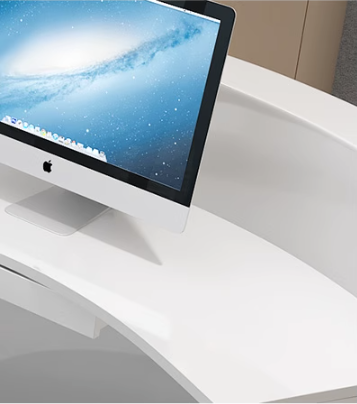
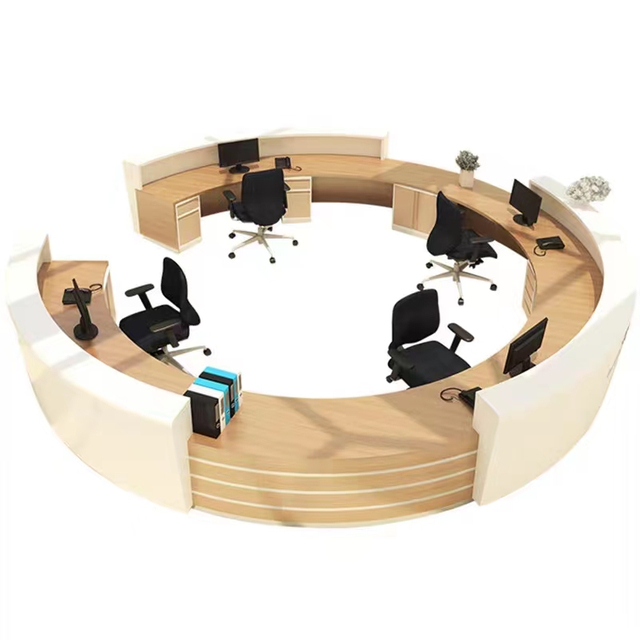
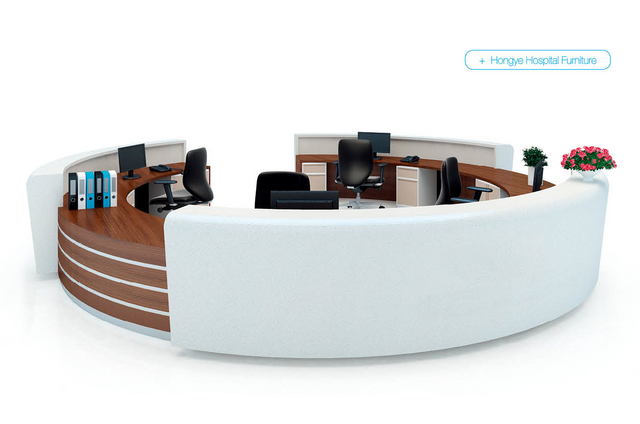
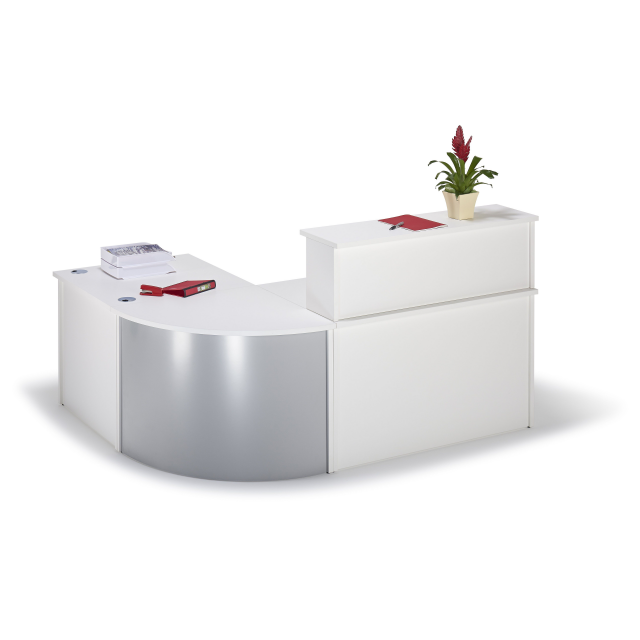
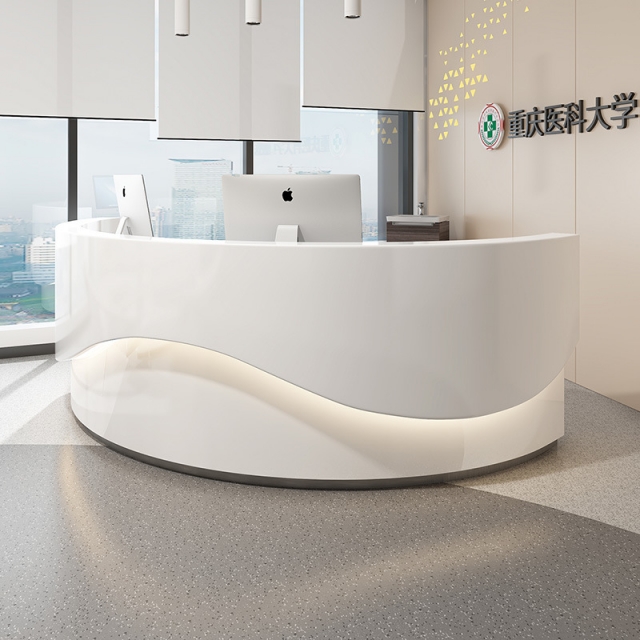
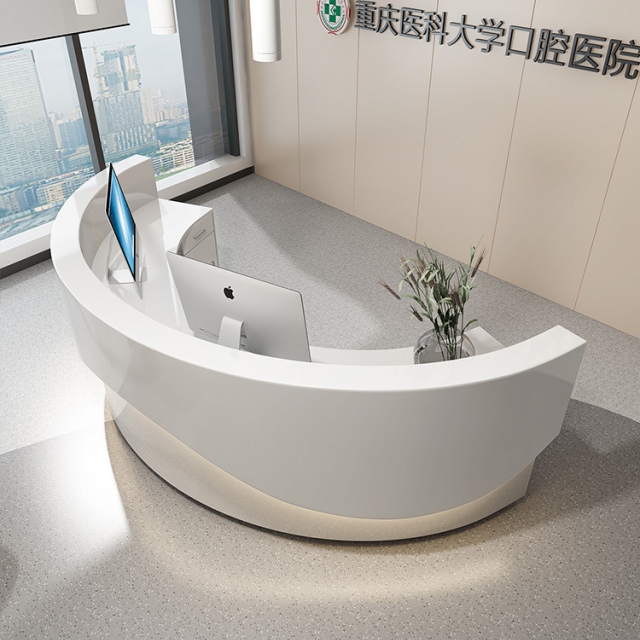
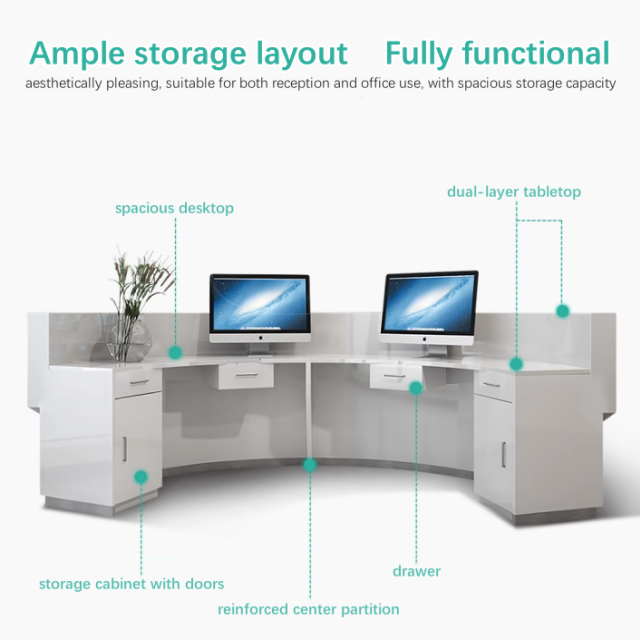
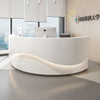
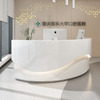
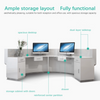
This desk features a spacious desktop and a double-layer design.
The spacious desktop provides ample space for placing computers, files, and other office supplies while leaving enough room for writing and other work.
The double-layer design provides additional storage and organization space, allowing users to easily store folders, books, and other office supplies for quick access.
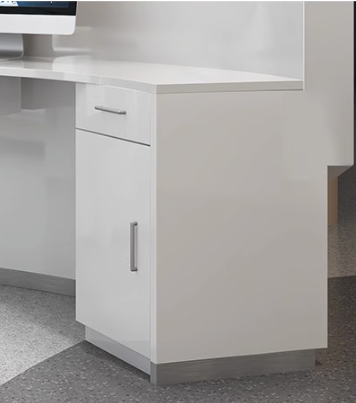
This desk is equipped with a storage cabinet underneath, providing a practical and efficient storage solution.
The cabinet is scientifically designed to maximize the use of space and offer ample storage for office supplies, documents, and other items.
This storage solution is easily accessible and helps to keep the desk surface free from clutter, promoting a more organized and functional workspace.
The storage cabinet can be customized to meet the specific needs and preferences of the user, making it even more practical and user-friendly.
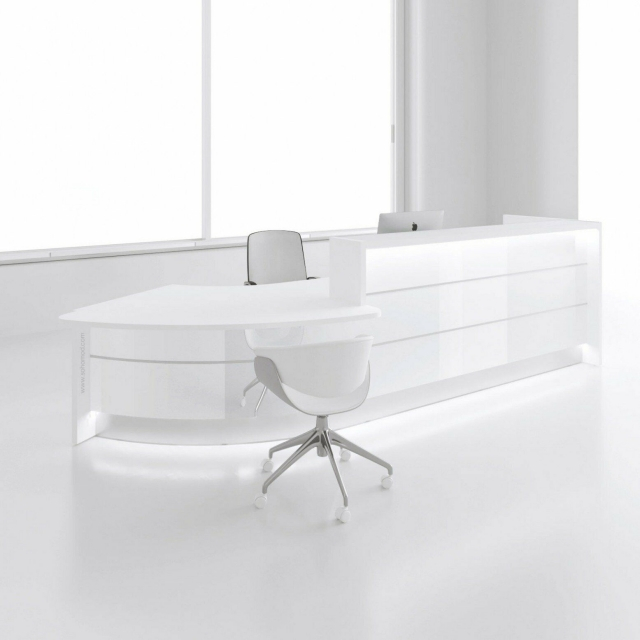
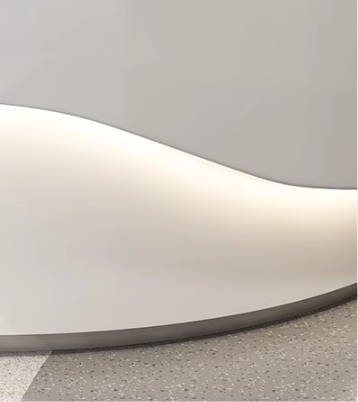
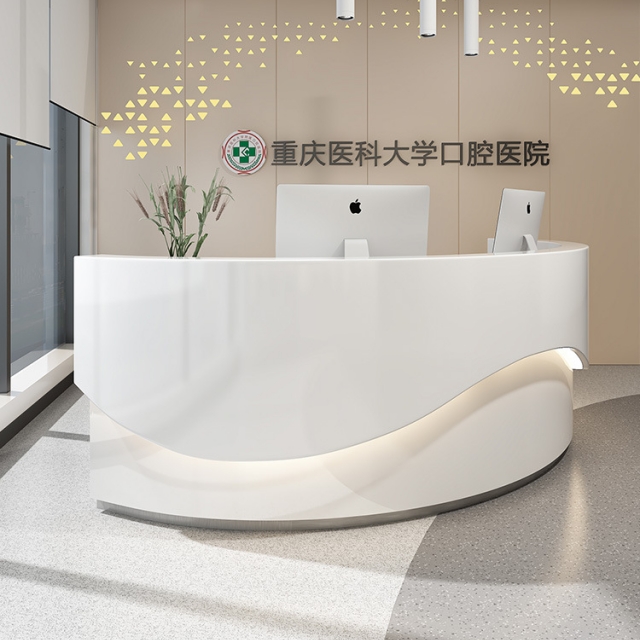
The LED light strip illuminates the surrounding area, creating a subtle and inviting ambiance.
This feature is fully adjustable and can be customized to suit the user's preferences, allowing for optimal lighting to enhance the overall aesthetic appeal of the space.
The LED light strip adds a modern and sophisticated touch to the desk, enhancing its overall design and making it an attractive addition to any space.
What materials are best for healthcare waiting room furniture? Healthcare waiting room seating should be selected for cleanability, chemical compatibility, durability, comfort, accessibility, and maintenance. Molded polymer, healthcare-grade vinyl or polyurethane, and selected performance textiles c
What is ligature-resistant furniture? Ligature-resistant furniture is designed to reduce opportunities for cords, sheets, clothing, ropes, or similar materials to create a sustainable attachment point that could contribute to self-harm. It is one component of a broader behavioral health safety strat
How big should a dental operatory be, and what furniture does it need? FGI's 2022 dental-facility update removed the previous 80-square-foot minimum operatory floor area while retaining 2 feet 8 inches of clearance on all sides of the dental chair. Many general-dentistry practices plan around a 10 ×
What furniture is needed in an outpatient exam room? A typical outpatient exam room includes an exam table, clinician stool, patient or visitor seating, work surface or workstation, secure storage, handwashing access, medical-supply support, and appropriate lighting or technology supports. The final
What is behavioral health furniture? Behavioral health furniture is designed for psychiatric hospitals, behavioral health units, substance-use treatment facilities, crisis-stabilization centers, and other patient-care environments where safety risks may differ from those in general healthcare spaces
What is HIPAA-conscious reception design? HIPAA-conscious reception design uses reception layout, workstation orientation, visual screening, secure document storage, seating placement, and acoustic strategies to reduce the risk that patients or visitors can see or overhear protected health informati