| Size: | |
|---|---|
| Color: | |
| Material: | |
| Weight Capacity: | |
| Availability: | |
| Quantity: | |

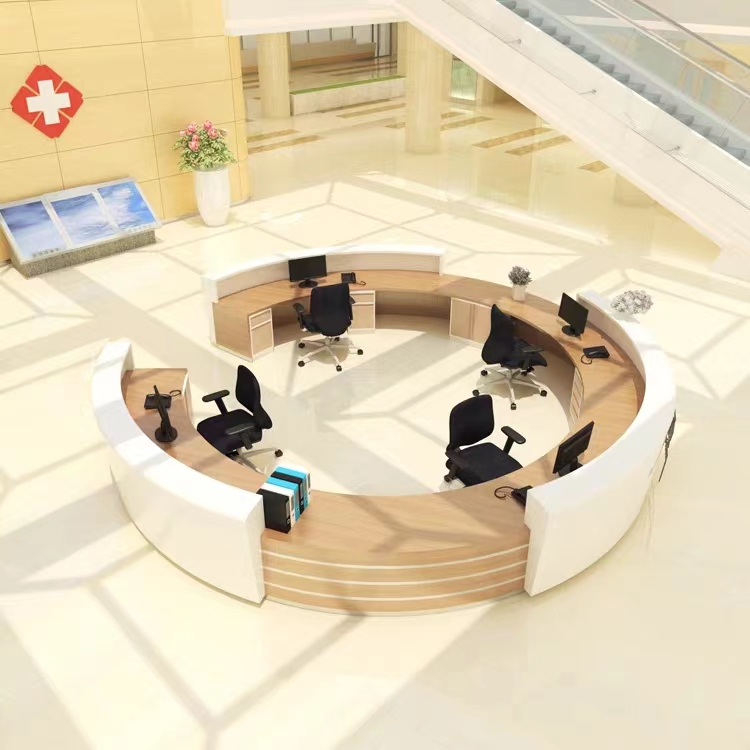
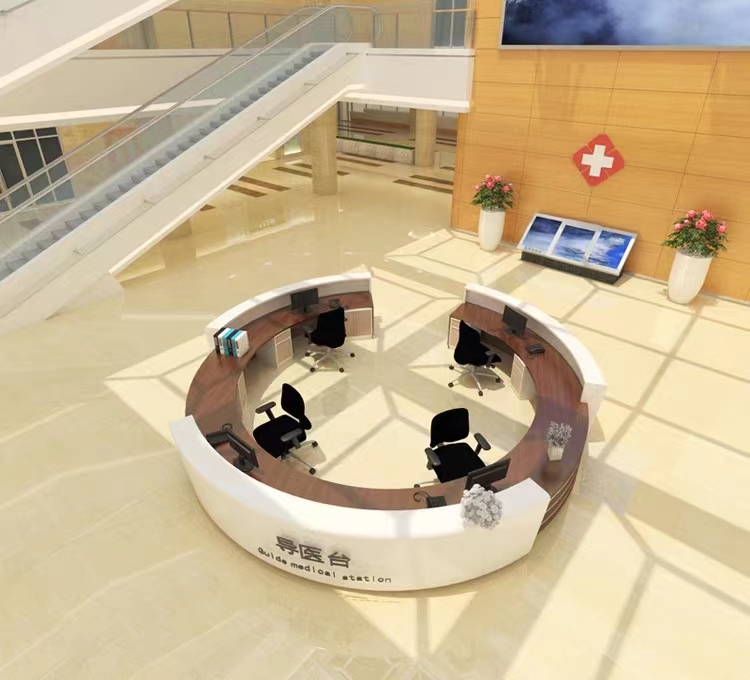
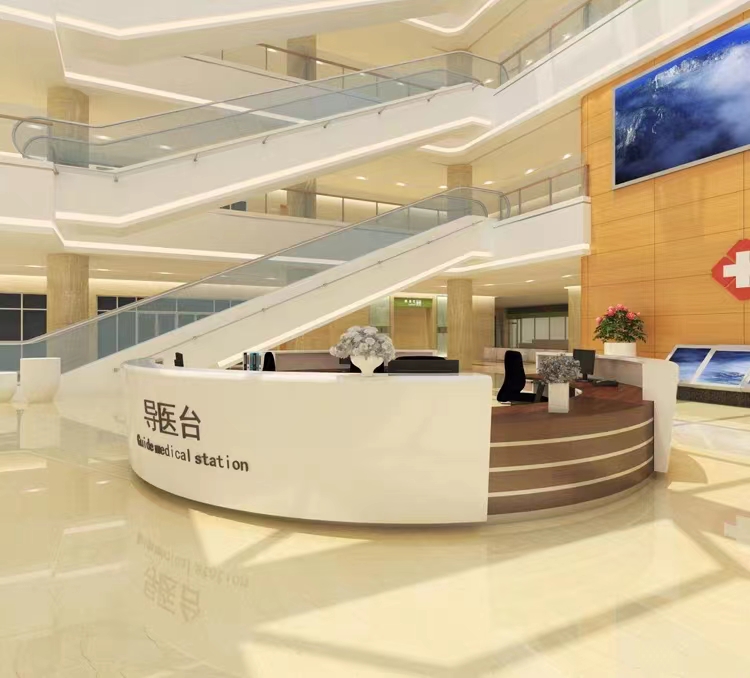
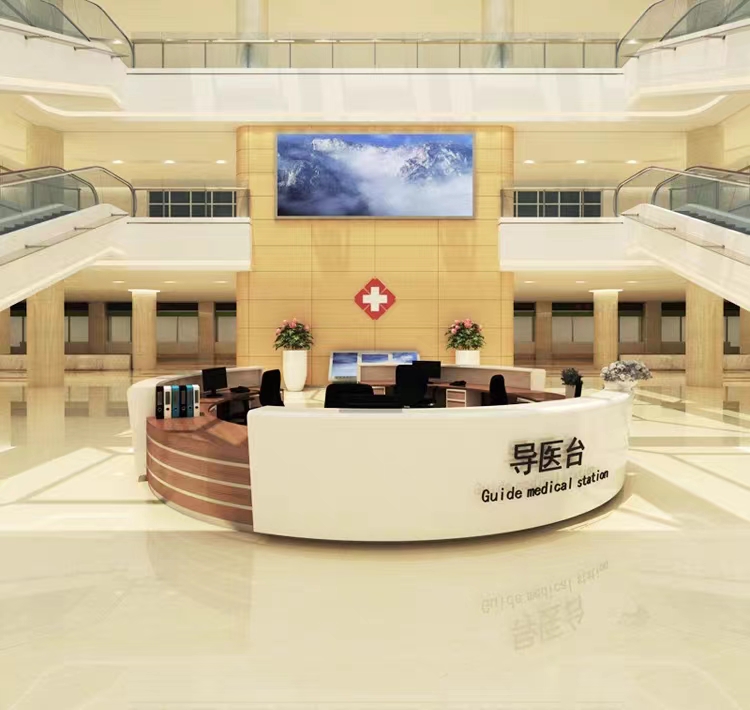
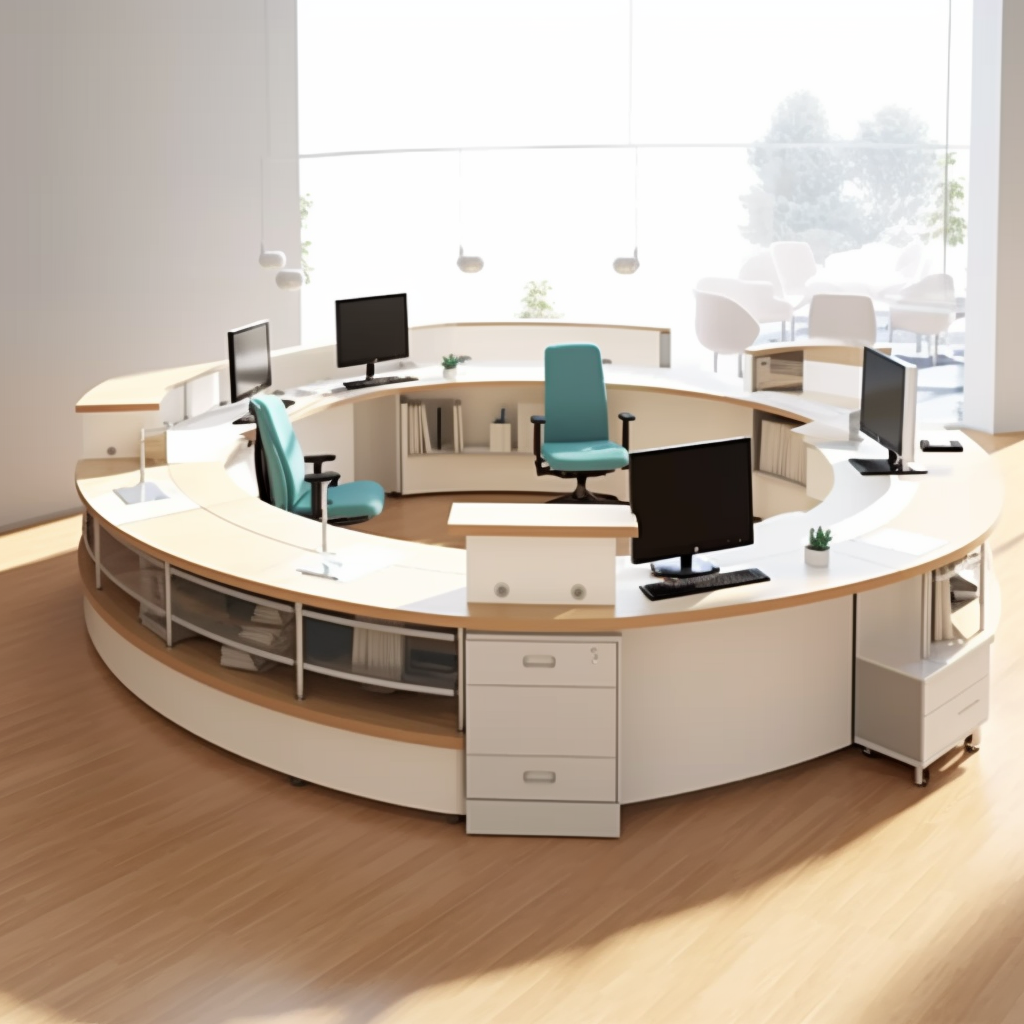
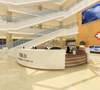
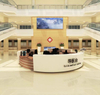
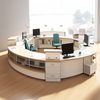
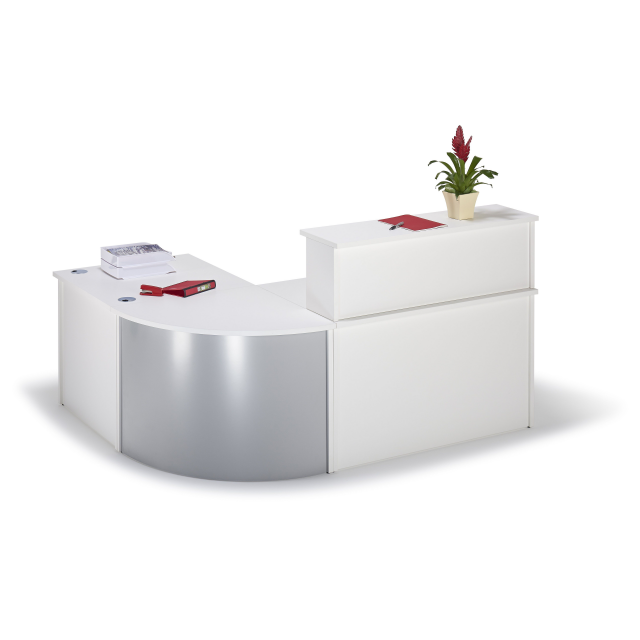
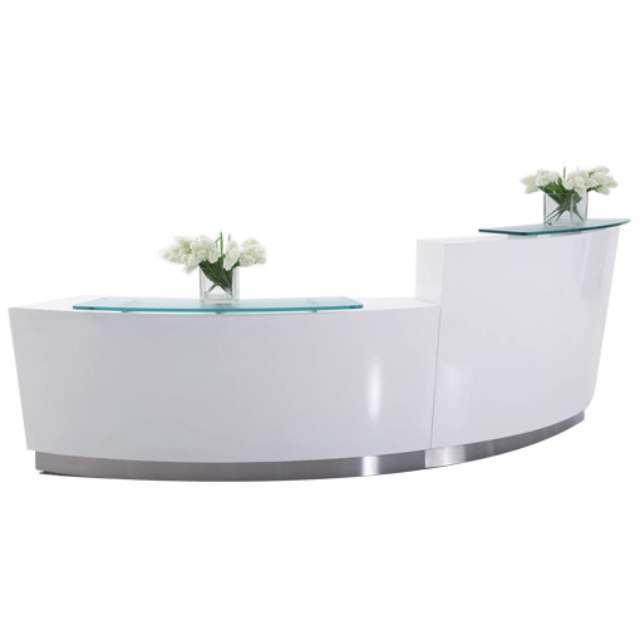
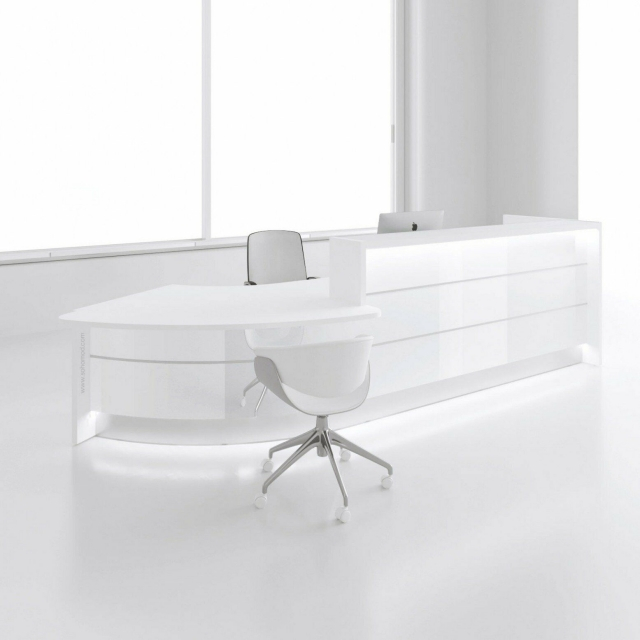
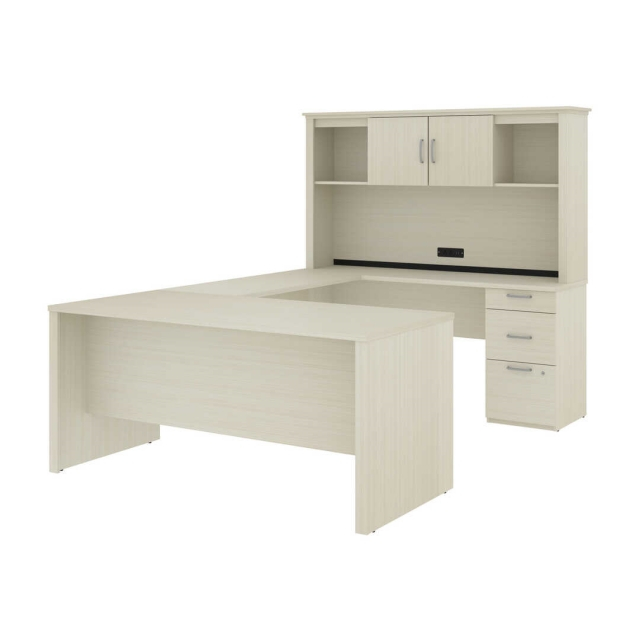
The Wooden U-Shaped Half Circle Reception Desk is designed with a variety of surface treatments to suit your preferences.
The surface effect, which refers to the texture and appearance of the final surface treatment, can be achieved through methods such as veneering, powder coating, painting, and wire drawing.
In addition to surface effect, coating is also an important consideration, with environmentally-friendly PU coating, 2 PAC coating, and 3 coatings available.
The high gloss lacquer finish of the desk is achieved through six bottom lacquers, sanding, staining, and three top lacquers, resulting in a durable and visually appealing finish.
With these options available, you can customize your desk to suit your specific needs and preferences.
The wood front desk combines durability, strength, and style.
Medium-density fiberboard (MDF) is the primary material, known for its stability and resistance to warping.
Other materials used include solid wood for the legs, acrylic for the curved panels, and iron and stainless steel for hardware and accents.
The combination of these materials creates a functional and attractive desk suitable for any reception area.

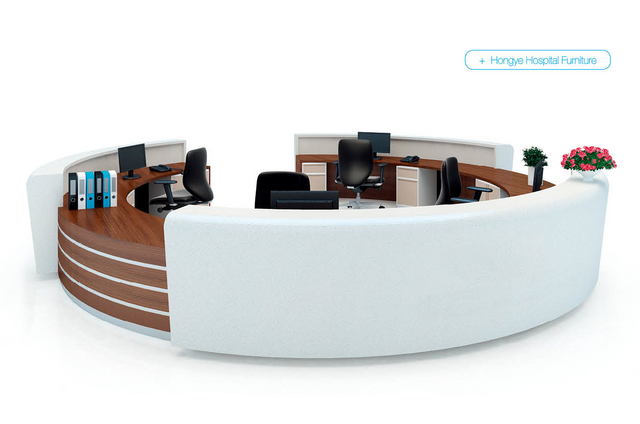
Upgrade your workspace with the circular reception desk - designed for optimal humanized design and functionality.
The desk features a large storage space, providing ample room for essentials and keeping your workspace organized.
With a spacious 60cm wide mesa, you can work comfortably and efficiently without feeling cramped.
Perfect for anyone seeking to enhance their workspace, the ergonomic reception desk is the ultimate choice.

Designing furniture for healthcare environments is fundamentally different from designing for hospitality or residential use. The users are more vulnerable, the operational demands are more intense, and the consequences of poor design choices extend far beyond aesthetics. A chair that looks appropri
A patient's experience of anxiety begins before anyone takes their vitals; the furniture in a hospital room—chairs, side tables, visitor seating—sets an emotional baseline that shapes everything that follows. Evidence from healthcare design research shows that early anxiety scores measured within mi
The 2026 FIFA World Cup will host 48 matches across 16 stadiums in the United States, Mexico, and Canada, with cumulative attendance projected at around 5.4 million spectators. Behind every match, each stadium must operate a fully equipped medical infrastructure capable of handling everything from m
Strange medical furniture innovations follow a completely different rulebook than any other furniture category. A chair in a hospital is not just a place to sit—it might need to resist bacteria colonization, support 200–500 kg patients, prevent self‑harm, or integrate with dialysis machines and ceil
Rehabilitation center furniture design requires a fundamentally different approach than general medical office or acute care hospital furniture. Rehabilitation center furniture must serve patients across the full mobility continuum—from bed rest and maximum‑assistance transfers to independent commun
Dialysis center furniture design presents unique challenges that standard healthcare furniture cannot fully address. Patients typically spend three to five hours per session, three times per week, so dialysis center specialized seating and treatment room layout directly affect treatment compliance,