| Size: | |
|---|---|
| Color: | |
| Material: | |
| Weight Capacity: | |
| Availability: | |
| Quantity: | |

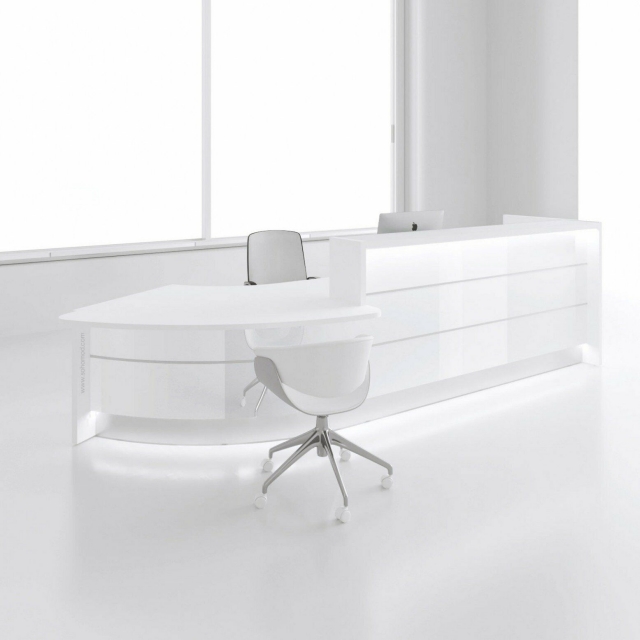
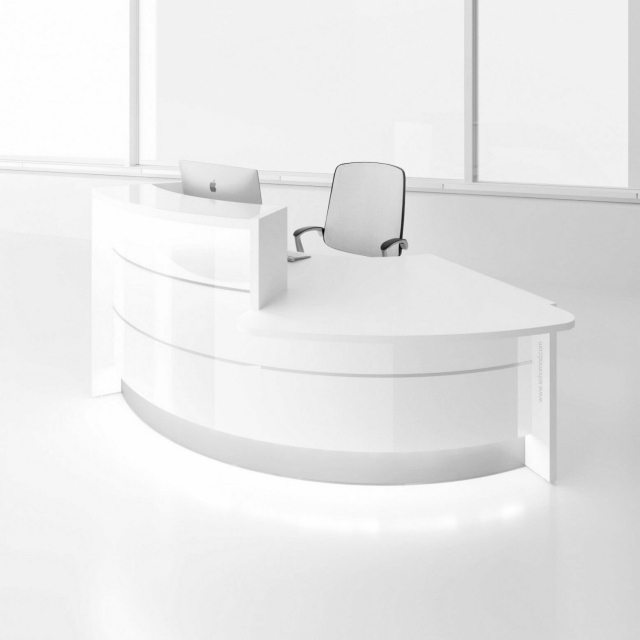
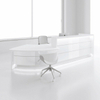
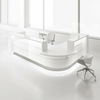
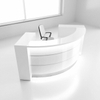
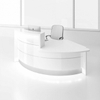
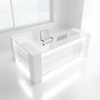
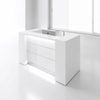
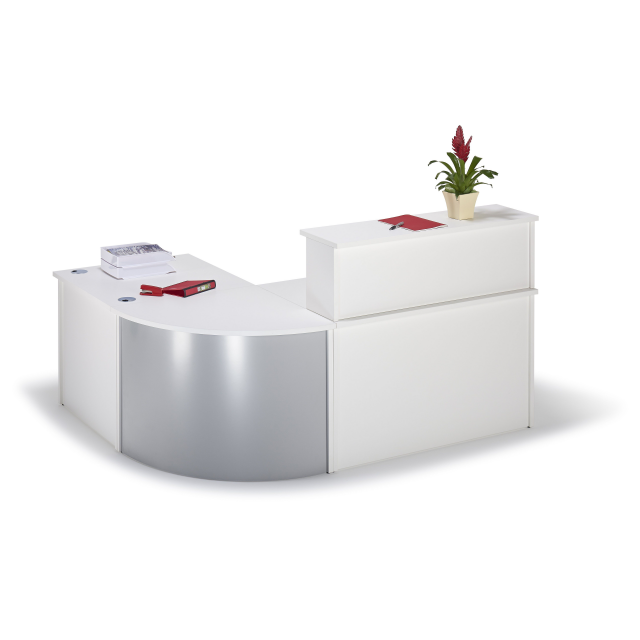
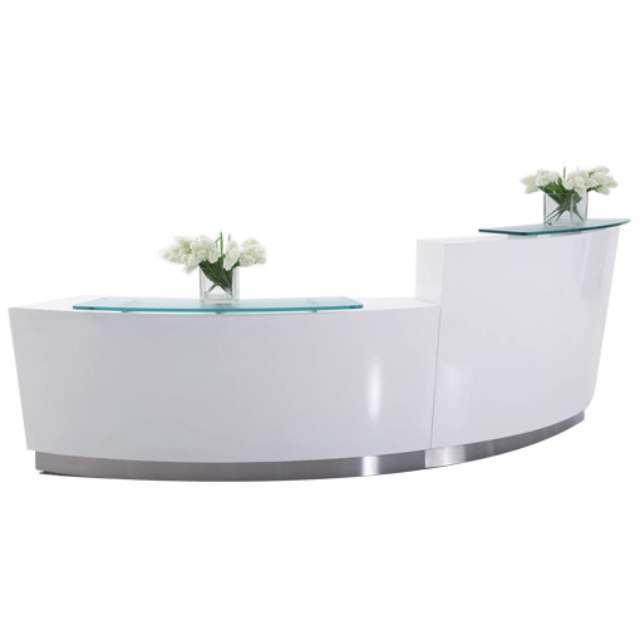
The dental reception desk collection utilizes a combination of the finest materials such as MFC, durable HPL laminate, steel, aluminum, toughened glass, and polyurethane to create durable and visually stunning reception units.
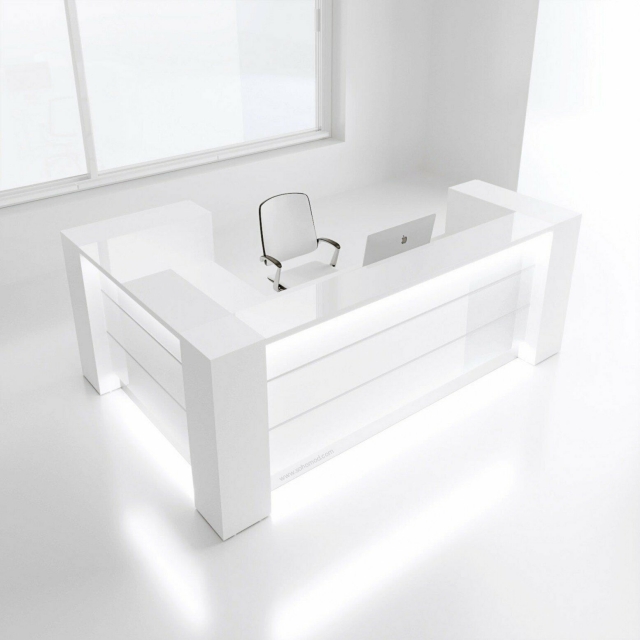
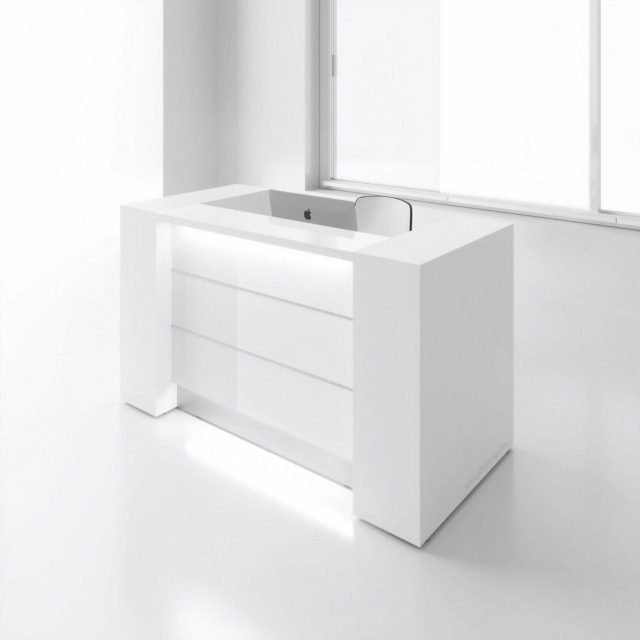
The desk tops are made of tempered white glass, and the frontal part features horizontal aluminum slats that accentuate the modern aesthetic.
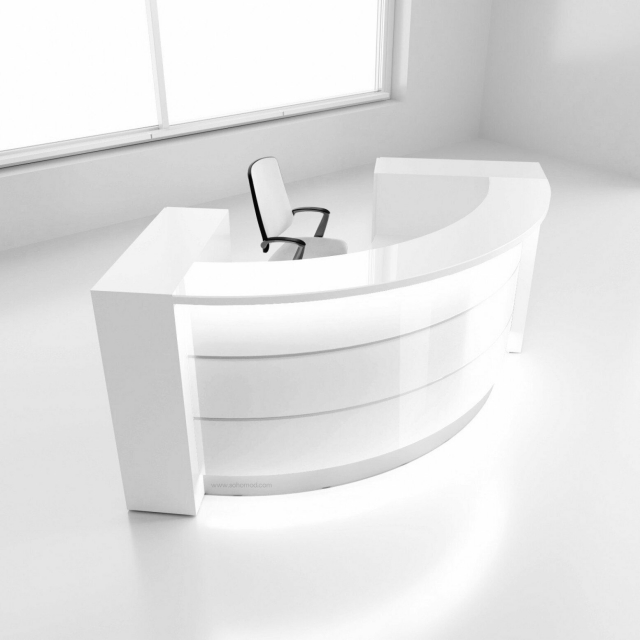
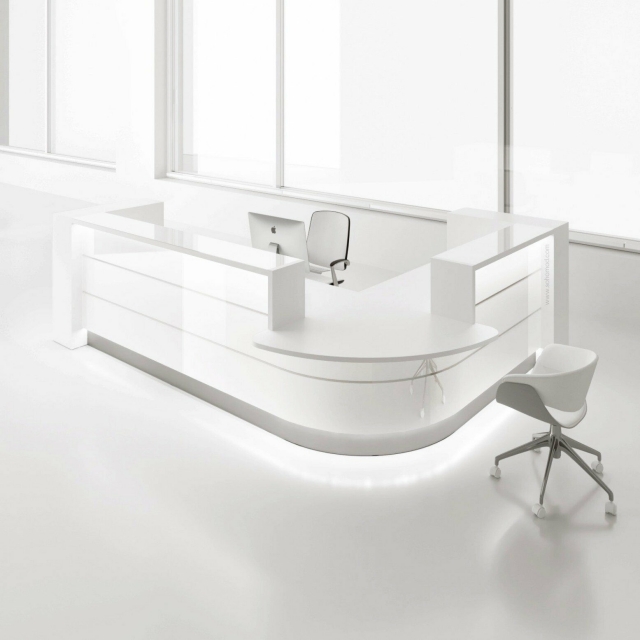
Integrated LED lighting is a central feature of the dental reception desk.
Positioned under the upper desk top and at the base of the counter, the LED lights provide perfect illumination in darker rooms.
The front desk corner reception unit, for example, features cool white LED lighting that creates a relaxed and elegant atmosphere.

The dental reception desk prioritize accessibility and inclusivity with their modular design, catering to the needs of people with disabilities.
The lowered panel allows for comfortable communication for all users, making the dental reception desk range suitable for healthcare facilities and other environments that value clean and sterile aesthetics.

What furniture goes in a hospital patient room? A typical hospital patient room includes a patient bed, bedside cabinet, overbed table, patient seating, visitor seating, personal storage, and selected equipment or technology supports. The exact furniture package varies by acuity, patient population,
What furniture is needed in an emergency department? An emergency department needs furniture for triage, treatment rooms, waiting areas, staff work zones, storage, patient transport, and—where applicable—behavioral health observation. Each area requires furniture selected for patient flow, staff vis
What makes furniture suitable for infection control in healthcare facilities? Infection-control furniture should support routine cleaning and disinfection through smooth, nonporous or fluid-resistant surfaces, sealed or limited joints, accessible geometry, and documented compatibility with the facil
What makes furniture dementia-friendly? Dementia-friendly furniture helps residents remain safer, more comfortable, and more independent by supporting mobility, visual recognition, orientation, and daily routines. The most useful features include stable construction, rounded edges, supportive seatin
What is anti-ligature furniture, and which standards govern behavioral health facilities? Anti-ligature furniture—also referred to as ligature-resistant furniture—is designed to reduce opportunities for a cord, sheet, belt, clothing, or similar material to form a sustainable attachment point that co
Designing furniture for healthcare environments is fundamentally different from designing for hospitality or residential use. The users are more vulnerable, the operational demands are more intense, and the consequences of poor design choices extend far beyond aesthetics. A chair that looks appropri