 |
loading


| Shelf Number : | |
|---|---|
| Material : | |
| Size: | |
| Availability: | |
| Quantity: | |
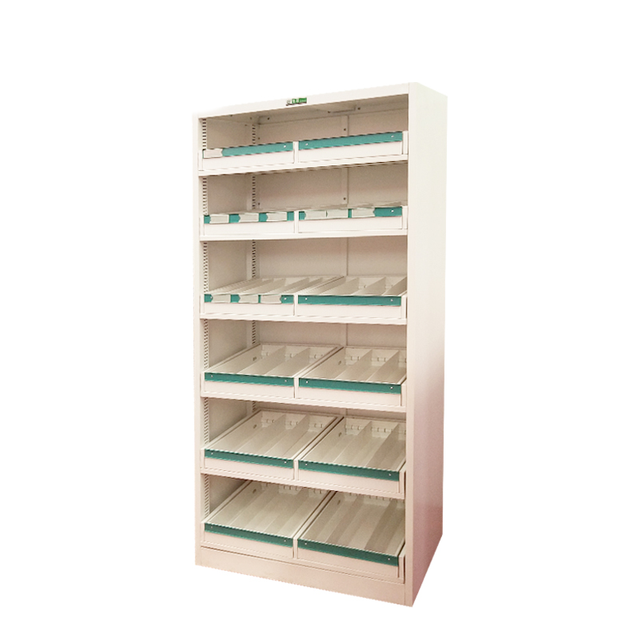
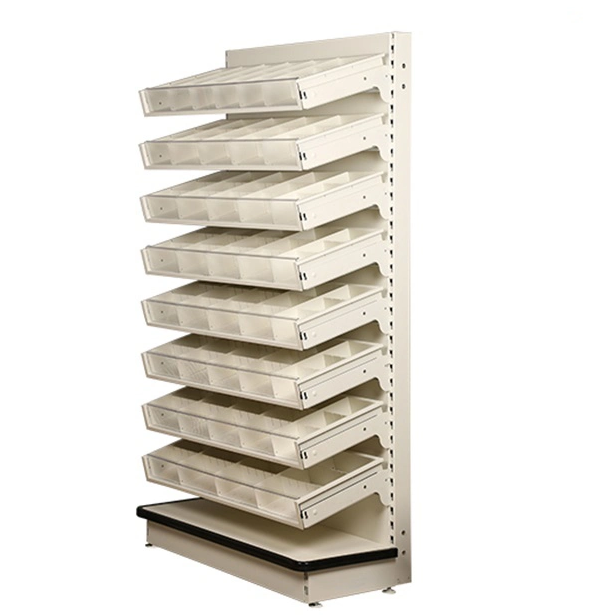
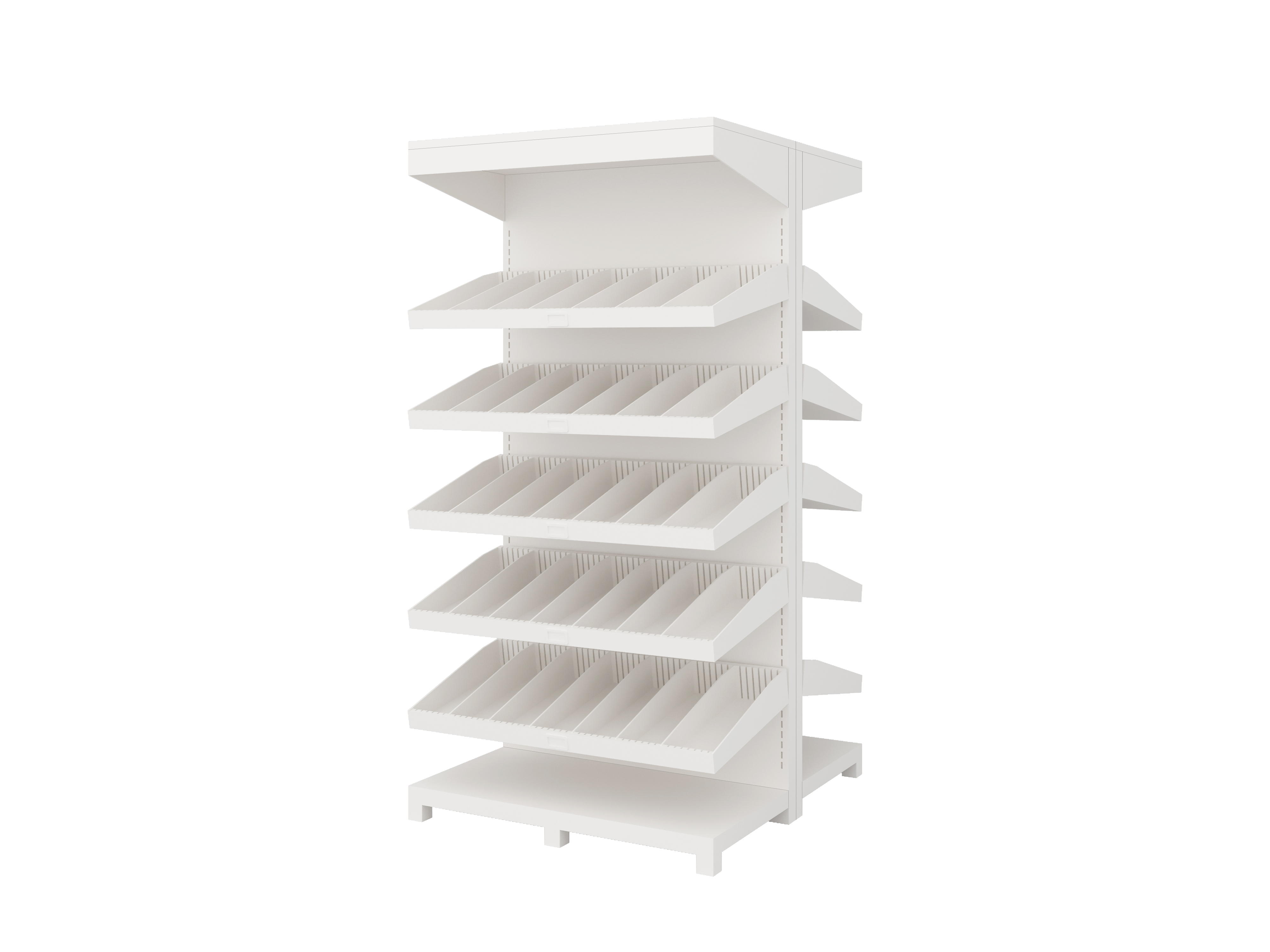
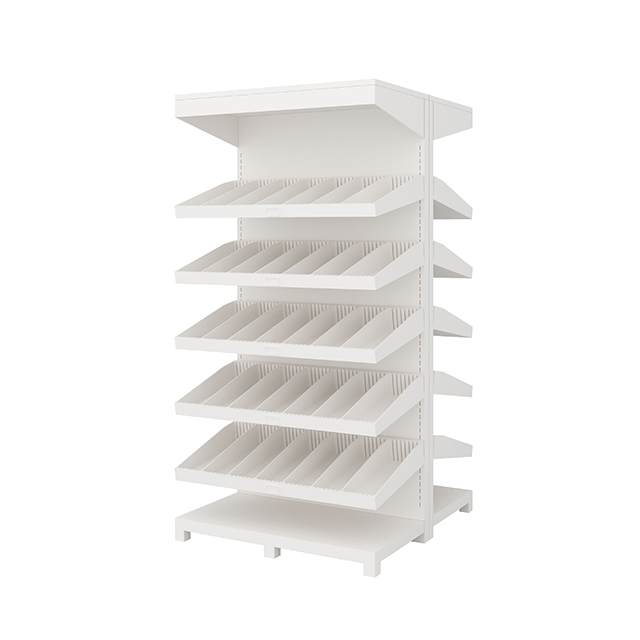
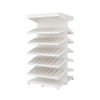
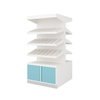
The double-sided design of this Heavy duty pharmacy shelving unit maximizes the use of available space.
With shelving on both sides, you can optimize your facility's storage capacity and display potential.
The slanting sides of this pharmacy display shelf offer enhanced visibility and accessibility to the displayed items.
The slanted design allows for better visibility of products, making it easier for customers and staff to locate and retrieve items quickly.
This feature is especially advantageous in a pharmacy or medicine store setting where efficient access to medications and products is crucial.
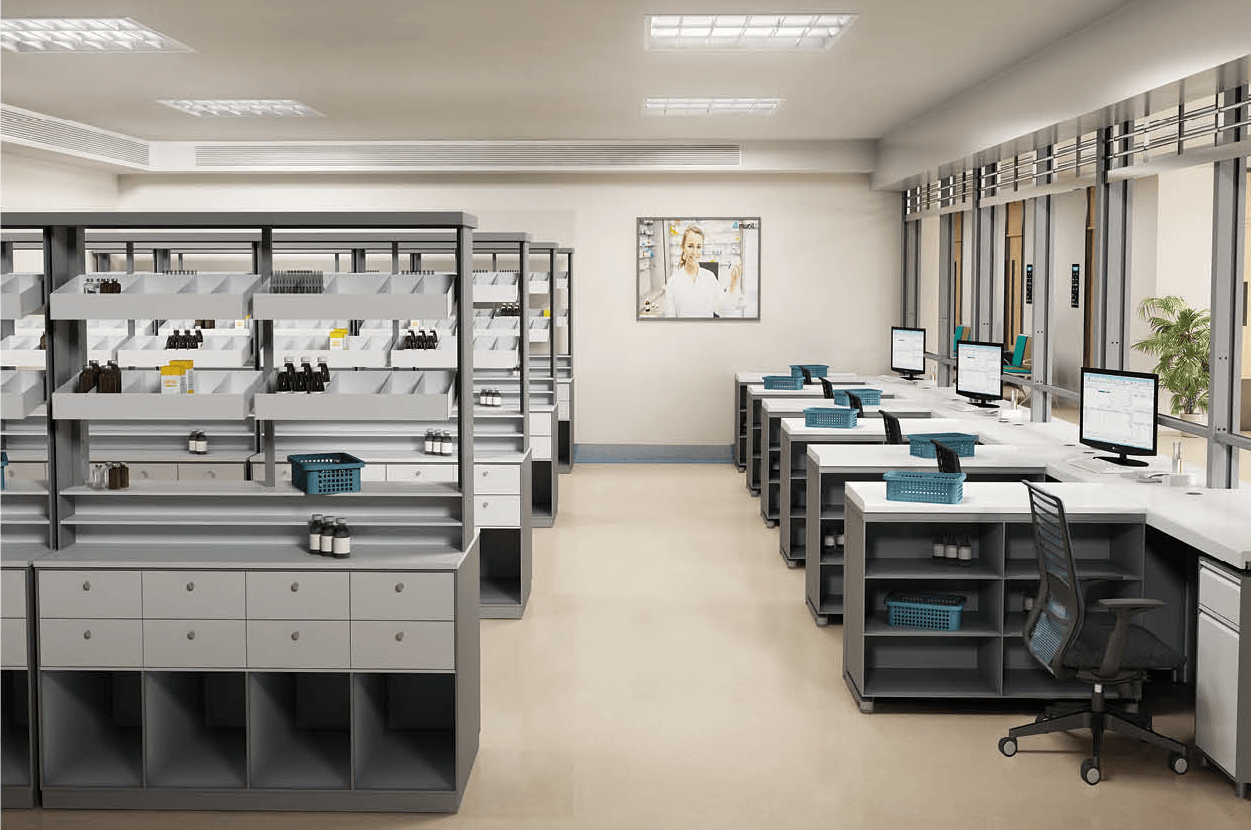
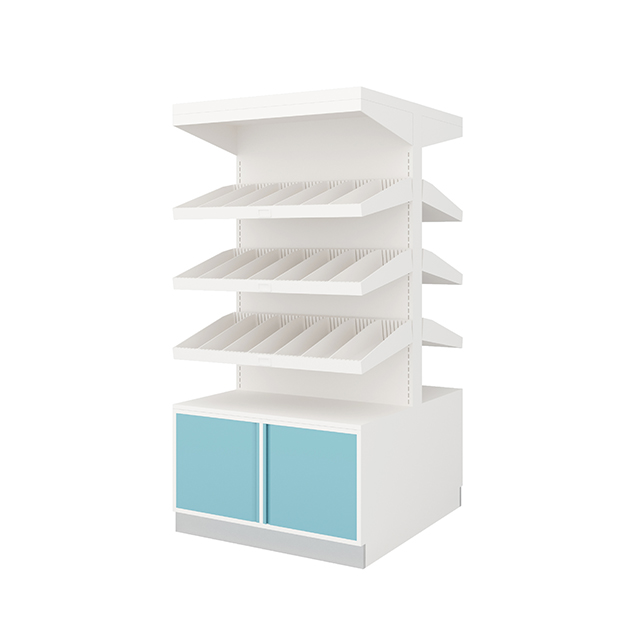
The pharmacy storage shelving Unit can be seamlessly combined with counters to create a comprehensive and efficient working station.
By integrating the shelving unit with a counter, you can have a dedicated space for both storage and a counter surface for various pharmacy tasks.
The storage shelves provide ample space to organize medications, supplies, and equipment, while the counter surface offers a convenient area for prescription processing, patient consultations, and other essential tasks.

Cuboc allows you to tailor it to your specific needs.
To match your facility's decor or branding, you can choose from various color options, including Antique White, White, Grey, and Black.
Customization is also available for additional shelving, specific sizes, and other requirements.
With this level of customization, you can create a storage solution that perfectly fits your space and enhances the functionality and aesthetics of your facility. your unique needs effectively.

What materials are best for healthcare waiting room furniture? Healthcare waiting room seating should be selected for cleanability, chemical compatibility, durability, comfort, accessibility, and maintenance. Molded polymer, healthcare-grade vinyl or polyurethane, and selected performance textiles c

What is ligature-resistant furniture? Ligature-resistant furniture is designed to reduce opportunities for cords, sheets, clothing, ropes, or similar materials to create a sustainable attachment point that could contribute to self-harm. It is one component of a broader behavioral health safety strat

How big should a dental operatory be, and what furniture does it need? FGI's 2022 dental-facility update removed the previous 80-square-foot minimum operatory floor area while retaining 2 feet 8 inches of clearance on all sides of the dental chair. Many general-dentistry practices plan around a 10 ×

What furniture is needed in an outpatient exam room? A typical outpatient exam room includes an exam table, clinician stool, patient or visitor seating, work surface or workstation, secure storage, handwashing access, medical-supply support, and appropriate lighting or technology supports. The final
What is behavioral health furniture? Behavioral health furniture is designed for psychiatric hospitals, behavioral health units, substance-use treatment facilities, crisis-stabilization centers, and other patient-care environments where safety risks may differ from those in general healthcare spaces

What is HIPAA-conscious reception design? HIPAA-conscious reception design uses reception layout, workstation orientation, visual screening, secure document storage, seating placement, and acoustic strategies to reduce the risk that patients or visitors can see or overhear protected health informati