Views: 0 Author: Site Editor Publish Time: 2026-07-07 Origin: Site


Dialysis center furniture design presents unique challenges that standard healthcare furniture cannot fully address. Patients typically spend three to five hours per session, three times per week, so dialysis center specialized seating and treatment room layout directly affect treatment compliance, patient comfort, and satisfaction. When facility managers treat dialysis center furniture as generic hospital furniture, they risk long‑duration discomfort, workflow inefficiencies, and infection‑control gaps.

For administrators planning new dialysis centers or upgrading existing ones, dialysis center furniture selection must balance patient comfort, clinical functionality, infection control, and regulatory compliance. In this guide, you will learn how to specify dialysis treatment chairs for long‑duration comfort and vascular access, how to design dialysis treatment room layouts that support staff workflow and privacy, how infection‑control requirements shape dialysis center furniture materials, and how regulatory standards from CMS and CDC affect dialysis center furniture compliance.
Dialysis treatment creates a clinical environment unlike typical hospital wards. Patients remain awake and alert throughout treatment, often for extended periods, with comfort needs and engagement requirements that resemble airline business‑class seating more than standard hospital recliners. Dialysis center furniture must therefore combine clinical features with specialized seating ergonomics.
The treatment bay is the core functional unit of any dialysis center. Each bay houses one patient and includes a dialysis treatment chair or bed, an over‑chair table or articulating arm for personal items, connections for the dialysis machine and water treatment system, and clinical workspace for nursing staff. Dialysis treatment room requirements demand layouts that allow staff to monitor multiple patients simultaneously while preserving each patient’s privacy and dignity.
Manufacturers such as Hongye have developed dialysis‑specific furniture lines based on years of feedback from nephrology nursing staff and patient satisfaction surveys. These dialysis center furniture solutions focus on long‑duration comfort, clinical access, and cleanability, creating treatment spaces that support positive patient outcomes.
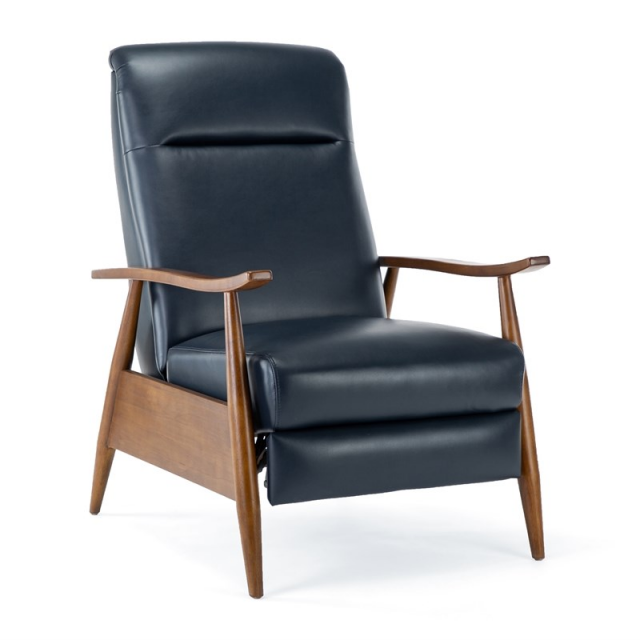
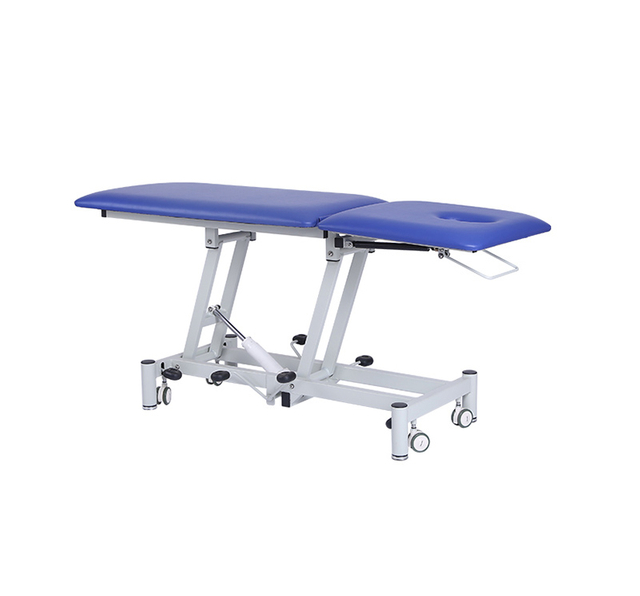
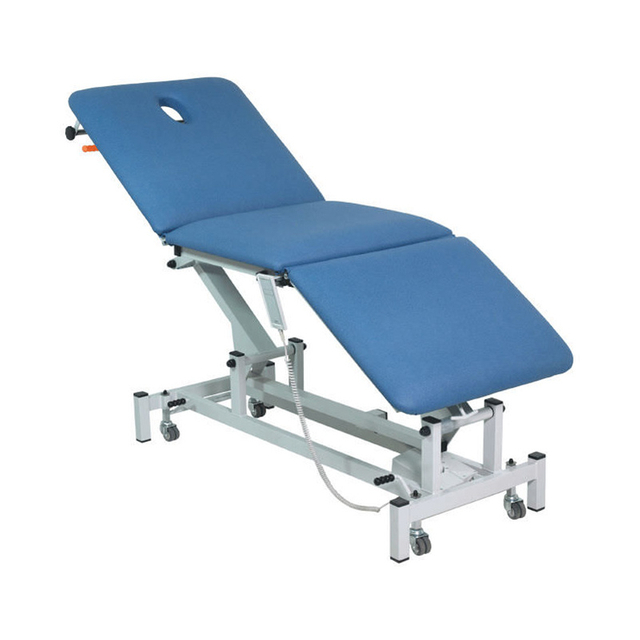
The dialysis treatment chair is the single most critical element of dialysis center specialized seating. Unlike general patient recliners, a dialysis treatment chair must support patients in semi‑reclined positions for hours while providing safe access for vascular access sites, typically in the arm.

Independent control of backrest angle, leg rest elevation, and overall seat height allows patients to find comfortable treatment positions. Trendelenburg capability—tilting the entire chair so the head is lower than the feet—is essential for managing hypotensive episodes during dialysis. Staff must be able to achieve this emergency position quickly, typically within 10–15 seconds, without needing the patient to move.
The backrest should recline from upright seating through multiple intermediate angles to a near‑flat position of at least around 165 degrees. Infinite positioning, rather than fixed presets, lets patients fine‑tune posture as comfort needs change. Independent leg rest adjustment supports different heights and allows elevation for patients with lower‑extremity edema. A dialysis treatment chair design that offers flexible back, leg, and seat positioning significantly improves tolerance of three‑ to five‑hour sessions.
Dialysis treatment chair specifications must include bilateral armrests with independent adjustment. The armrest on the access side should articulate away to facilitate cannulation while maintaining sterile field integrity, then return to a secure position that supports the arm without compressing the vascular access site. Width‑adjustable armrests accommodate different body types and allow ergonomic nurse positioning.
Armrest padding should provide pressure redistribution to avoid nerve compression during prolonged treatment. Memory foam or gel‑infused padding offers superior pressure distribution compared to standard foam, provided the material is fluid‑resistant and compatible with disinfectants used in the dialysis center.
Dialysis populations include many patients with elevated body weight, making weight capacity a critical dialysis treatment chair specification. Standard chairs should support at least 350 pounds, with bariatric models available up to 600 pounds or more. The frame structure and lift mechanisms must be engineered for these loads with appropriate safety factors.
Table 1: Dialysis Treatment Chair Specifications
| Specification | Minimum Requirement | Recommended Standard | Clinical Rationale |
Weight capacity | 350 lbs | 500 lbs standard; 750 lbs bariatric | Accommodates diverse dialysis patient population |
Backrest recline range | 90–165 degrees | 90–180 degrees (near flat) | Long‑duration comfort and emergency Trendelenburg |
Leg rest elevation | Independent 0–90 degrees | Independent with infinite positioning | Edema management and circulation |
Seat height range | 18–24 inches | 16–26 inches (low for wheelchair transfers) | Wheelchair transfer compatibility |
Armrest adjustability | Height and width | Independent height, width, and angle bilateral | Vascular access accommodation and staff ergonomics |
Trendelenburg speed | ≤15 seconds | ≤10 seconds | Emergency hypotension response |
Upholstery seams | Heat‑sealed, fluid‑resistant | RF‑welded seams, no stitching | Infection control and fluid containment |
Casters | 4 locking, ~4‑inch diameter | 5 locking, ~5‑inch diameter, total lock | Mobility and stability |
IV pole integration | Single removable pole | Dual adjustable‑height poles | Multiple infusion requirements |
Comfort features | Optional heat/massage | Integrated with patient control | Comfort and muscle relaxation for long sessions |
This specification table helps compare dialysis treatment chair options and ensure they meet comfort, safety, and infection‑control requirements that generic hospital recliners often fail to provide.
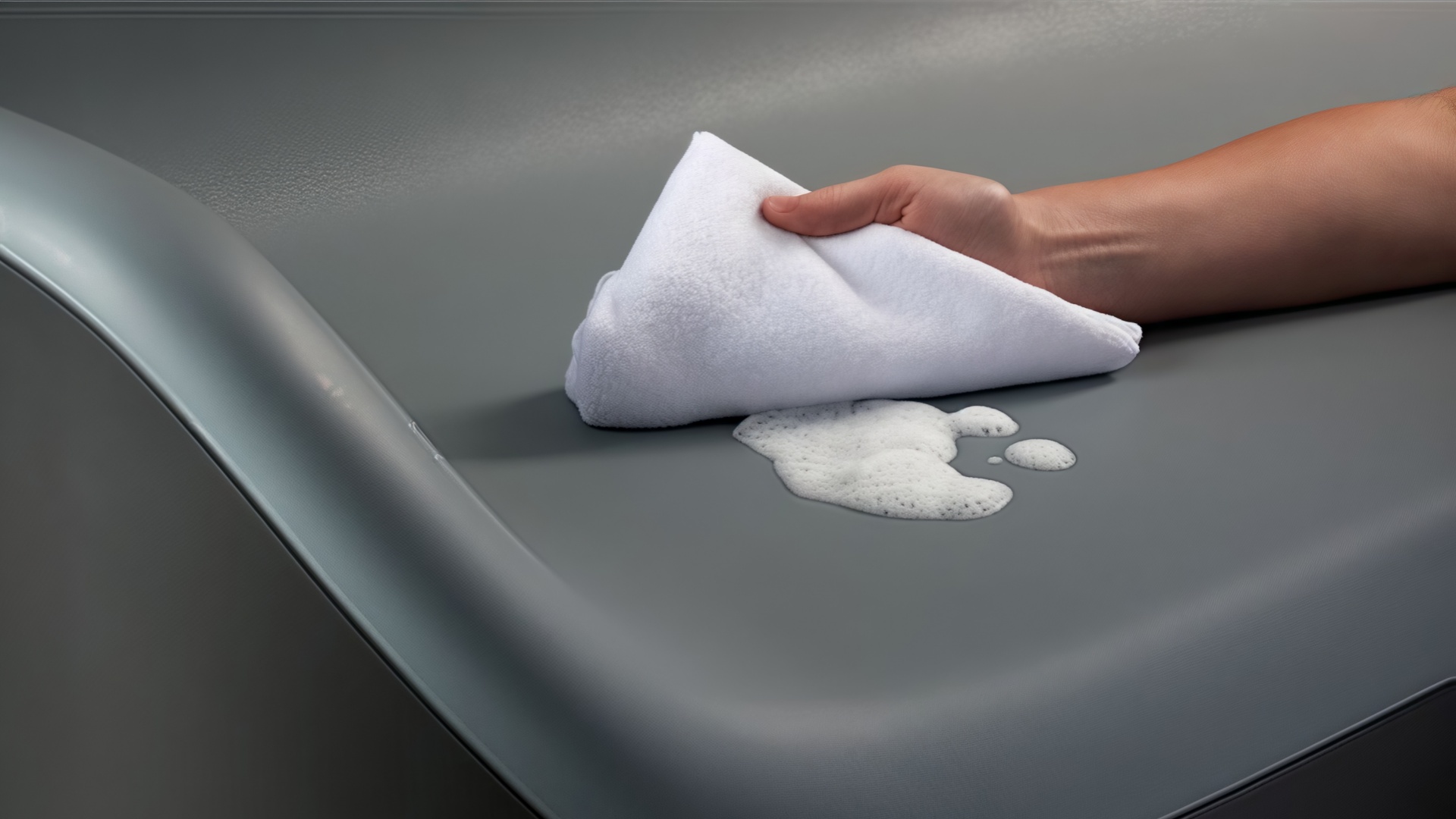
Dialysis center furniture must withstand frequent disinfection and exposure to blood and dialysate. Upholstery for dialysis treatment chairs needs fluid‑resistant, chemically resistant surfaces with construction that prevents penetration into the foam.
Thermoplastic polyurethane (TPU) upholstery offers stronger chemical resistance than many standard healthcare vinyls while providing a softer, more comfortable hand feel. Upholstery seams are critical: traditional stitched seams create channels where fluids can penetrate and bacteria can colonize. Radio frequency (RF) welded seams provide permanent, fluid‑impermeable bonds without stitch holes, dramatically improving infection control dialysis furniture performance.
Facilities specifying dialysis center furniture should verify that treatment chairs use welded seams rather than stitched seams in all patient‑contact areas and that upholstery materials are compatible with the EPA‑registered disinfectants used between treatments.
Dialysis treatment room layout directly affects nursing efficiency, patient privacy, and infection‑control outcomes. Dialysis center furniture placement must support staff sight lines, clear circulation, and well‑defined patient spaces.
Each dialysis treatment station should provide at least about 80 square feet of floor area; 100–120 square feet per bay is recommended for comfort and workflow. Bay width of roughly 8–10 feet accommodates the dialysis treatment chair in its fully reclined position, the dialysis machine, staff circulation on both sides, and wheelchair turning space.
Clear floor space on each side of the chair should be at least 36 inches, with the vascular access side requiring around 48 inches or more to accommodate sterile cannulation setups. At the foot of the chair, a minimum aisle width of about 48 inches, preferably 60 inches, allows stretcher and emergency equipment passage.
Dialysis treatment room requirements call for nurse stations that allow visual monitoring of multiple patients. A ratio of one nurse station for roughly 4–6 treatment bays supports direct visualization while limiting unnecessary walking. Each workstation should include sit‑stand adjustable computer surfaces so staff can document in the electronic health record without leaving the treatment floor.
Table 2: Dialysis Treatment Room Layout Specifications
| Layout Element | Minimum Requirement | Recommended Standard | Design Consideration |
Bay floor area | ~80 sq ft per station | ~100–120 sq ft per station | Includes chair, machine, circulation and transfers |
Bay width | ~8 feet | ~10 feet center‑to‑center | Measured between bay partitions or center lines |
Side clearance (non‑access) | ~36 inches | ~42 inches | Staff circulation |
Side clearance (access arm) | ~48 inches | ~54 inches | Sterile field setup for cannulation |
Foot‑of‑chair aisle | ~48 inches | ~60 inches | Emergency stretcher passage |
Nurse station ratio | 1 per ~8 bays | 1 per ~4–6 bays | Direct visualization and workflow |
Privacy partition height | ~54 inches | ~60–66 inches | Balance privacy with staff observation |
Ceiling height | ~9 feet | ~10 feet | Overhead lift and equipment clearance |
Handwashing station ratio | 1 per ~4 bays | 1 per ~3 bays | Point‑of‑care hand hygiene |
Isolation room | Required | Negative‑pressure capability | Dedicated area for hepatitis B‑positive patients |
These layout standards give you a practical framework for dialysis treatment room design, ensuring each dialysis center furniture station provides enough space for patients, machines, and emergency operations.

Privacy partitions between treatment bays should balance visual separation and staff observation. Partition heights around 54–66 inches provide privacy for seated or reclined patients while enabling staff to see across the floor. Curtains can supplement fixed partitions when full enclosure is needed.
Individual entertainment systems—such as personal TV screens on articulating arms or tablet mounts integrated into dialysis treatment chairs—greatly improve patient experience during long sessions. Headphone jacks prevent audio bleed between bays, and all devices must be easily cleanable with the same disinfectants used on other dialysis center furniture surfaces.
Dialysis patients face elevated infection risk due to regular vascular access and immunocompromised status. Dialysis center furniture and treatment room design must align with CDC dialysis infection‑control recommendations and facility policies.
All surfaces in the dialysis treatment area—including dialysis treatment chairs, over‑chair tables, machine housings, and staff workstations—must be disinfected between patients. Turnover times of 30–45 minutes require furniture surfaces that can be cleaned quickly and thoroughly. Smooth, non‑porous surfaces with minimal horizontal ledges or crevices enable cleaning staff to meet disinfection contact times.
Facilities that treat hepatitis B‑positive patients must maintain dedicated equipment and separate treatment areas. This requirement extends to dialysis center furniture: treatment chairs, machines, and accessory furniture in isolation areas must not be shared with the general patient population. Color‑coding or permanent labeling of chairs helps staff maintain proper separation.
Clean and soiled supply zones must be physically separated. Dialysis center furniture should not combine clean storage and contaminated disposal functions in a single unit, as this invites cross‑contamination.
Table 3: Infection Control Requirements for Dialysis Furniture
| Requirement | Standard / Source | Furniture Specification | Verification Method |
Surface cleanability | CDC dialysis guidance | Non‑porous, smooth surfaces compatible with EPA‑registered disinfectants | Manufacturer chemical compatibility data |
Inter‑patient cleaning | CDC dialysis station protocol | Quick‑clean design, minimal crevices | Observed cleaning time trial |
Bloodborne pathogen control | OSHA 29 CFR 1910.1030 | Fluid‑impermeable upholstery, welded seams | Penetration testing and documentation |
Hepatitis B isolation | CDC / CMS ESRD Conditions | Dedicated color‑coded chairs in isolation area | Visual audit and assignment policies |
Clean vs soiled separation | Infection‑control policies | Dedicated clean supply cabinets, separate soiled utility furniture | Environmental rounds |
Disinfection contact time | EPA disinfectant label | Materials compatible with required wet contact time | ATP or similar monitoring after cleaning |
Water damage prevention | Facility guidelines | Non‑absorbent materials near dialysis stations, marine edge banding on HPL | Routine furniture inspection |
Mapping dialysis center furniture specs to these infection‑control requirements helps verify that surfaces and upholstery truly support dialysis cleaning protocols.
Long‑duration hemodialysis sessions place extreme demands on seating comfort. Poorly designed seating can cause pressure injuries, muscle cramping, and general discomfort that lead to non‑compliance or early session termination.
Dialysis center specialized seating must distribute weight across large surface areas to protect bony prominences. Multi‑layer foam cushioning with a firm support base and softer top layer offers both structural support and pressure distribution. Gel‑infused or air‑cell inserts can further improve pressure redistribution, especially for patients who cannot shift position independently.
Lumbar support and articulating headrests help maintain comfort across different recline angles. These features should be adjustable by the patient without tools and easily cleanable.
Patients often feel cold during dialysis due to extracorporeal blood cooling and limited movement. Integrated seat‑heating elements in dialysis treatment chairs address this comfort issue and can reduce muscle cramping. Heating zones should be patient‑controlled and temperature‑limited to avoid burns.
Breathable upholstery such as perforated vinyl or breathable polyurethane helps regulate temperature and moisture at the seating surface, improving comfort over three‑ to five‑hour sessions.
Table 4: Patient Comfort Features for Dialysis Chairs
| Comfort Feature | Function | Patient Benefit | Implementation Considerations |
Multi‑layer foam cushioning | Pressure redistribution | Reduced pressure injury risk | Replaceable cushion modules for maintenance |
Gel‑infused seat inserts | Enhanced pressure redistribution | Comfort during 4+ hour treatments | Verify fluid resistance of gel encapsulation |
Integrated lumbar support | Adjustable lower back support | Reduced back pain during treatment | Patient‑controlled adjustments |
Seat heating | Temperature regulation | Reduced cold sensation and muscle cramps | Temperature‑limited, timed operation |
Articulating headrest | Head and neck support | Comfort in multiple recline positions | Tool‑free adjustment |
Padded armrests | Arm support during cannulation | Nerve compression prevention | Replaceable, cleanable covers |
Leg rest elevation | Lower‑extremity support | Edema management and circulation | Infinite position adjustment |
Massage function | Muscle relaxation | Reduced cramping and improved comfort | Patient‑controlled intensity limits |
USB charging ports | Device charging during treatment | Patient engagement and entertainment | Integrated cable management |
Reading light | Individual task lighting | Activities without disturbing room lighting | Adjustable beam and dimming capability |
This comfort feature list shows why dialysis center specialized seating must go far beyond basic recliners to sustain patients through long treatments.
Modern dialysis center furniture often integrates entertainment and connectivity. Individual TV monitors on arms, tablet holders built into the dialysis treatment chair, and reliable Wi‑Fi let patients work remotely, stream content, or communicate with family during treatment. These features improve patient satisfaction and support quality‑of‑care metrics.
Dialysis centers operate under CMS Conditions for Coverage for end‑stage renal disease facilities, state licensing requirements, and accreditation standards from organizations such as The Joint Commission. Dialysis center furniture and layout must support compliance with these regulations.

CMS Conditions for Coverage specify minimum requirements for the physical environment, including space for treatment and emergency response, privacy provisions, and isolation capabilities. Dialysis center furniture design must ensure treatment areas are large enough for patients, machines, and staff, and that chairs can be placed in Trendelenburg position for emergency hypotension management.
Dialysis centers must have emergency power and evacuation plans. Dialysis treatment chairs should be compatible with evacuation procedures, featuring locking casters that can be unlocked quickly when chairs need to be moved. Furniture choices that hinder emergency movement can compromise compliance and safety.
Table 5: Regulatory Compliance Requirements for Dialysis Furniture
| Regulatory Requirement | Source / Standard | Furniture Compliance Action | Documentation Needed |
Adequate physical environment | CMS 42 CFR 494.60 | Bay dimensions meet minimum and recommended standards | Measured floor plans with dimensions |
Infection control program | CMS 42 CFR 494.30 | Cleanable surfaces, dedicated isolation furniture | Infection‑control risk assessment |
Emergency preparedness | CMS 42 CFR 494.60(d) | Chairs with rapid Trendelenburg and emergency mobility | Emergency operations plan |
Patient privacy | CMS 42 CFR 494.60(d) | Privacy partitions and personal storage at each bay | Privacy design assessment |
Fire safety | NFPA 101 Life Safety Code | Upholstery meeting CAL 133 or NFPA 260 where applicable | Furniture fire test certificates |
Accessibility | ADA Standards | Accessible treatment bay with compliant clearances | ADA compliance survey |
Hazard communication | OSHA Hazard Communication | Chemical‑compatible materials and documented safety data | Material safety data sheets |
Equipment maintenance | CMS 42 CFR 494.60(c) | Preventive maintenance program for powered chairs | Maintenance logs and schedules |
Keeping this compliance checklist linked to dialysis center furniture specifications makes accreditation and survey preparation more straightforward.
Facility managers can use the following checklist when evaluating dialysis center furniture and treatment chair proposals:
Clinical safety. Confirm dialysis treatment chairs provide rapid Trendelenburg positioning, appropriate weight capacity for your patient mix, secure arm support for vascular access, and integrated IV pole mounts.
Infection control. Require fluid‑impermeable upholstery with RF‑welded seams, smooth non‑porous surfaces, and documented compatibility with EPA‑registered disinfectants used between treatments.
Patient comfort. Prioritize multi‑layer cushioning, lumbar support, heating options, and personal entertainment integration to sustain patients through three‑ to five‑hour dialysis sessions.
Workflow efficiency. Design dialysis treatment room layouts with recommended bay sizes, clearances, nurse station ratios, and sight lines so staff can monitor multiple patients and respond quickly to emergencies.
This bullet checklist condenses the guide's main themes into a practical tool for dialysis center furniture decision‑making.
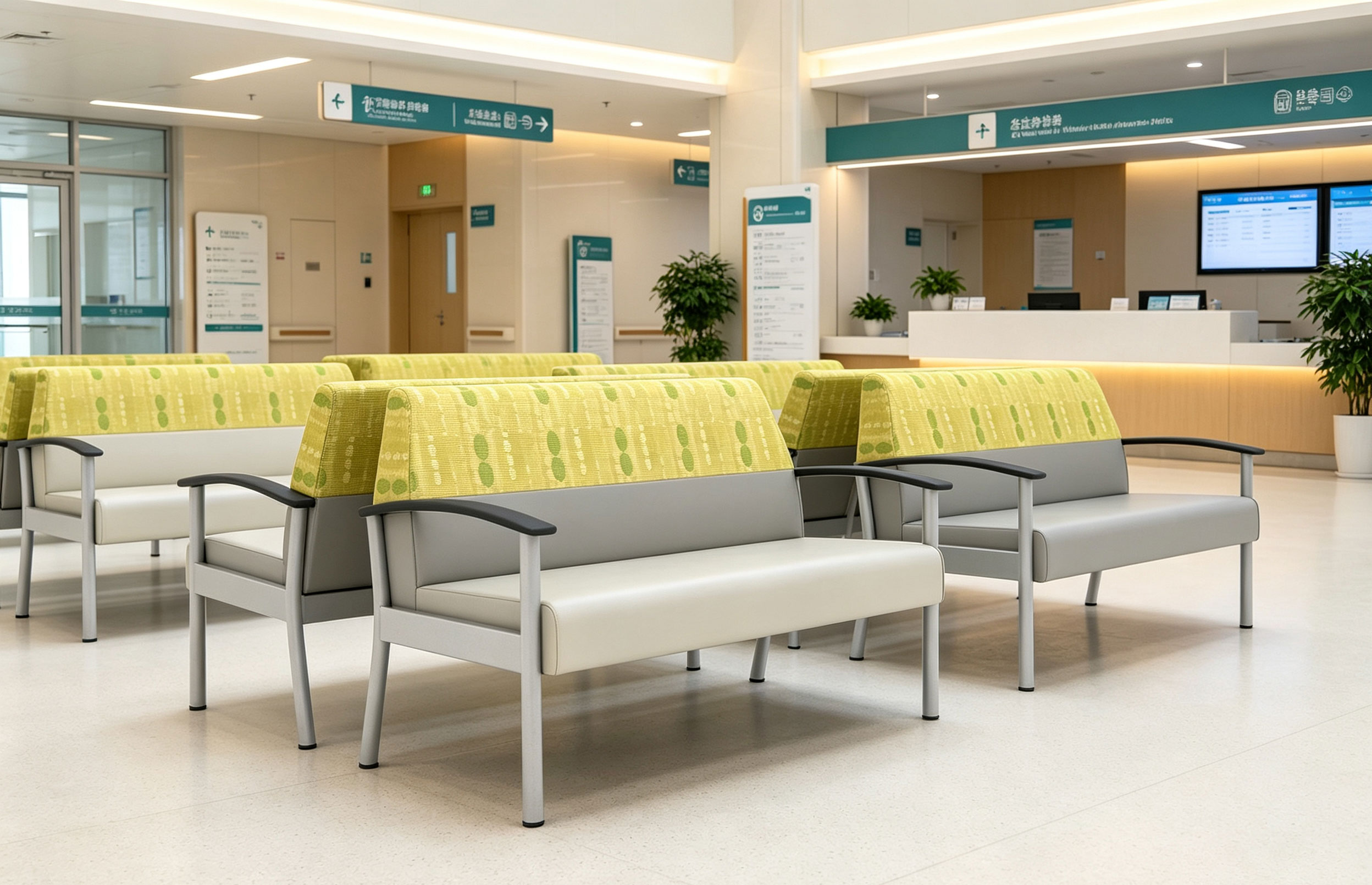
A dialysis treatment chair should offer independent adjustment of backrest, leg rest, and seat height with near‑infinite positioning; rapid Trendelenburg capability for emergency hypotension management; bilateral adjustable armrests that support vascular access without compressing sites; fluid‑impermeable upholstery with welded seams; weight capacity appropriate for your population (minimum about 350 lbs, higher for bariatric use); locking casters; and integrated IV pole mounts.
Each dialysis treatment station should provide at least around 80 square feet, with 100–120 square feet recommended for comfort and workflow. This area must accommodate the dialysis treatment chair in its fully reclined position, the machine, staff circulation on both sides, and wheelchair turning. Bay width of roughly 8–10 feet center‑to‑center supports these requirements.
Dialysis‑specific infection control measures include seamless, fluid‑impermeable upholstery with RF‑welded seams; surfaces compatible with disinfectants used between patients; dedicated, color‑coded dialysis center furniture for hepatitis B isolation; clearly separated clean and soiled storage furniture; and antimicrobial surface treatments as supplemental protection. All patient‑contact surfaces must be disinfected after each treatment session.
Dialysis chairs differ from standard recliners by offering independent control of back, leg, and arm positions for vascular access; Trendelenburg emergency positioning; higher weight capacities; upholstery engineered for frequent disinfection; and additional comfort features like integrated heating, lumbar support, and personal entertainment mounts designed for multi‑hour treatments.
Regulations such as CMS Conditions for Coverage require dialysis facilities to provide patient privacy during treatment. Privacy partitions between bays should be roughly 54–66 inches high to shield patients from view while allowing staff observation. Curtains can be used to fully enclose bays when procedures or confidential discussions require extra privacy, as long as staff can still monitor patient safety.
Hongye Healthcare Furniture specializes in dialysis center furniture and dialysis treatment chairs, combining long‑duration comfort features with infection‑control upholstery, Trendelenburg‑ready mechanisms, and layout support that meets CMS and CDC dialysis requirements. If you share your dialysis treatment room layouts, station counts, and current chair specifications, we can review them against this dialysis center furniture guide and recommend seating, surfaces, and layouts that improve patient comfort, infection control performance, and regulatory compliance over the life of your dialysis center.