Views: 0 Author: Site Editor Publish Time: 2025-04-25 Origin: Site


The design of healthcare furniture represents a critical intersection of functionality, comfort, and aesthetics that directly impacts patient experience and recovery outcomes. When designing healthcare facilities, the distinction between patient room furniture and waiting area furniture becomes particularly significant, as each environment serves fundamentally different purposes with unique requirements. Patient rooms necessitate furniture that supports clinical care, comfort during recovery, and family accommodation, while waiting areas must create positive first impressions, reduce anxiety, and efficiently manage visitor flow. The healthcare furniture market, valued at USD 9.8 Billion in 2023 and projected to reach USD 18.6 Billion by 2033 with a CAGR of 6.6%, reflects the growing recognition of furniture's role in healthcare delivery. This comprehensive guide examines the key differences between these two furniture categories, exploring their distinct design priorities, material considerations, technological integration, and evolving trends. By understanding these differences, healthcare facility planners, designers, and administrators can make informed decisions that enhance both patient outcomes and operational efficiency.

Healthcare furniture serves different functions depending on its placement within a facility. The fundamental distinction between patient room and waiting area furniture lies in their primary purposes and the activities they support.
Patient room furniture is designed for extended use by individuals receiving medical care. Its primary users are patients who may be confined to the space for days or weeks, healthcare providers performing medical procedures, and family members providing support or staying overnight. The furniture must accommodate clinical needs while supporting recovery in a space that feels less institutional. Key elements typically include:
Adjustable patient beds with clinical functionality
Overbed tables for meals and activities
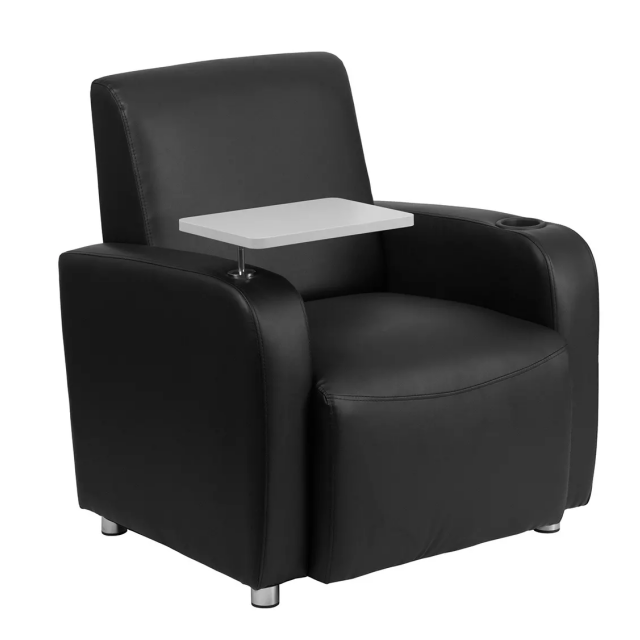
Patient chairs and recliners for out-of-bed sitting
Visitor seating that may convert to sleep surfaces
Bedside cabinets for personal belongings storage
Clinical workstations for healthcare providers
Waiting area furniture, conversely, serves a transient population for shorter durations. Its primary purpose is to provide comfortable seating while visitors wait for appointments, procedures, or to visit patients. This furniture creates critical first impressions of the healthcare facility and must efficiently accommodate high volumes of diverse users. Key components typically include:
Diverse seating options (individual chairs, loveseats, benches)
Tables for reading materials and personal items
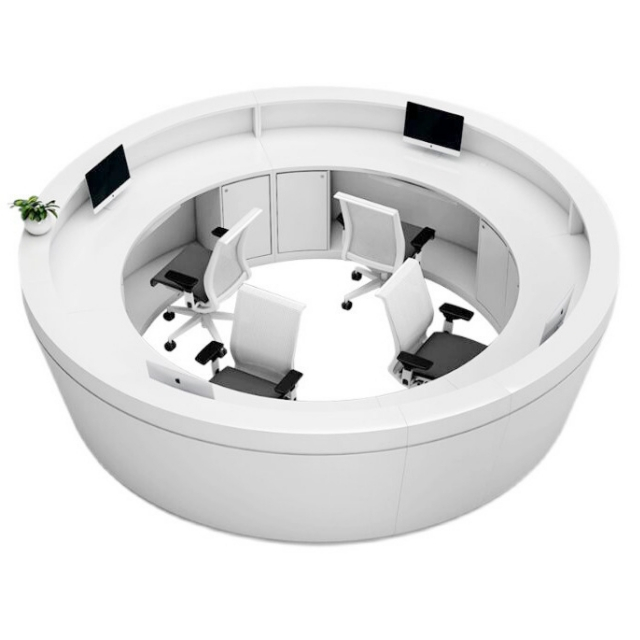
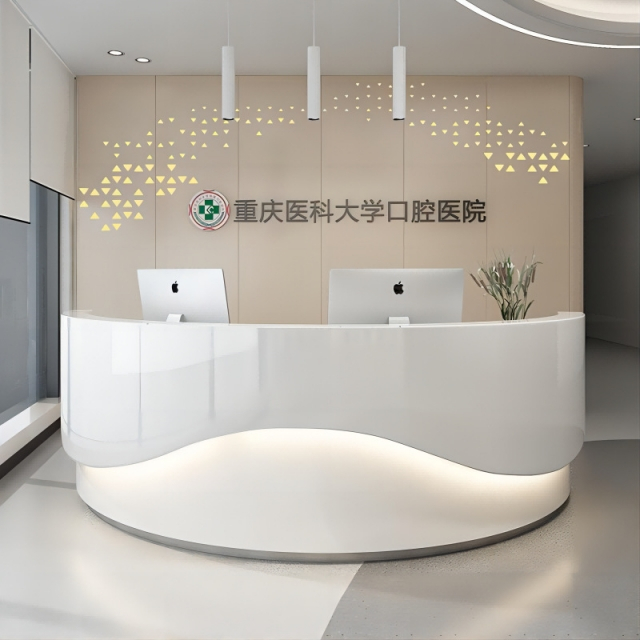
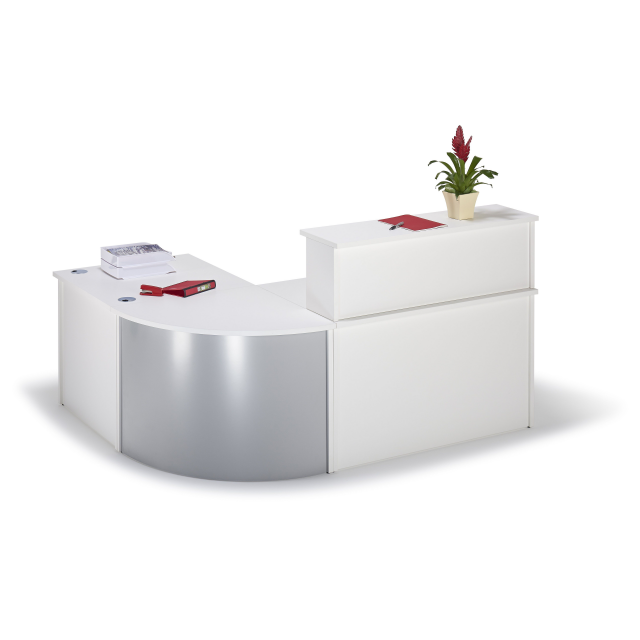
Reception and check-in counters
Modular seating arrangements that define traffic flow
Furniture that supports technology integration (charging stations)
A critical difference lies in the duration of use. Patient room furniture supports 24/7, multi-day use with heightened clinical requirements, while waiting area furniture typically accommodates users for minutes to hours in a non-clinical context. This fundamental distinction drives many design decisions.
Feature | Patient Room Furniture | Waiting Area Furniture |
Primary Users | Patients, healthcare providers, family members | Visitors, patients awaiting appointments |
Duration of Use | Extended (days to weeks) | Short-term (minutes to hours) |
Clinical Requirements | High (must accommodate medical procedures) | Low (primarily comfort-focused) |
Privacy Considerations | Critical (personal care activities) | Moderate (conversational privacy) |
Adaptability Needs | Adjustable for clinical positioning | Varied seating options for diverse users |
Technology Integration | Medical equipment compatibility | Charging stations, entertainment systems |
The Southwest General Hospital in San Antonio demonstrates this distinction through their furniture choices. In 2016, they selected Norix's Gibraltar Series for their emergency room waiting area specifically for its combination of durability and cleanability while creating a welcoming atmosphere. For patient rooms, they opted for furniture with more clinical functionality, including adjustable positioning and caregiver access.

Patient room furniture must balance three primary design priorities: clinical functionality, patient comfort, and safety considerations. These elements work together to support recovery while enabling efficient care delivery.
Clinical functionality takes precedence in patient room furniture design. Each piece must accommodate the delivery of medical care while supporting patient recovery. Patient beds represent the most complex examples, with features like:
Height adjustability for safe patient transfers
Multiple positioning options (Trendelenburg, reverse Trendelenburg)
Integrated scales and monitoring capabilities
Easy mobility for room reconfiguration during emergencies
Compatibility with medical accessories (IV poles, oxygen tanks)
Beyond beds, other furniture requires clinical consideration. Overbed tables must adjust precisely for patient use while in bed and provide stable surfaces for medical procedures. Recliners often include features for specific treatments, as seen in Wieland's SleepToo models with specialized positioning for dialysis and oncology therapy.
Patient comfort represents the second critical priority, directly influencing recovery outcomes. Research indicates comfortable environments can reduce stress hormones, promote better sleep, and potentially shorten hospital stays. Key comfort considerations include:
Ergonomic support for long-term positioning
Pressure redistribution to prevent bedsores
Temperature regulation through breathable materials
Noise reduction through dampening materials
Accommodation of physical limitations
The Haworth Health Gates Recliner exemplifies this focus on comfort through its comprehensive suite of reclining options and pressure-relief cushioning specifically designed for extended patient use.
Safety features form the third pillar of patient room furniture design. These elements protect both patients and caregivers from injury while supporting infection control protocols:
Rounded edges to prevent injuries during transfers
Stable bases to prevent tipping
Smooth surfaces that eliminate pinch points
Weight capacities appropriate for bariatric patients
Anti-microbial materials and cleanable surfaces
Minimal crevices where pathogens could accumulate
MedViron's height-adjustable Exam Room Carts demonstrate this safety focus. Developed in collaboration with a large Midwestern research hospital between 2018-2019, these carts feature ergonomic design elements that reduce provider strain while ensuring patient safety during examinations.
Design Element | Patient Beds | Patient Recliners | Bedside Cabinets | Visitor Seating |
Clinical Features | Height adjustability, Trendelenburg positioning, integrated scales | Treatment positions, IV pole attachments, footrest options | Overbed table extension, medication storage | Sleep surface conversion, compact footprint |
Comfort Elements | Pressure redistribution mattress, multi-position backrest | Lumbar support, cushioned armrests, leg elevation | Rounded edges, accessible storage | Ergonomic support, sleep surface quality |
Safety Features | Side rails, mobility locks, call buttons | Stable base, cleanable surfaces, weight capacity | Locking mechanisms, smooth operation | Sturdy construction, infection control materials |
Family Support | Clearance for visitor chairs, accessible controls | Positioning for patient interaction | Shared surface for belongings | Sleep capability, proximity to patient |
The evolving recognition of family presence in recovery has added another dimension to patient room furniture design. The Conover Recliner and Sleeper by Haworth Health illustrates this trend through its dual-purpose design, featuring pull-out sleepers that convert chairs and loveseats into sleeping surfaces for family members who wish to remain overnight.

Waiting area furniture creates crucial first impressions of a healthcare facility while managing visitor flow and reducing anxiety during what can be stressful waiting periods. The priorities for this furniture category differ significantly from patient room furnishings.
First impression and brand representation stands as a primary concern. As the first physical touchpoint for many patients and visitors, waiting area furniture communicates the facility's values and quality of care. Design choices should:
Reflect the facility's brand identity and aesthetic values
Create a welcoming, non-institutional atmosphere
Convey professionalism and attention to detail
Establish appropriate expectations about the care to follow
The Vale Vets facility showcases this approach through their Rosehill reception seating solution, which uses plush upholstery, warm colors, and thoughtful layout to create a welcoming environment that reduces anxiety for both pets and their owners.
Traffic flow and space utilization priorities directly impact operational efficiency. Waiting areas must accommodate fluctuating visitor volumes while maintaining clear pathways and optimizing limited space:
Modular furniture allows reconfiguration as needs change
Space-efficient designs maximize seating capacity
Strategic layout creates natural pathways to reception areas
Varying seating arrangements accommodate different group sizes
Clear sightlines to information displays and staff areas
Barcelona-based design studio fuelfor exemplified this approach in their "rethinking the waiting room" case study. Their "modu" modular furniture system features adaptable components with different density cushion pads and moveable armrests to accommodate changing needs, while incorporating designated wheelchair and stroller spaces throughout.
Comfort for diverse user populations represents another key consideration. Waiting areas serve individuals of all ages, sizes, and physical capabilities, often under stress. Furniture must accommodate this diversity through:
Various seating heights for different physical needs
Bariatric options for larger individuals
Family-friendly arrangements for parents with children
Accessible options for wheelchair users and mobility devices
Appropriate support for elderly visitors
The Mia Beam Seating by Rosehill demonstrates this accommodation through its highly customizable design. Available with either breathable plastic or padded backs and upholstered seat pads, it can be configured with arms at either end, tip-up seats for improved accessibility, and optional table replacements for one seat position.
Feature | Traditional Waiting Room | Modern Patient-Centered Design | Specialized Clinic Needs |
Seating Arrangement | Rows facing reception desk | Grouped conversational clusters | Separated areas for different needs |
Privacy Considerations | Minimal (open plan) | Moderate (partial dividers) | High (separate spaces for different conditions) |
Seating Types | Uniform chair design | Mixed seating (chairs, loveseats, benches) | Condition-specific options (pediatric, bariatric, etc.) |
Technology Integration | Basic television | Charging stations, interactive displays | Self-check-in kiosks, condition-specific resources |
Acoustics Management | Limited consideration | Sound-absorbing furniture and panels | Private consultation pods |
Infection control capabilities have gained heightened importance in recent years. Waiting area furniture must withstand frequent cleaning with harsh disinfectants while minimizing cross-contamination:
Seamless upholstery without piping or crevices
Moisture-resistant materials that prevent penetration
Antimicrobial surfaces that actively resist pathogen growth
Replaceable components for deep cleaning
Spacing options that allow for distancing when needed
Furniture Concepts demonstrates this priority through their behavioral healthcare furniture designs, which balance the need for durability and functionality with infection control through features like seamless construction and antimicrobial materials.
The materials used in healthcare furniture directly impact durability, maintainability, infection control, and overall cost of ownership. While some considerations overlap between patient rooms and waiting areas, important distinctions exist in material priorities.
Infection control capabilities represent the paramount concern for materials in both settings, though with different emphasis. Patient room materials must withstand hospital-grade disinfectants and frequent cleaning, while waiting area materials focus on preventing cross-contamination between users.
For patient rooms, preferred materials include:
Solid surface materials without seams
Healthcare-grade vinyl with welded seams
Moisture-barrier fabrics that prevent penetration
Antimicrobial metals like copper alloys
Laminate surfaces with sealed edges
Waiting areas typically utilize:
Commercial-grade vinyl with antimicrobial properties
Bleach-cleanable fabrics with moisture barriers
Polyurethane or solid surface armrests
Powder-coated metal frames
Laminates for tabletops and surfaces
The Kwalu patient chair showcases advanced material innovation with its "not wood, but wood's warmth" approach. The chair features a durable, bleach-cleanable frame with a steel-reinforced joint system that replicates wood's aesthetic qualities while providing superior infection control capabilities.
Durability requirements differ significantly between the two environments. Patient room furniture endures continuous 24/7 use with frequent repositioning, clinical procedures, and potential impacts from equipment. Waiting area furniture experiences intermittent but high-volume use with different wear patterns.
Material Type | Patient Room Application | Waiting Area Application | Cleaning Compatibility | Durability Rating | Cost Considerations |
Healthcare Vinyl | Bed surfaces, recliners | High-traffic seating | Hospital-grade disinfectants | High | Moderate initial cost, long lifespan |
Polyurethane | Armrests, overbed tables | Armcaps, tabletops | All cleaners, no degradation | Very high | Higher initial cost, longest lifespan |
Antimicrobial Fabric | Privacy curtains, visitor seating | Low-traffic seating | Limited chemical compatibility | Moderate | Lower initial cost, requires replacement |
Solid Surface | Overbed tables, countertops | Reception counters, integrated tables | All cleaners, no degradation | Very high | Highest initial cost, longest lifespan |
Powder-coated Metal | Bed frames, cabinet hardware | Seating frames, table bases | Most cleaners, avoid abrasives | High | Moderate cost, very long lifespan |
Maintenance requirements vary based on environment and usage patterns. Patient room furniture requires more frequent deep cleaning protocols after each patient discharge, while waiting area furniture needs consistent surface cleaning with periodic deep cleaning.
The Ikon Beam Seating by Rosehill demonstrates thoughtful maintenance design through its angular frame and uniquely shaped seats and back pads that eliminate difficult-to-clean crevices, making it "a breeze to keep immaculately clean" according to facility managers.
Sustainability considerations have gained increasing importance in healthcare furniture selection. Facilities seek materials that:
Contain recycled content
Can be recycled at end-of-life
Are free from harmful chemicals
Support indoor air quality goals
Contribute to green building certifications
The healthcare industry trend toward sustainable and eco-friendly practices has manufacturers including recycled materials in their products and adopting sustainable practices throughout their supply chains.
The healthcare furniture landscape continues to evolve rapidly, driven by technological advances, changing demographics, and shifting care delivery models. Several key trends are reshaping both patient room and waiting area furniture design.
Technology integration is transforming healthcare furniture into active tools for care delivery and patient engagement. Emerging innovations include:
Furniture with built-in monitoring capabilities for vital signs
Smart beds that track sleep quality and movement
Integrated charging stations for personal devices
Interactive surfaces for patient education and entertainment
Furniture that communicates with nurse call systems
The Oban Sofas & Armchairs with integrated charging and power sockets exemplify this trend, allowing patients and visitors to charge electronic devices conveniently during their healthcare experience.
Patient-centered design philosophy continues to gain prominence, focusing on creating environments that support healing through:
Furniture that normalizes the healthcare environment
Designs that accommodate family involvement in care
Configurations that support patient dignity and autonomy
Options that reflect residential rather than institutional aesthetics
Furnishings that create a sense of control for patients
Champion's approach to behavioral healthcare furniture illustrates this trend through their patient-centered design philosophy, which emphasizes creating functional and aesthetically pleasing pieces that contribute to a welcoming environment while maintaining necessary clinical functionality.
Adaptability and modularity have become increasingly important as healthcare spaces evolve to meet changing needs. Future-focused furniture incorporates:
Modular components that reconfigure for different functions
Multi-purpose pieces that serve different clinical scenarios
Lightweight, mobile designs that support space flexibility
Stackable or nesting options for storage when not in use
Interchangeable components for easy updates
The Intro Modular Reception Seating by Rosehill demonstrates this adaptability through its 90-degree "planning pieces" that allow endless configurations to adapt to changing space needs and visitor volumes.
Biophilic design elements that connect healthcare environments to nature are gaining traction through:
Natural material finishes and textures
Furniture that supports indoor plantings
Color palettes derived from natural settings
Organic forms that mimic natural elements
Positioning that maximizes access to natural light
These nature-inspired elements have been shown to reduce stress and potentially improve recovery outcomes, making them increasingly important in both patient rooms and waiting areas.
Trend | Patient Room Application | Waiting Area Application | Expected Timeline | Implementation Complexity |
Technology Integration | Smart beds, integrated monitoring | Digital check-in stations, charging furniture | Current-3 years | High (requires infrastructure) |
Patient-Centered Design | Homelike aesthetics, family accommodation | Diverse seating options, privacy elements | Current | Moderate (requires design expertise) |
Modular/Adaptable Solutions | Convertible furniture, mobile components | Reconfigurable seating systems, flexible layouts | Current-2 years | Low to moderate (space planning needed) |
Biophilic Elements | Natural materials, views to nature | Plant integration, natural light optimization | Current | Low (primarily aesthetic changes) |
Antimicrobial Advancements | Self-sanitizing surfaces, pathogen-resistant materials | Touch-free designs, antimicrobial textiles | 1-5 years | Moderate (material science dependent) |
One company implementing these future trends is Furniture Concepts, which has developed healthcare furniture that balances the need for durability and functionality with designs that create warm and inviting spaces through carefully selected colors, textures, and materials that elevate healthcare environments.
The distinction between patient room furniture and waiting area furniture reflects their fundamentally different purposes within healthcare environments. Patient room furniture prioritizes clinical functionality, extended comfort, and safety features that support recovery while facilitating care delivery. Waiting area furniture emphasizes creating positive first impressions, efficient space utilization, and comfort for diverse visitors during relatively brief periods. Both categories share critical requirements for infection control, durability, and sustainability, though with different implementation approaches based on their usage patterns.
As healthcare continues to evolve toward more patient-centered models, the line between these furniture categories may blur, with patient rooms adopting more welcoming, less institutional aesthetics and waiting areas incorporating more supportive, comfortable features. Technology integration, modular adaptability, and biophilic elements will likely transform both environments in coming years.
For healthcare facility planners and designers, understanding these distinct priorities enables more informed furniture selection that enhances both patient outcomes and operational efficiency. By carefully considering the unique needs of each environment, facilities can create cohesive, healing spaces that support their clinical missions while providing comfort and dignity for patients and visitors alike. The most successful healthcare facilities recognize that furniture is not merely functional—it is an integral component of the healing environment and patient experience.
When selecting patient room furniture, the most critical factors include clinical functionality, patient comfort, safety features, and infection control. Clinical functionality ensures furniture supports medical procedures and care delivery, with features like adjustable positioning and compatibility with medical equipment. Patient comfort directly impacts recovery outcomes, requiring ergonomic support, pressure redistribution, and accommodation for extended use. Safety features protect both patients and caregivers through stable construction, rounded edges, and appropriate weight capacities. Infection control capabilities are essential, with seamless surfaces, antimicrobial materials, and designs that withstand frequent cleaning with hospital-grade disinfectants. Additional considerations include durability for 24/7 use, adaptability for different clinical scenarios, and family accommodation features that support the presence of loved ones during recovery. The best patient room furniture balances all these factors while creating a less institutional, more healing environment.
Furniture plays a critical role in infection control through both design features and material selection. Seamless construction eliminates crevices where pathogens can accumulate, with welded seams in upholstery and sealed edges on hard surfaces. Antimicrobial materials actively resist pathogen growth, including copper-infused surfaces, silver ion technology in fabrics, and engineered polymers that inhibit bacterial replication. Cleanability features ensure furniture withstands hospital-grade disinfectants without degradation, with non-porous surfaces that prevent fluid penetration. Modular components allow removal of specific elements for deep cleaning or replacement when contaminated. Minimal surface joints reduce areas where cleaning might be ineffective. Modern healthcare furniture often incorporates self-sanitizing technologies like UV-light integration and photocatalytic surfaces that continuously combat pathogens. Beyond these direct features, furniture layout can support infection control by enabling appropriate distancing and defining clean versus potentially contaminated zones.
Patient room and waiting area furniture require different material approaches based on their unique usage patterns. Patient room materials prioritize continuous disinfection capability to withstand multiple daily cleanings with hospital-grade disinfectants, while waiting area materials focus on high-traffic durability and surface cleanability. Patient rooms typically utilize healthcare-grade vinyl with welded seams, solid surfaces for overbed tables, and sealed laminates for cabinets. Waiting areas often employ commercial-grade fabrics with moisture barriers, polyurethane armcaps for high-touch areas, and powder-coated metal frames for structural integrity. While both environments require antimicrobial properties, patient room implementations tend to be more comprehensive, extending to all surfaces including privacy curtains and window treatments. Patient room materials must withstand fluid exposure from treatments and bodily fluids, while waiting area materials focus on stain resistance from food and beverages. Both require flame-retardant properties, but patient rooms often have more stringent requirements due to oxygen use.
Healthcare facilities can achieve an optimal balance between aesthetics and functionality through several strategic approaches. First, they should prioritize essential functions for each environment while identifying where aesthetic enhancements won't compromise performance. Material selection offers opportunities to incorporate appealing colors and textures without sacrificing cleanability by using high-performance fabrics with moisture barriers and antimicrobial properties in designer patterns. Architectural details in furniture, such as tapered legs or sculpted backs, can add visual interest without impacting function. Color strategy can create healing environments through nature-inspired palettes while maintaining necessary contrast for visually impaired users. Modular systems allow facilities to incorporate design elements that can be updated as aesthetic preferences change without replacing entire furniture pieces. The most successful facilities develop a cohesive design language across different areas, creating visual connections through consistent elements while adapting functional features to each space's specific needs. Finally, involving multidisciplinary input from design professionals, clinical staff, and patients ensures both aesthetic and functional requirements are addressed.
Healthcare furniture increasingly incorporates technology to enhance patient experience, improve care delivery, and increase operational efficiency. Smart beds integrate monitoring capabilities for vital signs, movement patterns, and sleep quality, with data transmission to electronic health records. Power integration in seating provides convenient charging through built-in USB ports and power outlets, as seen in products like the Oban Sofas with integrated charging stations. Antimicrobial technology is embedded in surfaces and textiles through silver ion, copper, and photocatalytic materials that actively combat pathogens. Position monitoring systems in patient chairs track sitting duration and position to prevent pressure injuries. Interactive surfaces on tables and overbed units provide patient education, entertainment, and communication tools. Sensor technology detects occupancy for space utilization analytics and alerts staff to potential fall risks when patients attempt unassisted movement. UV sanitization built into furniture automatically disinfects surfaces between uses. The most advanced implementations feature healthcare IoT integration where furniture communicates with building systems, patient monitoring, and staff notification tools to create responsive healing environments.
Specialized healthcare departments require tailored furniture approaches that address their unique clinical workflows, patient populations, and environmental considerations. Pediatric departments benefit from appropriately sized furniture with playful, engaging designs, safe rounded edges, and easily cleanable surfaces resistant to creative exploration. Behavioral health units require furniture with safety features like weighted bases, tamper-resistant components, and no ligature points, while still maintaining comfort and dignity. Emergency departments need highly durable, quickly cleanable furniture that facilitates rapid reconfiguration during surge events, with clear sightlines for patient monitoring. Oncology infusion centers require specialized recliners with comfortable positioning for extended treatments, integrated IV pole mounts, and easy-to-clean surfaces. Labor and delivery units benefit from furniture supporting various birthing positions, family accommodation, and quick conversion for emergency interventions. For all specialized departments, healthcare facilities should involve direct caregivers in the selection process, evaluate furniture in context with clinical workflows, consider patient population characteristics, and balance departmental uniqueness with facility-wide infection control and maintenance standards. Mock-up rooms with sample furniture allow staff to test functionality before final selections.