
Views: 0 Author: Site Editor Publish Time: 2025-12-10 Origin: Site


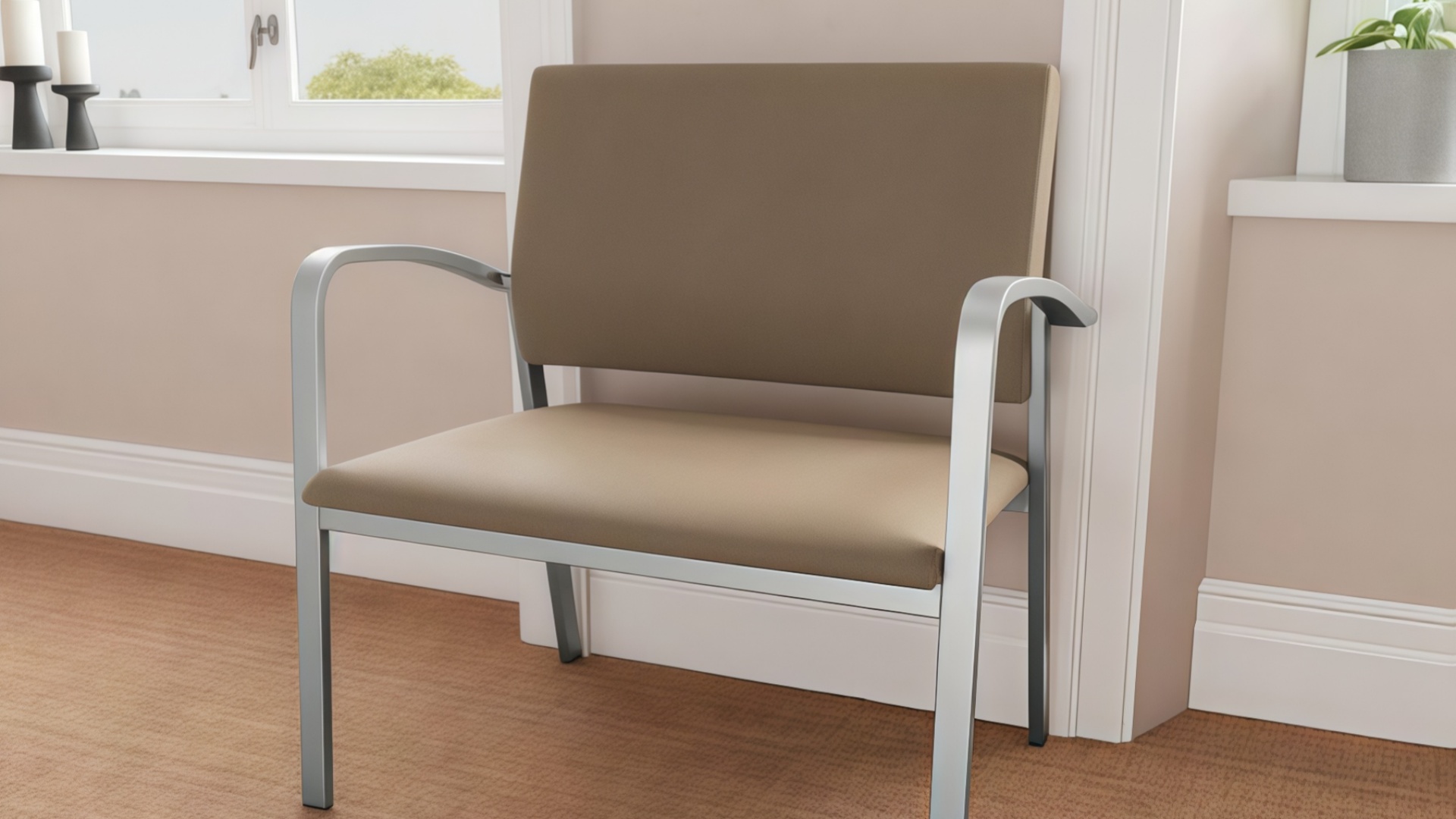
As a healthcare facility administrator, interior designer, or project contractor, selecting appropriate bariatric chair solutions for your facility represents a critical infrastructure investment. The bariatric furniture market, valued at USD 15 billion in 2023 and projected to reach USD 29.36 billion by 2032 (CAGR 7.75%), reflects the growing urgency of providing specialized seating for individuals with obesity and related health conditions.
This comprehensive B2B guide addresses the technical specifications, procurement criteria, compliance standards, and strategic selection processes necessary for specifying bariatric chairs across healthcare facilities, long-term care environments, clinical settings, and commercial spaces.
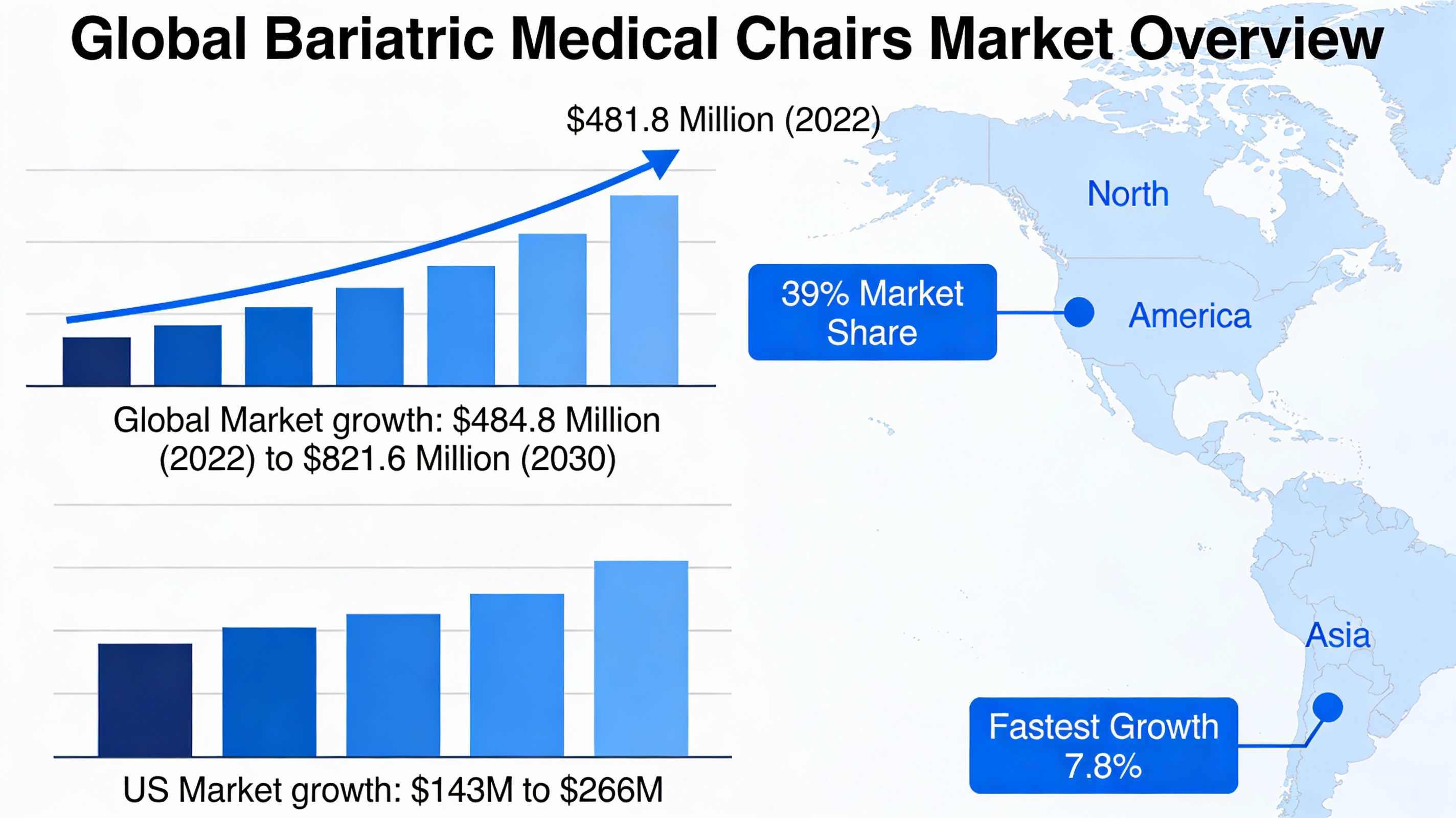
The global bariatric medical chairs market demonstrates robust expansion driven by multiple converging factors:
Market Valuation and Growth Projections:
Global market size: USD 484.8 million (2022) → Expected USD 821.6 million by 2030 (CAGR 7.02%)
US market segment: USD 143.21 million (2023) → USD 266.64 million by 2032 (CAGR 7.16%)
North America market share: 39% of global market (2023)
Asia-Pacific fastest growth: CAGR 7.80% (2023-2030)
Primary Market Drivers:
1. Rising Obesity Prevalence - Global obesity has tripled since 1975, affecting approximately 650 million adults; projected to rise to 817 million by 2025
2. Aging Population - Geriatric population growth increasing demand for specialized seating across healthcare settings
3. Healthcare Infrastructure Investment - Government initiatives supporting obesity management programs and specialized care equipment
4. Expanded Clinical Services - Growth in bariatric surgeries, weight management programs, and obesity-related treatment
5. Regulatory Support - Reimbursement policies and healthcare mandates driving facility adoption
Hospital Segment Dominance: Hospitals captured 44% of market share (2023), driven by:
Comprehensive bariatric surgical programs
Patient safety and comfort requirements
Regulatory compliance mandates
Government healthcare infrastructure investment
Other Significant Segments:
Long-term care facilities (growing rapidly)
Clinics and outpatient surgical centers
Diagnostic and therapeutic clinics (dental, ENT, ophthalmic)
Home care and residential settings
Commercial and corporate environments
Geographic Distribution:
North America: 37.9% market share (mature, advanced infrastructure)
Europe: Significant market with strict regulatory framework
Asia-Pacific: Fastest growth region (5.3%-7.8% CAGR)
Emerging markets: Expanding opportunities with infrastructure development
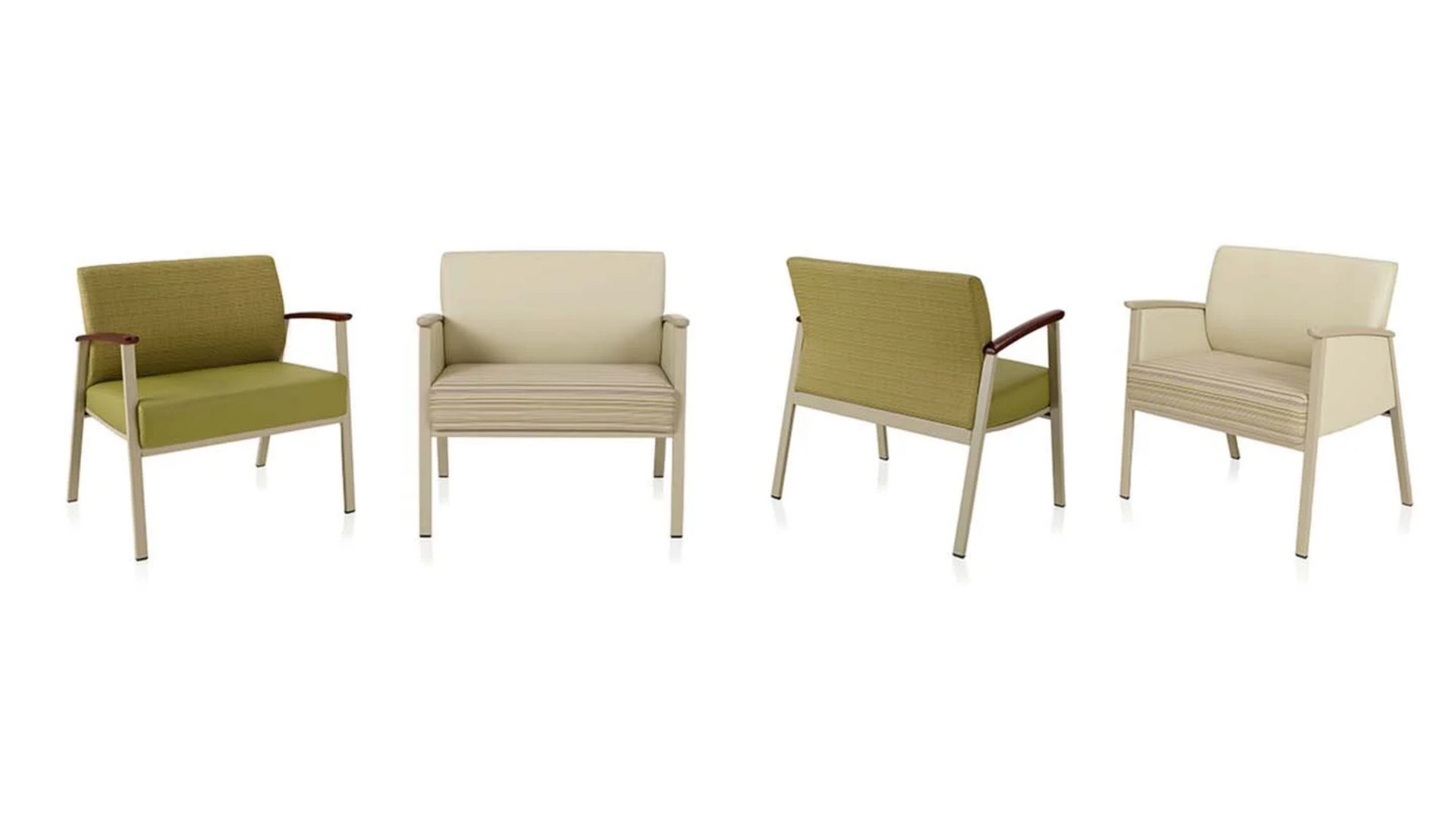
Bariatric seating is fundamentally defined by weight capacity specifications, with internationally standardized classifications:
Standard Office Seating:
Typical weight capacity: 250 pounds (113 kg)
Standards: ANSI/BIFMA X.5.1, BS EN 1335-2
Designed for 8-hour daily use
Application: General office environments
Reinforced Seating:
Weight capacity: 300-350 pounds (136-159 kg)
Standards: ANSI/BIFMA enhanced testing
Enhanced frame and suspension systems
Application: Facilities with diverse population body types
Heavy-Duty Bariatric Chairs:
Weight capacity: 400-500 pounds (181-227 kg)
Standards: ANSI/BIFMA X.5.4 bariatric standard (minimum 500 lb tested)
Reinforced construction throughout
Application: Healthcare facilities, specialized care
Extra-Heavy-Duty Bariatric Chairs:
Weight capacity: 600-1,000+ pounds (272-454+ kg)
Standards: Exceed ANSI/BIFMA bariatric requirements (double standard minimum)
Heavy-gauge steel, reinforced welds, grade 8 bolts
Application: Specialty healthcare environments, maximum accommodation needs
Frame Construction:
Material: Heavy-gauge steel or engineered reinforced wood
Welding: Reinforced welds meeting ANSI/BIFMA standards
Hardware: Grade 8 bolts and industrial-grade fasteners
Durability testing: Minimum 100,000 cycles (commercial standard)
Base Design:
Standard office: 5-leg base configuration
Bariatric standard: 7-leg base for enhanced stability
Base dimensions: Minimum 28-30" width for weight distribution
Casters: Heavy-duty industrial quality, 200+ lb per wheel capacity
Seat Specifications:
Width: 18-24 inches (45-61 cm) - standard to extra-wide
Depth: 16-18 inches (40-45 cm) - provides full thigh support
Height adjustment range: 18-24 inches minimum
Seat padding: High-density foam (1.8+ lb/cubic ft), pressure-relief options
Backrest Design:
Height: Minimum 18-24 inches above seat surface
Lumbar support: Anatomical curve support, adjustable positioning
Material: Breathable mesh or high-performance upholstery
Recline mechanism: 15-30 degree range for health benefits
Armrest Specifications (Critical for Bariatric Use):
Width: Adjustable, accommodating wider seating surfaces
Height adjustment: 7-10 inches above seat surface
Load capacity: 350+ pounds per armrest (critical safety feature)
Padding: Minimum 1.5 inches high-density foam, grade-A upholstery
Footrest Considerations:
Integration: Footrest or glide system supporting weight distribution
Height: Approximately 8 inches below seat surface
Platform size: Minimum 6-8 inches width for stable foot placement
Commercial-Grade Fabric Specifications:
| Performance Metric | Requirement | Testing Standard | Application |
Abrasion Resistance | Wyzenbeek 100,000+ cycles | ASTM D4157 | Durability |
Pilling Resistance | Grade 4-5 (no pilling) | ASTM D3945 | Appearance |
Seam Strength | 25+ lbs per linear inch | ASTM D6775 | Durability |
Stain Resistance | Class A (AATCC 8) | AATCC Rating | Maintenance |
Flame Resistance | CAL TB 117-2013 | Federal flammability | Safety |
Antimicrobial | Optional for healthcare | ASTM E2149 | Infection control |
Fabric Type Selection for Bariatric Applications:
| Fabric Type | Durability | Cleanability | Healthcare | Commercial | Cost |
Vinyl/PVC | ✓✓✓ | ✓✓✓ | ✓✓✓ | ✓✓ | $ |
Leather/Polyurethane | ✓✓✓ | ✓✓ | ✓✓ | ✓✓✓ | $$ |
Microfiber | ✓✓✓ | ✓✓ | ✓✓ | ✓✓✓ | $$ |
Solution-Dyed Acrylic | ✓✓ | ✓✓ | ✓ | ✓✓ | $$ |
Polyester Blend | ✓✓ | ✓ | ✓ | ✓ | $ |
Healthcare-Specific Considerations:
Antimicrobial properties (reduces HAI—healthcare-acquired infection risk)
Fluid-resistant characteristics (wipeable, non-absorbent)
Easy-to-clean surfaces supporting infection control protocols
Durable seams resisting repeated sanitization cycles
Heavy-Gauge Steel:
Minimum wall thickness: 0.095 inches (2.4 mm)
Welding standards: ANSI/AWS requirements
Surface treatment: Powder coating or industrial finish
Cost-effective for high-volume facilities
Standard in bariatric medical chair manufacturing
Engineered Wood Components:
Plywood or laminated hardwood (oak, maple)
Mortise-and-tenon joinery preferred
Reinforced with steel brackets at critical joints
Often used for aesthetic applications (executive settings)
Requires protective finish to maintain durability
Composite Frame Systems:
Advanced materials (carbon fiber reinforced polymers)
Lightweight yet high-strength characteristics
Emerging technology in premium bariatric seating
Higher cost but superior durability-to-weight ratio
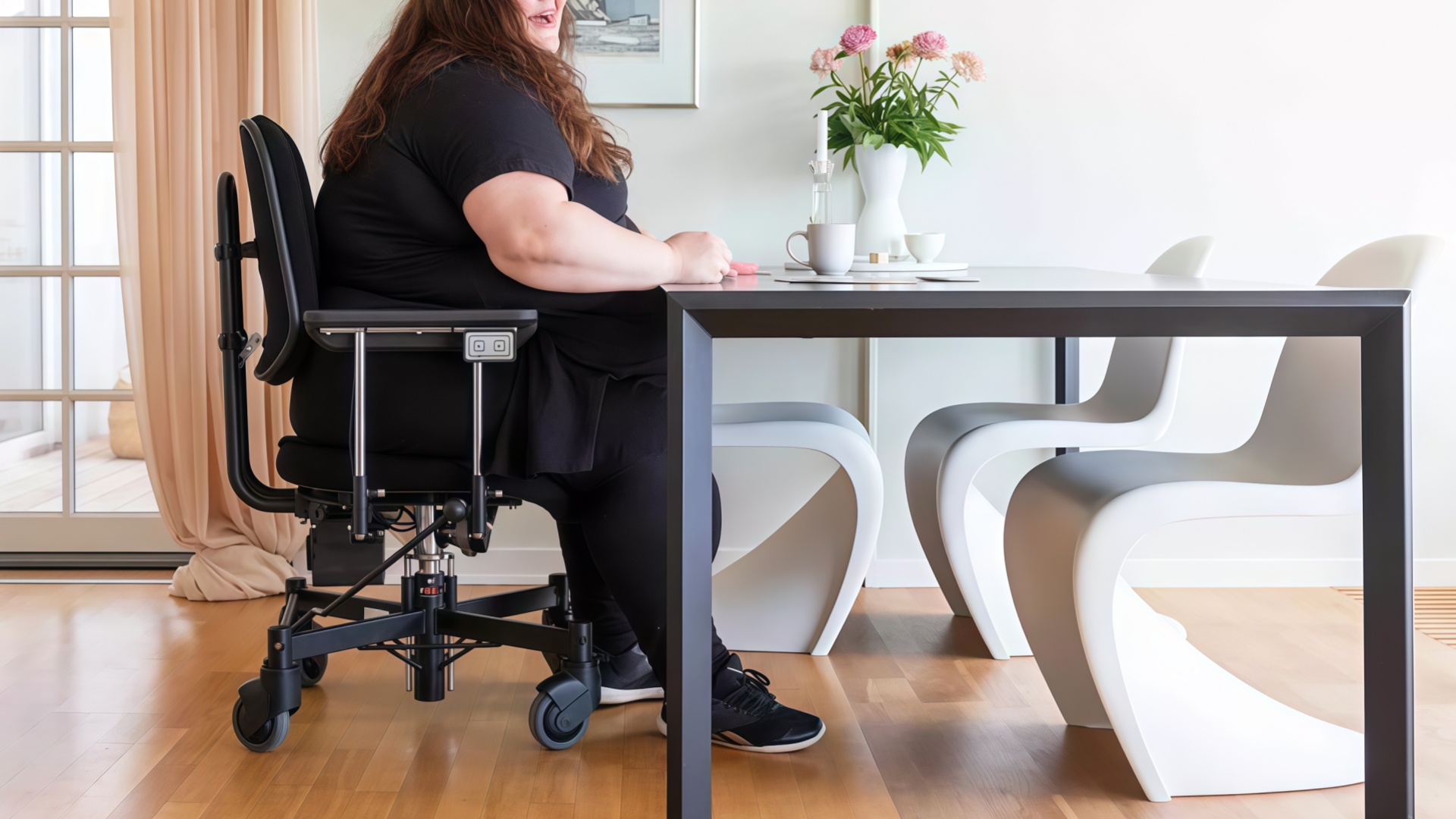
ANSI/BIFMA X.5.4 (Bariatric Seating Standard):
Minimum weight capacity: 500 pounds
Load testing: Static load testing per ASTM E2014
Durability: 100,000 cycle minimum
Safety margins: 4:1 safety factor for seated use
Compliance requirement: Essential for healthcare and commercial procurement
Additional Compliance Standards:
| Standard | Description | Application | Jurisdiction |
CAL TB 117-2013 | Flammability requirements | Upholstered furniture | California/US |
BS EN 1335-1/2 | Office furniture safety | UK/EU market | Europe |
AS 1735 | Office chair safety | Australia/Pacific | Regional |
NFPA 260 | Flame testing | Healthcare facilities | US standards |
GREENGUARD Gold | Low-VOC emissions | Healthcare facilities | Environmental |
FDA Classification (Healthcare Setting Bariatric Chairs):
Class I or II medical device depending on intended use
510(k) clearance requirement for new designs
Quality System Regulation (QSR) compliance
Medical device reporting (MDR) for adverse events
Reimbursement and Insurance Coverage:
Medicare/Medicaid coverage available (varies by setting)
Prior authorization requirements common
Documentation requirements: Physician prescription, medical justification
Coverage amounts: Varies by region and facility type
Americans with Disabilities Act Requirements:
Approach space: Minimum 36 inches wheelchair/mobility device access
Seating height: Range accommodating diverse transfer abilities
Armrest design: Supporting safe side transfers
Stability: Resistance to tipping during transfers
Technical Specifications:
Weight capacity: 400-500 pounds
Seat height: 18-20 inches
Overall height: 30-36 inches
Base: 7-leg reinforced design
Upholstery: Commercial-grade (Wyzenbeek 100,000+ cycles)
Certifications: ANSI/BIFMA X.5.4
Applications:
General office environments with diverse populations
Home care and residential care facilities
Clinic and outpatient settings
Corporate workplace accommodation
Unit Cost Range: USD 800-1,500 (depending on customization)
Technical Specifications:
Weight capacity: 500-700 pounds
Antimicrobial upholstery: ASTM E2149 compliance
Removable seat cushion: Facilitates cleaning and maintenance
Pressure-relief cushioning: Healthcare-specific comfort
Hand-adjustable or motorized recline: Therapeutic positioning
Armrests: 350+ lb capacity, extra-wide design
Applications:
Hospital patient rooms and recovery areas
Rehabilitation and therapy facilities
Bariatric surgery recovery units
Long-term care facilities
Unit Cost Range: USD 1,500-2,500
Technical Specifications:
Weight capacity: 400-600 pounds
Premium upholstery: Leather or designer performance fabrics
Design-forward aesthetics: Corporate environment appropriate
Executive features: Advanced ergonomics, motorized adjustment
Color customization: Matching corporate standards
Certifications: ANSI/BIFMA X.5.4 + premium standards
Applications:
Corporate boardrooms and executive offices
Law firms and professional services
Government and institutional settings
High-end commercial environments
Unit Cost Range: USD 1,800-3,500
Technical Specifications:
Weight capacity: 700-1,000+ pounds
Heavy-gauge steel construction: Welded and reinforced
Industrial-grade hardware: Grade 8 bolts and fasteners
Dual wheel casters: Enhanced mobility support
Extended dimensions: Accommodating largest individuals
Customization: Fully configurable to facility needs
Applications:
Bariatric specialty hospitals and units
Weight management research facilities
Specialty diagnostic centers
Maximum-accommodation environments
Unit Cost Range: USD 2,500-5,000+
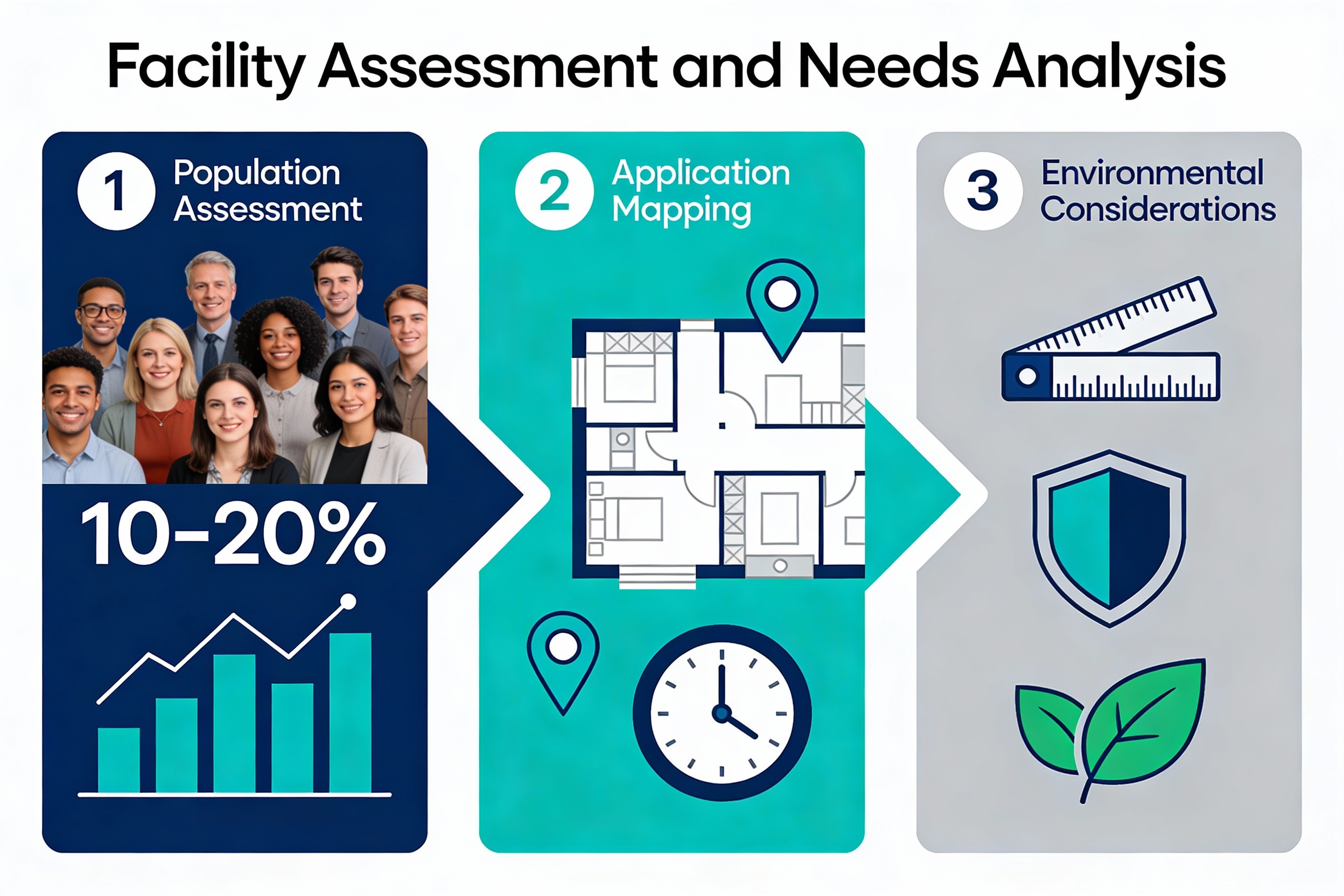
Step 1: Population Assessment:
1. Demographic analysis of facility population
2. Weight distribution data (if available)
3. Population projection for 3-5 year planning
4. Percentage estimated requiring bariatric seating (typically 10-20%)
Step 2: Application Mapping:
Identify specific use cases (office, patient care, administrative, etc.)
Determine sitting duration per application
Assess mobility requirements and transfer dynamics
Evaluate maintenance and cleaning protocols
Step 3: Environmental Considerations:
Room dimensions and layout constraints
Aesthetic matching with facility design
Durability requirements based on facility volume
Sustainability and environmental goals
Project Size: 100-Facility Installation Composition:
| Category | Percentage | Unit Cost Range | Total Investment |
Standard Bariatric Task | 40% | USD 800-1,500 | USD 32,000-60,000 |
Medical-Grade Bariatric | 35% | USD 1,500-2,500 | USD 52,500-87,500 |
Executive/Conference | 15% | USD 1,800-3,500 | USD 27,000-52,500 |
Extra-Heavy-Duty | 10% | USD 2,500-5,000 | USD 25,000-50,000 |
PROJECT TOTAL | 100% | — | USD 136,500-250,000 |
Cost Management Strategies:
1. Group Purchasing Organization (GPO) Participation
Potential savings: 15-25% off list pricing
Aggregate purchasing power across facilities
Negotiated terms and volume commitments
Annual rebates and performance incentives
2. Phased Procurement Approach
Spread costs across multiple fiscal years
Initial investment: 30-40% of total need
Phases 2-3: 30% and remaining 30% over 24-36 months
Allows budget distribution and facility adaptation
3. Refurbishment Programs
Reupholster existing seating (40-50% cost savings)
Upgrade mechanisms on existing frames
Extend useful life of quality frames
Sustainable approach reducing waste
4. Long-Term Service Contracts
Warranty extensions (7-10 years recommended)
Planned maintenance programs
Repair cost containment
Predictable annual costs
Professional specification of bariatric chairs requires integration of technical knowledge, regulatory understanding, vendor relationships, and strategic procurement planning. By leveraging the comprehensive specifications, standards, and procurement frameworks outlined in this guide, facility administrators, interior designers, and project contractors can confidently select bariatric seating solutions that enhance resident/employee well-being, ensure regulatory compliance, optimize operational efficiency, and deliver long-term value.
Key Success Factors:
✓ Clear facility needs assessment
✓ Vendor selection based on compliance and support
✓ Specification precision matching intended applications
✓ Budget planning accounting for total cost of ownership
✓ Phased implementation supporting operational continuity
✓ Staff training and ongoing maintenance protocols
Strategic Investment Perspective: Bariatric seating represents an essential infrastructure investment supporting dignity, safety, and health outcomes for growing populations requiring specialized support.
Next Steps: Conduct facility assessment, engage qualified vendors, establish procurement timeline, and develop comprehensive implementation plan to ensure successful bariatric seating deployment.


