| Material: | |
|---|---|
| Size(mm): | |
| Availability: | |
| Quantity: | |

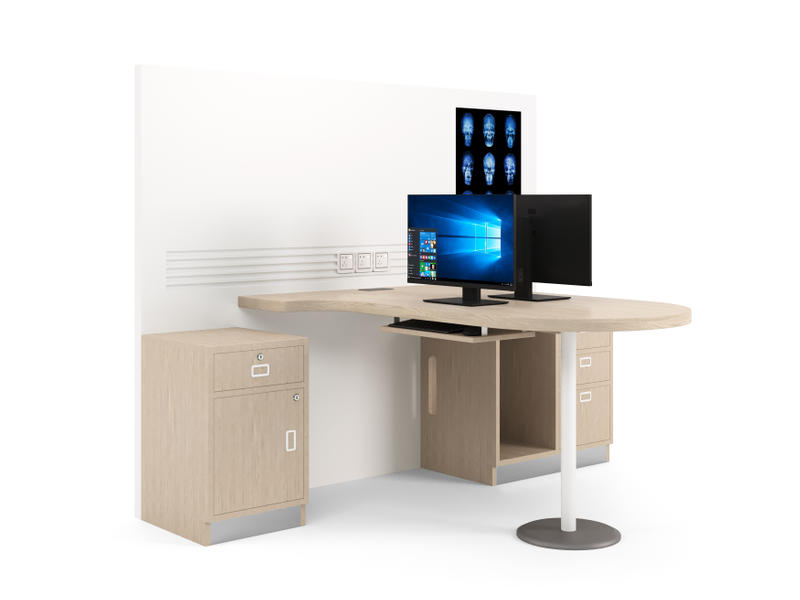
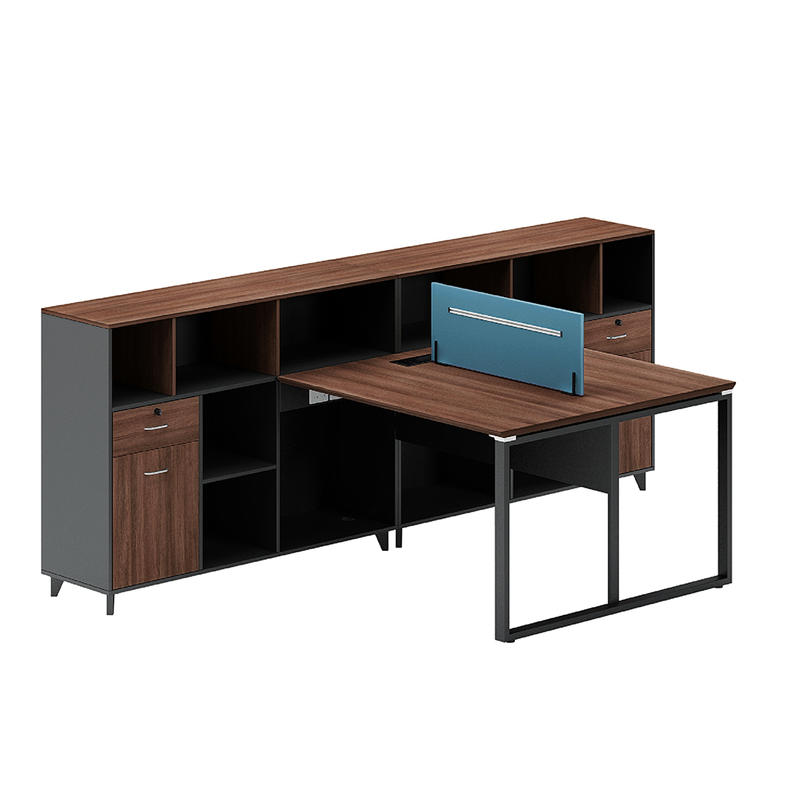
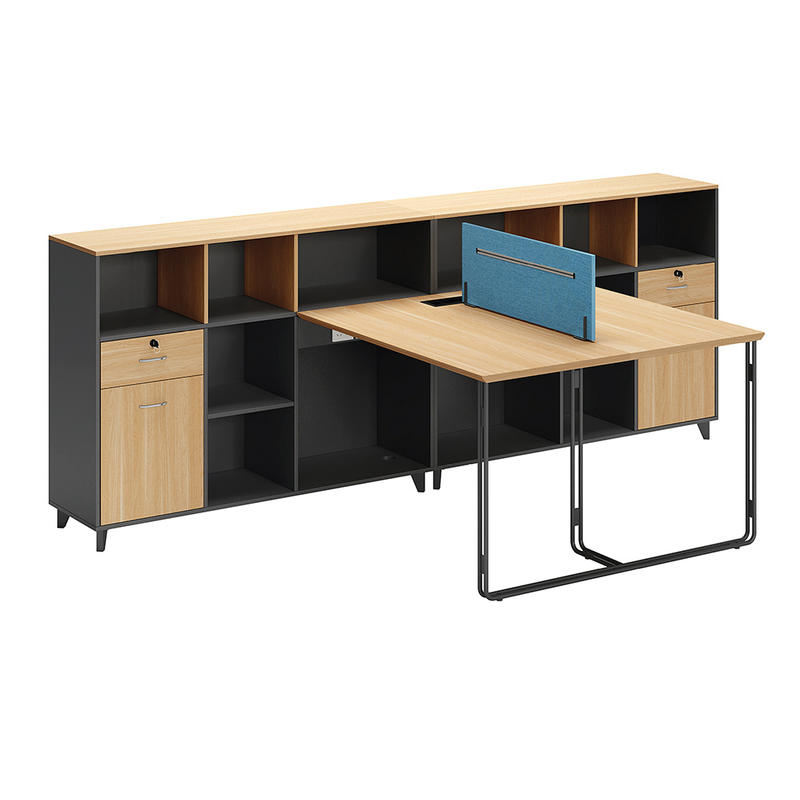
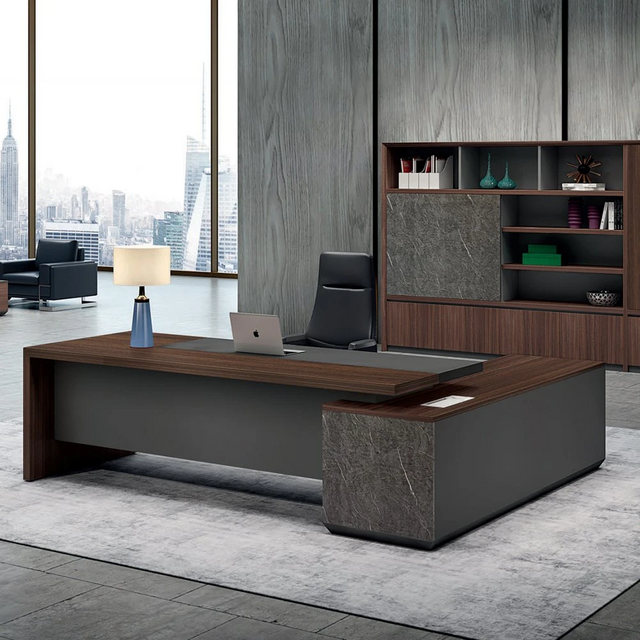
With integrated grommets for power and data cables, the desk ensures a tidy and organized workspace.
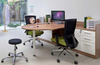
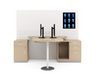
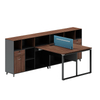
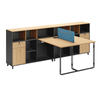
Cuboc's T-shaped Hospital Office Desk for Two Person allows for easy routing of cables, keeping them out of sight and preventing any potential hazards.
The office desk's high-pressure melamine surface not only provides a scratch-resistant and durable work area but also makes it easy to clean and maintain.
This is particularly important in a healthcare setting where cleanliness and hygiene are of utmost importance.
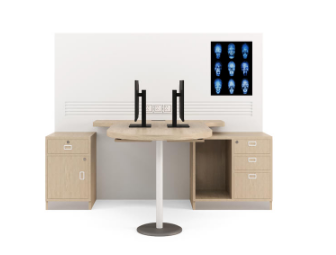
This convenient storage keeps essential materials readily accessible, contributing to a smooth and efficient workflow.
Additionally, the desk offers a choice of drawers, such as a 2-drawer hanging pedestal, 3-drawer pedestal, or a combination of both, providing ample space to store important documents, patient files, and essential supplies.
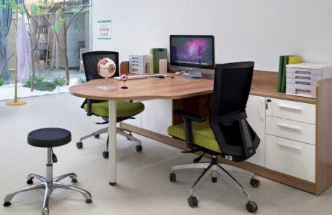
The T-shaped design of the desk promotes collaboration and interaction between healthcare professionals and patients.
This layout allows for a comfortable and inclusive environment during consultations, enhancing the patient experience.

What furniture goes in a hospital patient room? A typical hospital patient room includes a patient bed, bedside cabinet, overbed table, patient seating, visitor seating, personal storage, and selected equipment or technology supports. The exact furniture package varies by acuity, patient population,
What furniture is needed in an emergency department? An emergency department needs furniture for triage, treatment rooms, waiting areas, staff work zones, storage, patient transport, and—where applicable—behavioral health observation. Each area requires furniture selected for patient flow, staff vis
What makes furniture suitable for infection control in healthcare facilities? Infection-control furniture should support routine cleaning and disinfection through smooth, nonporous or fluid-resistant surfaces, sealed or limited joints, accessible geometry, and documented compatibility with the facil
What makes furniture dementia-friendly? Dementia-friendly furniture helps residents remain safer, more comfortable, and more independent by supporting mobility, visual recognition, orientation, and daily routines. The most useful features include stable construction, rounded edges, supportive seatin
What is anti-ligature furniture, and which standards govern behavioral health facilities? Anti-ligature furniture—also referred to as ligature-resistant furniture—is designed to reduce opportunities for a cord, sheet, belt, clothing, or similar material to form a sustainable attachment point that co
Designing furniture for healthcare environments is fundamentally different from designing for hospitality or residential use. The users are more vulnerable, the operational demands are more intense, and the consequences of poor design choices extend far beyond aesthetics. A chair that looks appropri