
Views: 0 Author: Site Editor Publish Time: 2025-12-12 Origin: Site


Designing and furnishing behavioral health facilities requires a specialized approach that balances patient safety, therapeutic healing, and operational efficiency. As a healthcare facility administrator, interior designer, or project contractor, selecting appropriate behavioral health furniture solutions represents one of your most critical infrastructure decisions.
The behavioral health facility sector continues to experience significant growth, driven by increased investment in mental health services and evolving clinical standards. However, sourcing compliant, therapeutic, and durable furniture for mental health environments demands a deep understanding of specialized requirements, safety standards, and evidence-based design principles that distinguish behavioral health procurement from standard healthcare furniture selection.
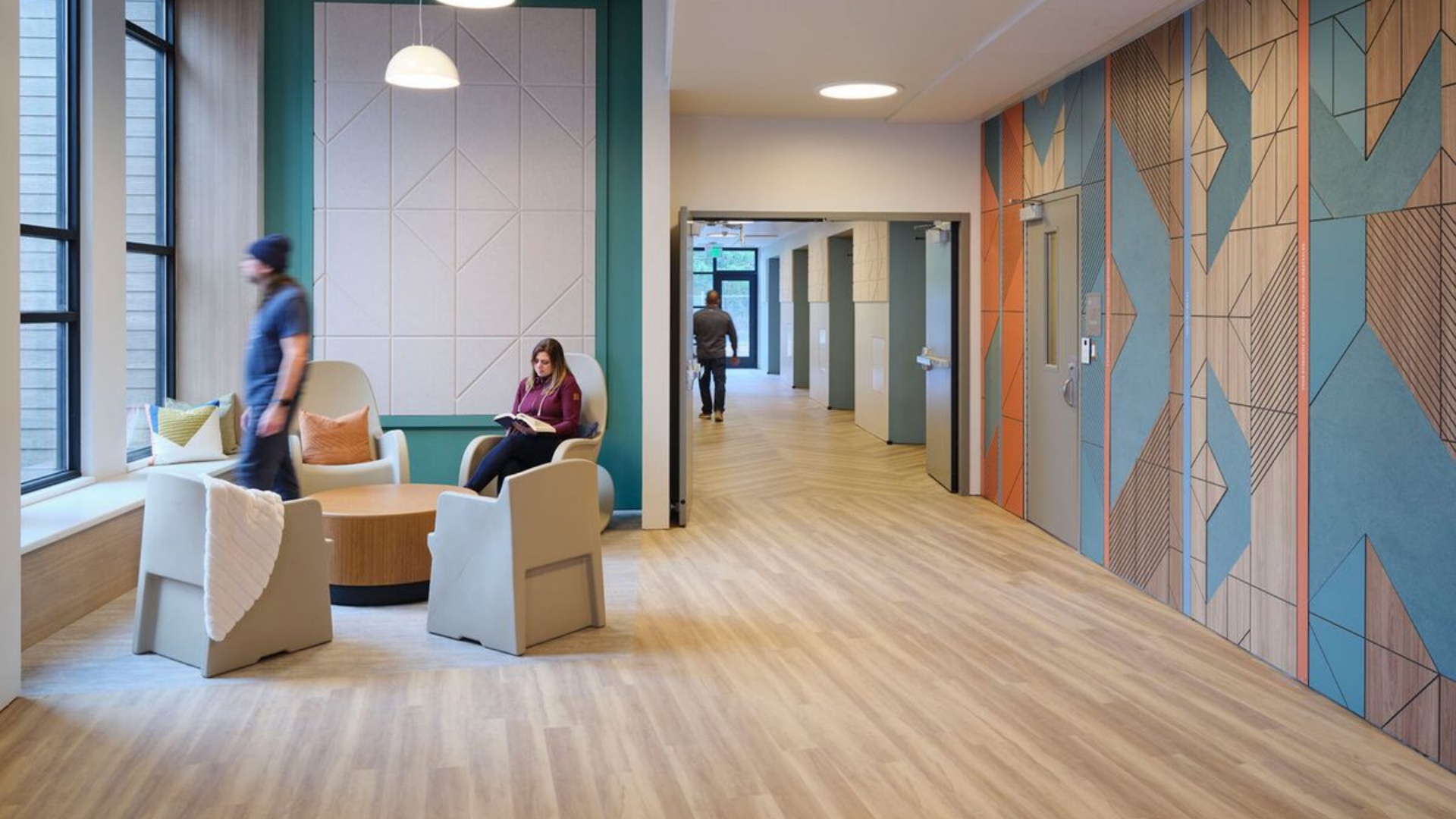
This comprehensive B2B guide provides essential specifications, procurement criteria, compliance standards, and strategic selection processes for specifying behavioral health furniture across psychiatric hospitals, mental health clinics, crisis units, residential treatment facilities, and secure care environments.
The global behavioral health sector demonstrates robust expansion, supported by multiple convergent trends:
Market Drivers:
Mental Health Crisis Recognition - Global mental health disorders affecting 792 million people; projected expansion of 30-40% in service capacity by 2030
Healthcare Infrastructure Investment - Government funding for psychiatric hospital expansion and mental health facility modernization
Integrated Care Models - Transition to comprehensive behavioral health campuses combining inpatient, outpatient, and residential services
Facility Modernization - Replacement of aging psychiatric facilities with evidence-based therapeutic environments
Regulatory Compliance Requirements - Evolving standards for patient safety, staff ergonomics, and therapeutic design
Facility Types and Growth Areas:
Psychiatric Hospitals: Acute inpatient behavioral health care
Mental Health Clinics: Outpatient evaluation, assessment, and treatment
Crisis Stabilization Units: Emergency psychiatric assessment and stabilization
Residential Treatment Facilities: Extended-stay therapeutic environments
Correctional Healthcare: Behavioral health care in prison and detention settings
University/Academic Medical Centers: Training and research-focused facilities
Unique Procurement Challenges:
Safety-First Design - Behavioral health furniture must prioritize safety features without compromising therapeutic atmosphere
Ligature-Resistant Requirements - Specialized anti-ligature designs preventing self-harm in all patient-accessible areas
Regulatory Complexity - Multiple overlapping standards and compliance requirements (state, federal, accreditation)
Clinical Collaboration - Procurement requires input from psychiatrists, nurses, occupational therapists, and security specialists
Long Sales Cycles - Complex decision-making processes with multiple stakeholders and extensive vetting requirements
Behavioral health furniture refers to specialized seating, beds, tables, storage systems, and environmental fixtures designed specifically for behavioral health settings. Unlike standard commercial or healthcare furniture, behavioral health pieces incorporate:
1. Anti-Ligature Design - Elimination of attachment points, tie-off locations, or anchor points that could support ligatures
2. Tamper-Resistant Construction - Resistance to being disassembled, broken apart, or used to create weapons or contraband concealment
3. Weighted and Fixed Design - Sufficient weight and anchoring preventing lifting, throwing, or use as projectiles
4. Smooth, Continuous Surfaces - Elimination of sharp edges, seams, cavities, or concealment spaces
5. Durable, Cleanable Materials - Support for frequent disinfection without material degradation
6. Therapeutic Aesthetics - Design supporting healing and dignity without clinical harshness
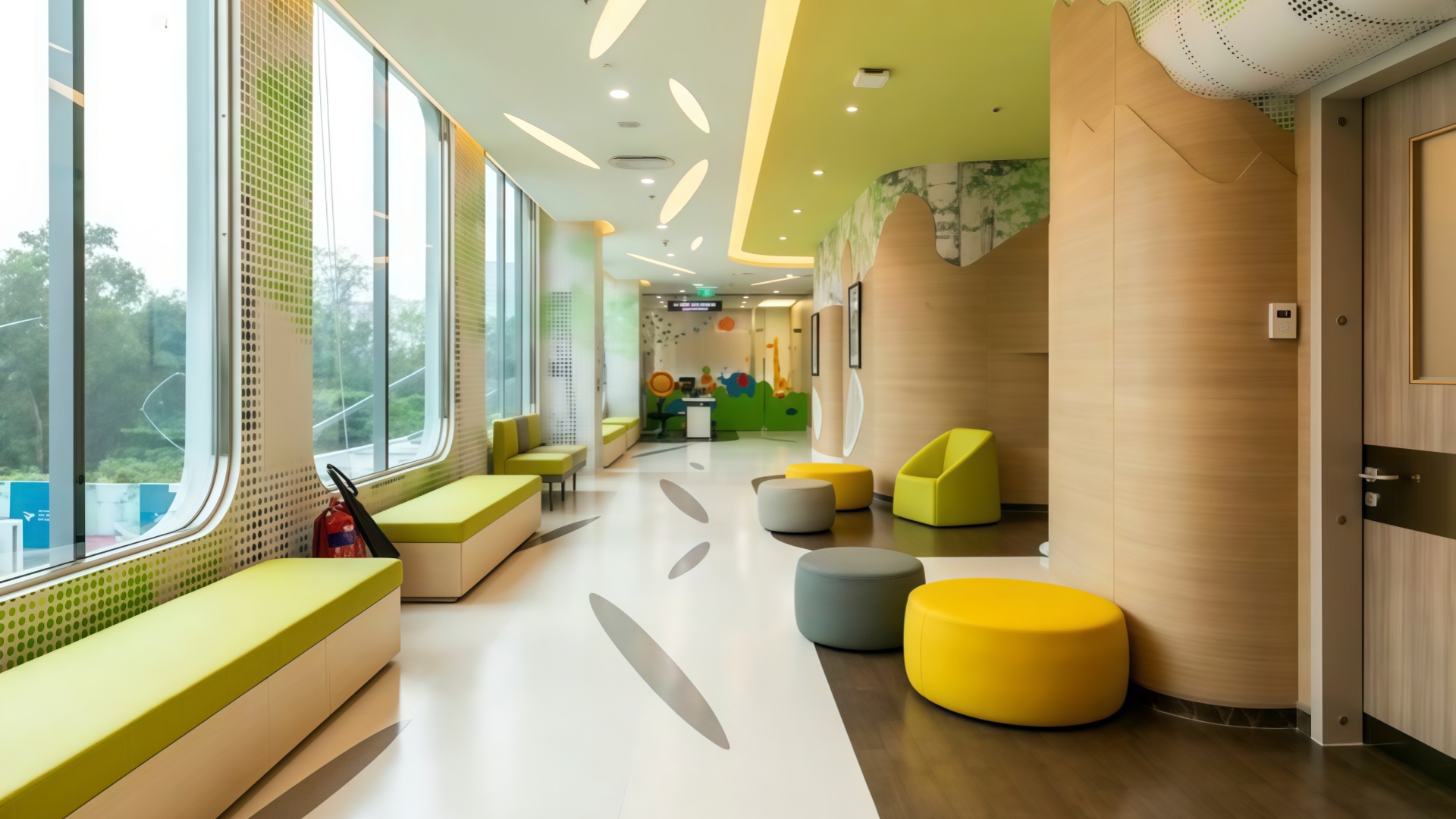
Behavioral health facilities implement risk-level design approach, with furniture specifications varying by area risk classification:
Level 1 - Staff/Administrative Areas (Low Risk):
Offices, staff break rooms, administrative spaces
Standard commercial furniture acceptable
Minimal specialized requirements
Level 2 - Supervised Clinical Areas (Low-Medium Risk):
Exam rooms, assessment areas, group therapy spaces
Heavy staff supervision and visibility
Basic tamper-resistant features; limited anti-ligature requirements
Level 3 - General Patient Areas (Medium Risk):
Lounges, dining areas, activity spaces
Open, visible environments; moderate supervision
Baseline tamper-resistant and anti-ligature design required
Psych ward chairs and seating in this category must prevent concealment
Level 4-5 - High-Risk Areas (High Risk):
Seclusion/observation rooms, intake areas
Bedrooms, bathrooms (highest risk locations)
Minimal or no unsupervised time
Fully ligature-resistant, anti-concealment design mandatory
Fixed furniture preventing movement or stacking
Critical Finding: Research demonstrates bathroom and toilet areas represent highest-risk zones in behavioral health facilities, requiring most rigorous safety specifications.
Essential Safety Features:
| Feature | Specification | Purpose |
No Seams or Joints | Continuous, welded construction | Prevents concealment/attachment |
Rounded Edges/Corners | 6mm minimum radius all exposed edges | Prevents sharp edges causing injury |
No Protrusions | Recessed handles, integrated hardware | Prevents ligature attachment points |
Fixed Hardware | Welded, riveted, or encapsulated fasteners | Tamper-resistant, non-removable |
Sealed Surfaces | Continuous material without cavities | Prevents contraband concealment |
No Moving Parts | Fixed backs, seats, armrests | Prevents pinch points or entrapment |
Secure Anchoring | Bolted or welded to floor/wall | Prevents lifting, throwing, stacking |
Behavioral Health Furniture Specifications:
Minimum Weight Capacity: 350-400 pounds (typical patient + safety margin)
Heavy-Duty Capacity: 500+ pounds (for diverse patient populations)
Durability Testing: 200,000+ cycle minimum (vs. 100,000 standard office)
Abuse Resistance: Designed to withstand intentional damage attempts
Repair Philosophy: Engineered for maintainability while preserving safety features
Upholstery Performance Requirements:
| Specification | Requirement | Standard |
Cleanability | Wipeable, non-absorbent surfaces | Critical for infection control |
Antimicrobial Protection | Integrated antimicrobial treatment | ASTM E2149 testing |
Fluid Resistance | Blood/bodily fluid resistance | Healthcare standard requirement |
Abrasion Resistance | Wyzenbeek 100,000+ cycles | Exceeds commercial standard |
Stain Resistance | Class A (AATCC 8) | Prevents permanent marking |
Flammability | CAL TB 133 compliance | State/federal fire code |
Chemical Resistance | Disinfectant resistant | Support frequent cleaning protocols |
Material Selection:
Vinyl/PVC - Most common (cleanable, durable, non-absorbent)
Medical-Grade Polyurethane - Premium option (aesthetic, durable)
Solid-Core Composite - Innovative option (integrated safety features)
Powder-Coated Metal - Frames (cleanable, corrosion-resistant)
FDA Classification:
Some behavioral health furniture classified as medical devices
510(k) clearance pathway common for novel designs
Quality System Regulation (QSR) compliance required
California TB 133 Flammability Testing (most stringent)
State mental health licensing standards
Building code and fire safety requirements
Specific state department of health regulations
NFPA and Fire Safety:
NFPA 260 - Flame testing of materials
NFPA 101 - Life safety code
UL Standards - Safety testing and certification
Healthcare Standards:
ADA (Americans with Disabilities Act) - Accessibility requirements
Joint Commission Standards - Accreditation requirements
CMS Conditions of Participation - Medicare/Medicaid requirements
Specialized Guidelines:
The Norix Furniture White Paper - Industry best practices for behavioral health
Design Guidance for Psychiatric Intensive Care Units - Evidence-based design standards
Psychiatric Intensive Care Unit Design (NAPICU) - International standards
Center for Health Design Resources - Therapeutic environment guidance
Behavioral Health Accreditation:
The Joint Commission (TJC) - Behavioral health accreditation
SAMHSA (Substance Abuse and Mental Health Services Administration) - Federal oversight
State Licensing Boards - Varying by jurisdiction
Specialty Certifications - Trauma-informed, recovery-oriented design standards
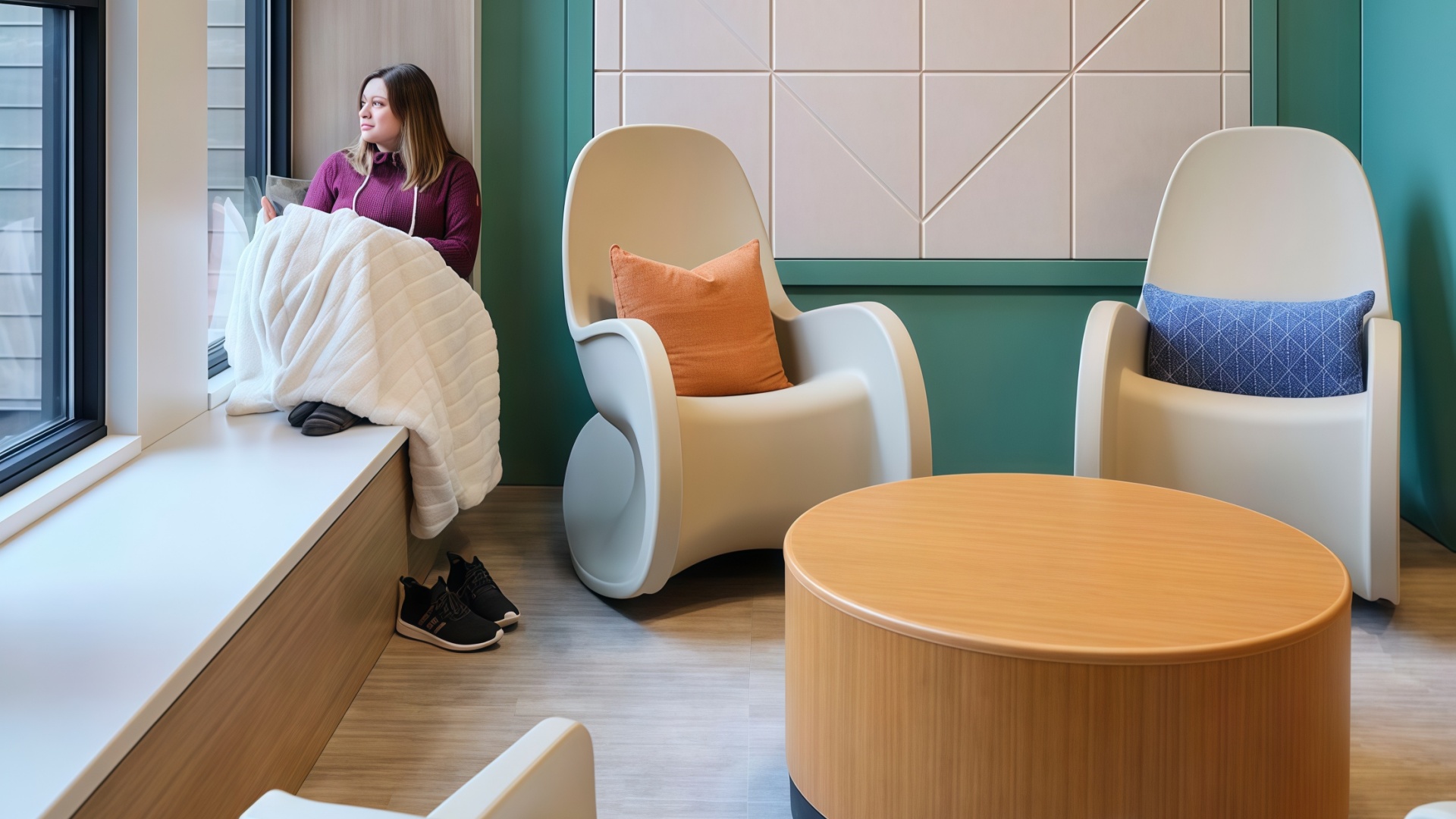
Specifications:
Weight capacity: 350-500 pounds
Design: Fixed back, fixed arms, welded construction
Features: No ligature points, rounded edges, sealed surfaces
Materials: Medical-grade vinyl upholstery, powder-coated steel frame
Anchoring: Floor-mounted or wall-mounted options
Cleaning: Wipeable, antimicrobial upholstery
Applications: Patient lounges, dayrooms, activity spaces, group therapy areas
Unit Cost Range: USD 1,200-2,200 per chair
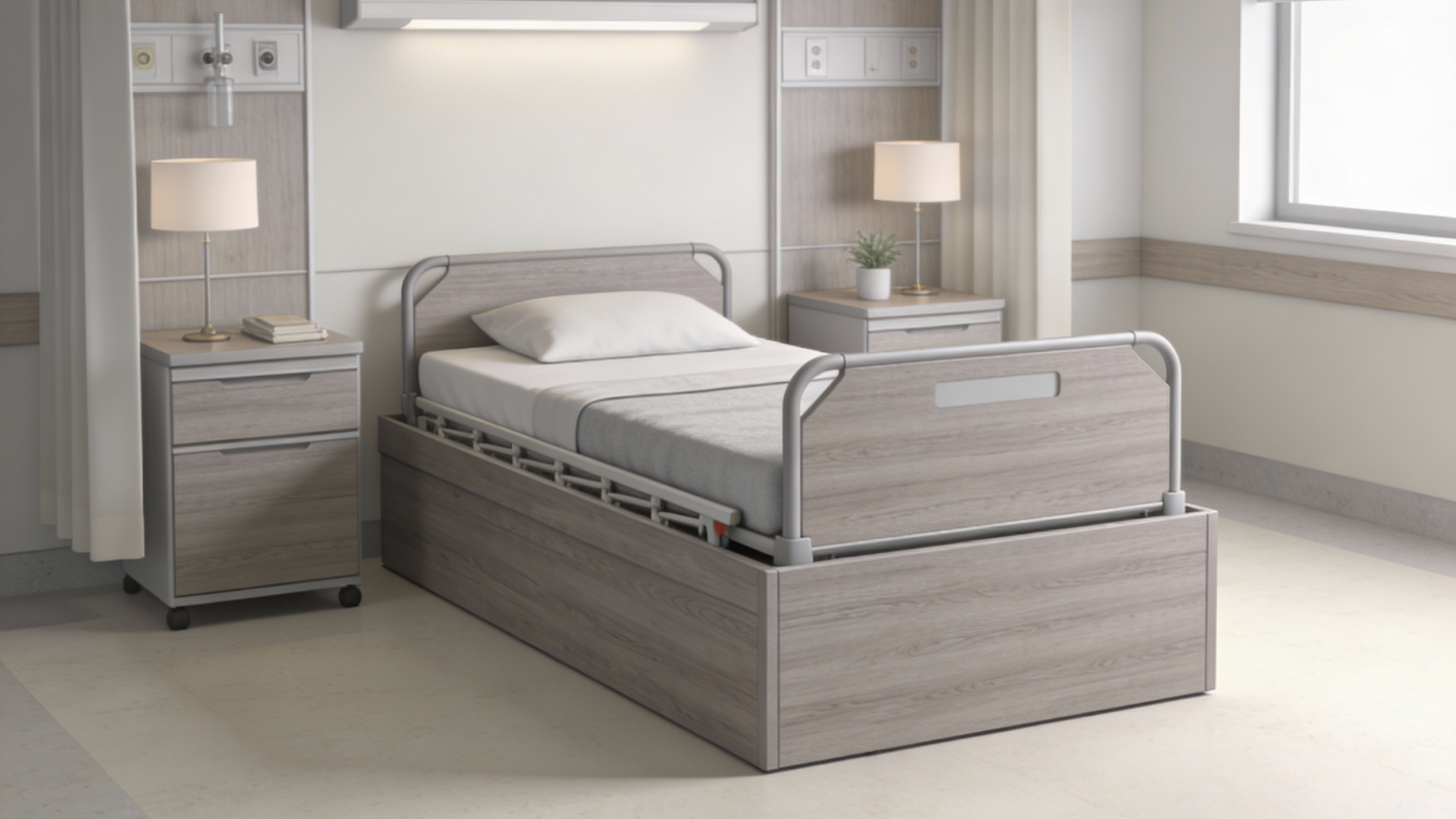
Specifications:
Fixed, non-adjustable frame design (most common)
Anti-ligature mattress enclosure system
Smooth under-bed access without concealment spaces
Sealed, tamper-resistant construction
Antimicrobial mattress covering
Options: Low-profile design for high-risk areas
Applications: Patient bedrooms, observation rooms, seclusion areas
Unit Cost Range: USD 2,500-4,500 per bed system
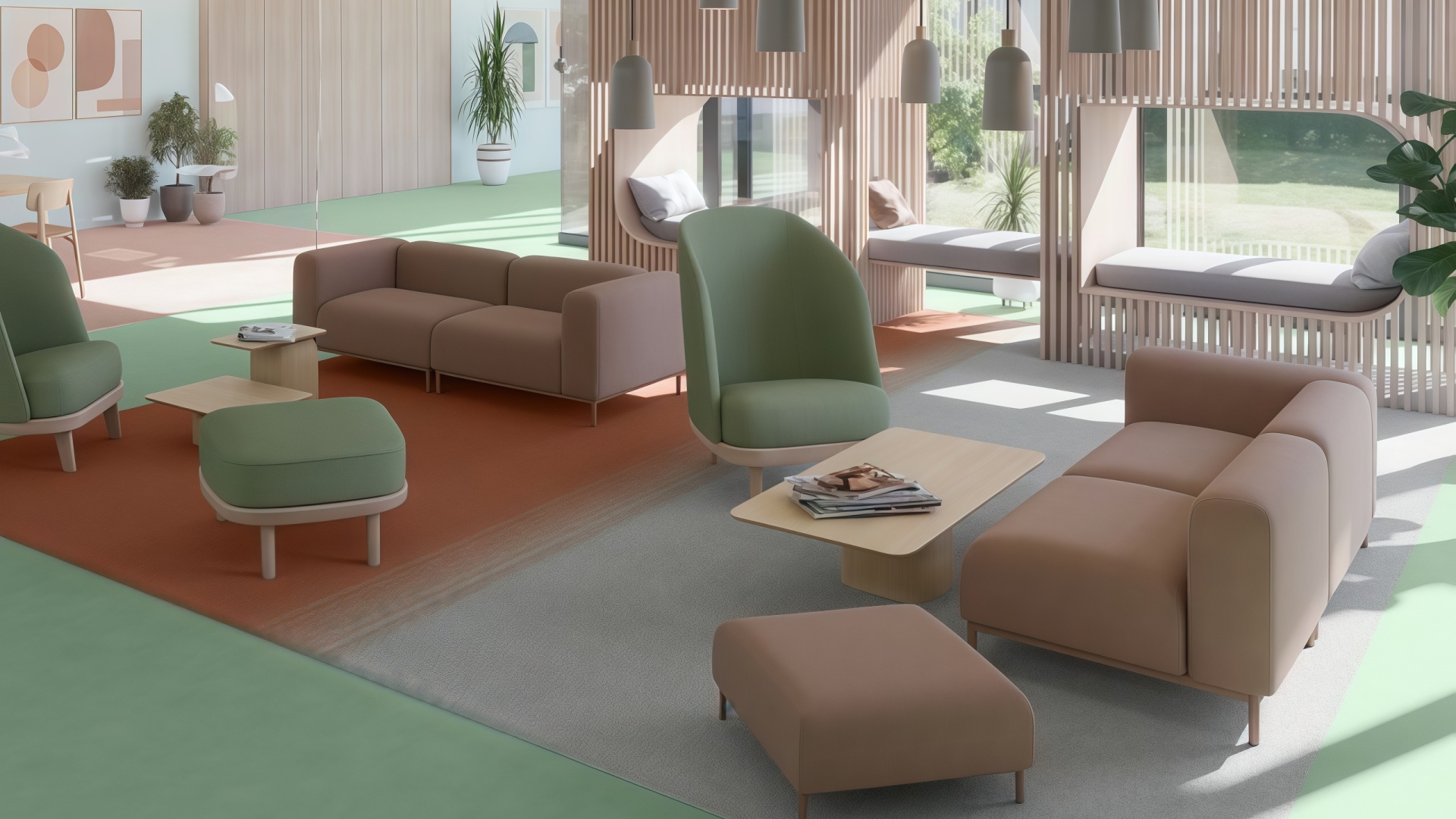
Specifications:
Weighted design preventing lifting
Fixed components (no adjustable features)
Closed-base design (no storage underneath)
Multiple seating options (chairs, benches, tables)
Modular capability for space reconfiguration
Welded or integrated construction
Applications: Therapy spaces, recreation areas, dining facilities, art/craft rooms
Unit Cost Range: USD 800-2,000 per piece (varies by type)
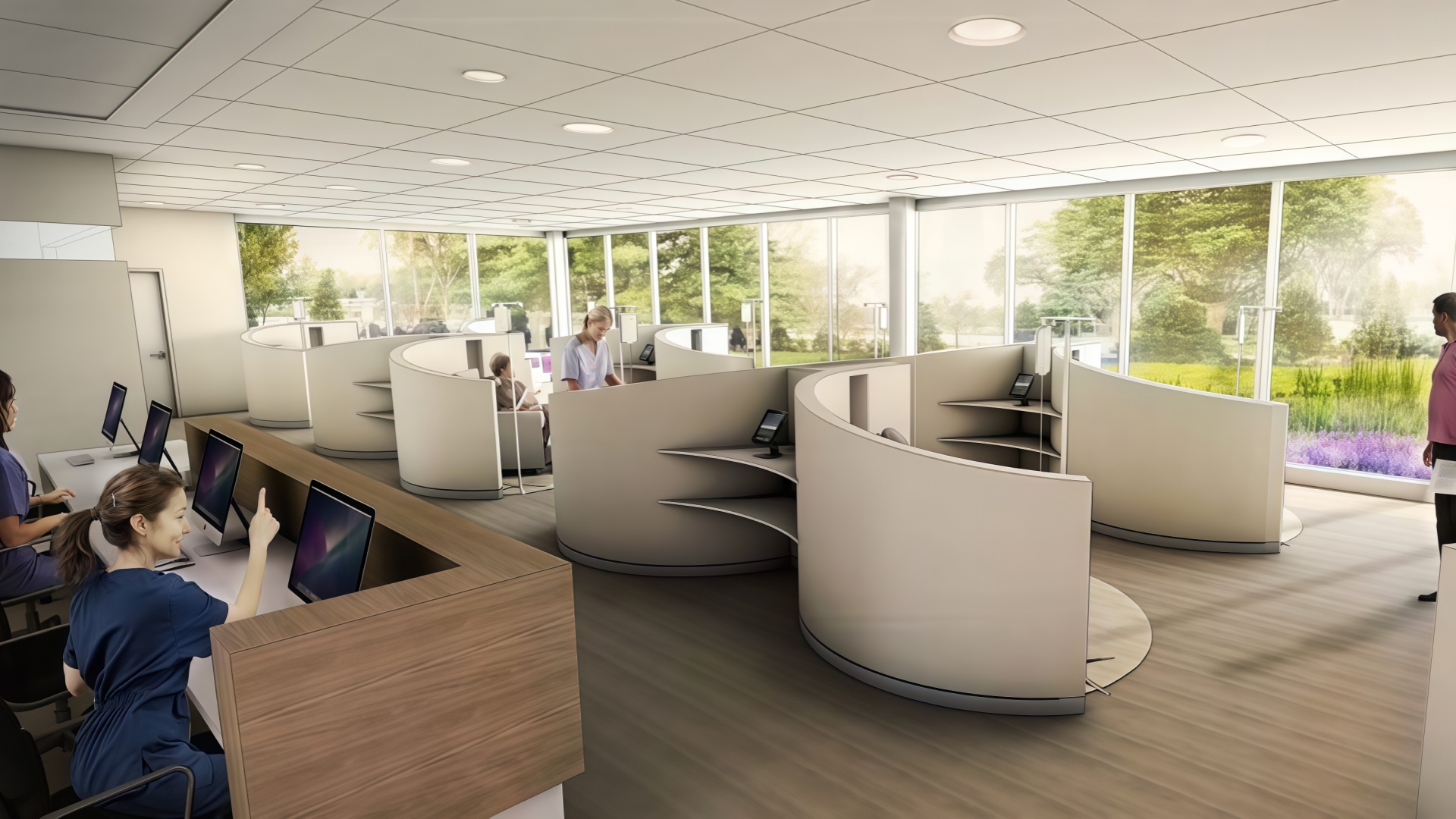
Specifications:
Maximum anti-ligature and anti-concealment design
Fully sealed construction with no moving parts
Heavy-gauge steel or reinforced composite materials
Permanent anchoring to structure
Designed specifically for seclusion/observation rooms
Often custom-fabricated for specific space requirements
Applications: Seclusion rooms, restraint observation areas, high-acuity units, intake areas
Unit Cost Range: USD 3,000-8,000+ per piece
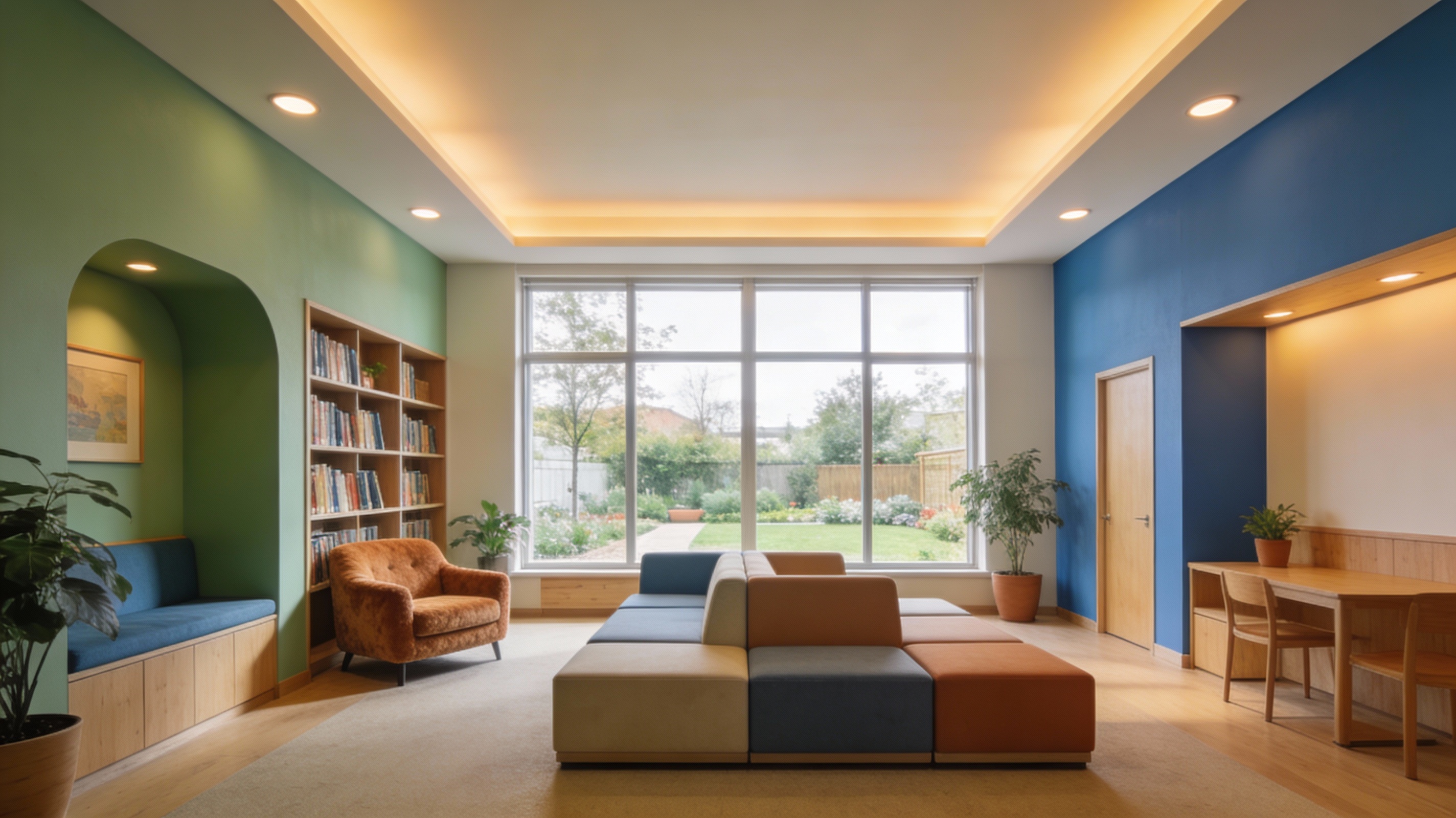
Lighting Design:
Soft, natural lighting preferred over harsh fluorescent
Dimmable controls supporting different therapeutic activities
Warm color temperature (3000K-4000K) supporting relaxation
Elimination of glare reducing sensory overstimulation
Color Palettes:
Calming, warm tones (soft greens, blues, earth tones)
Avoidance of institutional whites and stark contrasts
Personalization opportunities (patient artwork, memory items)
Accent colors supporting wayfinding and space differentiation
Spatial Organization:
Clear wayfinding reducing confusion and stress
Privacy zones supporting self-regulation
Open sightlines enabling staff supervision without intrusive monitoring
Zones supporting different activity types (active, quiet, therapeutic)
Biophilic Design Elements:
Access to natural light and views of nature
Living plants (non-toxic, securely mounted)
Natural materials in furnishings and finishes
Connection to outdoor spaces when possible
Step 1: Risk Assessment
Evaluate patient acuity levels and diagnoses
Identify high-risk areas requiring maximum safety features
Assess supervision levels and staffing patterns
Determine level-specific furniture requirements (1-5 classification)
Step 2: Spatial Planning
Document room dimensions and layout
Assess traffic patterns and visibility requirements
Determine seating/furniture quantity needed per area
Plan for flexibility and reconfiguration needs
Step 3: Stakeholder Engagement
Psychiatrists and clinical staff input
Nursing and direct care staff perspectives
Occupational therapy recommendations
Facility leadership and safety concerns
Patient/family input on therapeutic needs
Essential Vendor Qualifications:
1. Specialized Experience - Verifiable history in behavioral health settings
2. Safety Verification - Clear documentation of anti-ligature design, testing protocols
3. Regulatory Compliance - Certifications for relevant standards (CAL TB 133, ADA, etc.)
4. Product Durability - Evidence of performance in similar settings
5. Customization Capability - Ability to adapt designs for specific facility needs
6. Service Support - Local service availability, repair/maintenance support
7. Training and Support - Staff education on proper furniture use and maintenance
Red Flags:
✗ Vague or unsubstantiated "psych-safe" claims
✗ Limited experience in behavioral health
✗ Inability to provide independent testing documentation
✗ Generic commercial furniture adapted for behavioral use
✗ Poor references or limited verifiable installations
Balancing Safety and Dignity:
Furniture should never appear punitive or overly restrictive
Therapeutic environments support recovery and hope
Design should normalize patient experience where possible
Staff well-being equally important (proper ergonomics, efficient workflows)
Customization for Specific Programs:
Acute psychiatric units vs. long-term residential
Adult vs. adolescent vs. geriatric considerations
Trauma-informed vs. standard design approaches
Substance abuse vs. psychiatric primary diagnoses
| Category | Quantity | Unit Cost | Total |
Anti-Ligature Seating | 80 | USD 1,500 | USD 120,000 |
Behavioral Health Beds | 40 | USD 3,500 | USD 140,000 |
Therapeutic/Activity Furniture | 60 | USD 1,200 | USD 72,000 |
Tables and Work Surfaces | 20 | USD 1,800 | USD 36,000 |
Storage and Organization | 15 | USD 2,000 | USD 30,000 |
Custom/Specialty Pieces | — | — | USD 25,000 |
Installation and Setup | — | — | USD 15,000 |
PROJECT TOTAL | — | — | USD 438,000 |
Cost Management Strategies:
1. Phased Implementation - Spread procurement over 24-36 months
2. Standardization - Select fewer vendors/models to achieve volume pricing
3. Group Purchasing - Healthcare system-wide procurement for negotiating power
4. Refurbishment Programs - Selective reupholstering of existing pieces
5. Lease vs. Purchase - Evaluate long-term lease agreements vs. ownership
Successful procurement of behavioral health furniture requires integration of specialized knowledge, clinical collaboration, regulatory understanding, and vendor relationships. By implementing the comprehensive specifications, standards, and procurement strategies outlined in this guide, healthcare leaders can confidently specify therapeutic environments that support patient healing, enhance staff safety and efficiency, ensure regulatory compliance, and deliver sustainable long-term value.
Key Success Factors:
✓ Comprehensive risk assessment and area classification
✓ Multi-stakeholder engagement including clinical staff
✓ Vendor selection based on behavioral health specialization and verifiable safety
✓ Specification precision matching therapeutic and safety needs
✓ Phased implementation supporting operational continuity
✓ Staff training emphasizing both patient dignity and facility safety
Strategic Investment Perspective: Behavioral health furniture represents a critical investment in patient dignity, therapeutic recovery, and clinical safety—supporting evidence-based care delivery and regulatory compliance in one of healthcare's most complex and important service lines.
Next Steps: Conduct comprehensive facility assessment, engage qualified specialized vendors, establish procurement timeline with clinical stakeholders, and develop detailed specification document aligned with your facility's risk profile and therapeutic mission.


