| Dimensions: | |
|---|---|
| Material: | |
| Color: | |
| Weight capacity: | |
| Availability: | |
| Quantity: | |

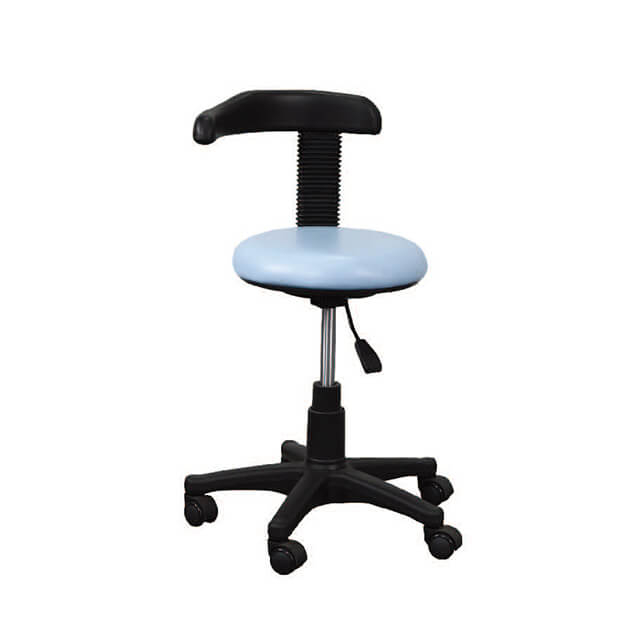
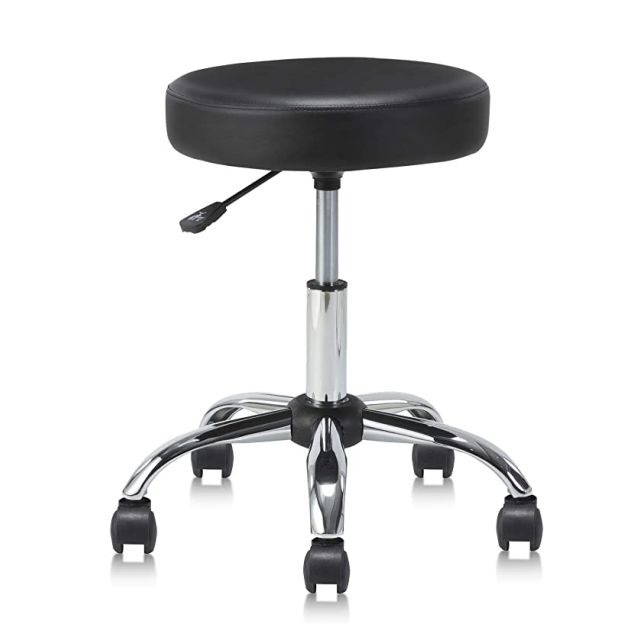
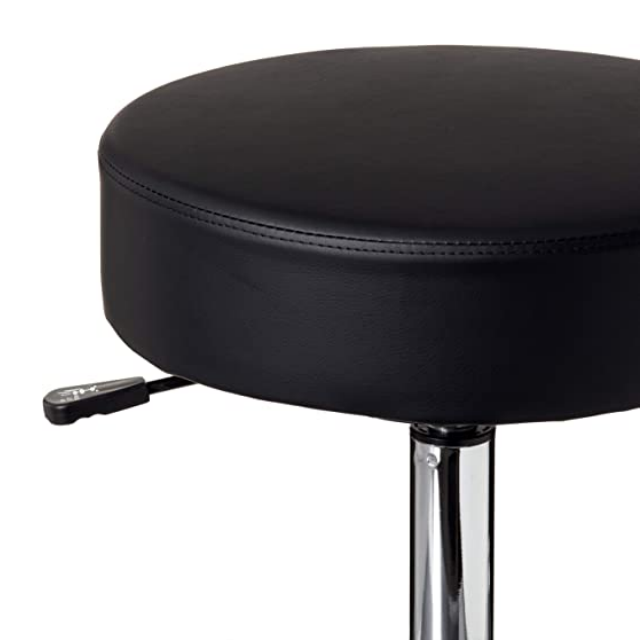
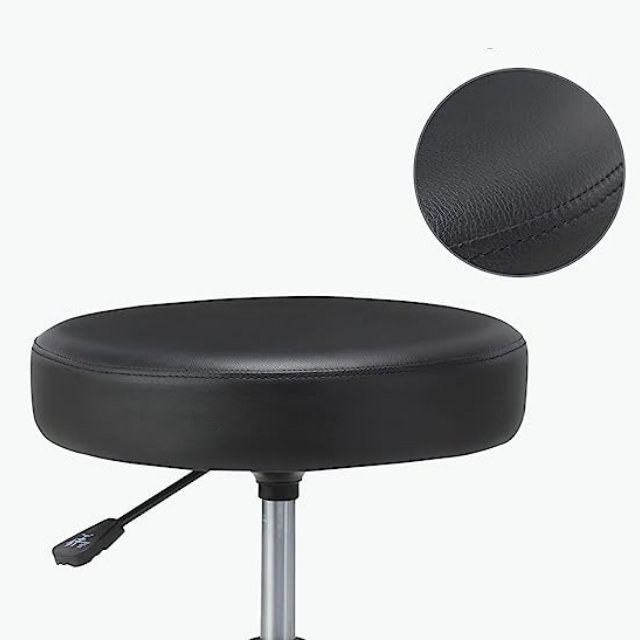
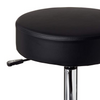
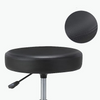
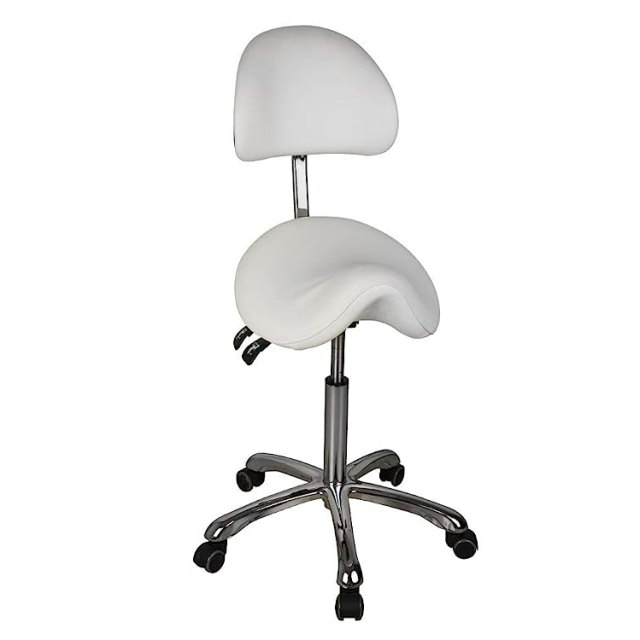
The backless office chair, with its ergonomic design and versatile features, serves as a practical seating option in hospital settings.
Healthcare professionals in hospitals often require seating that promotes an upright posture and allows for easy movement and maneuverability.
The backless chair's design encourages active sitting, engaging core muscles and providing freedom of movement.
It enables healthcare providers to maintain proper posture while attending to their tasks, whether at a desk, workstation, or in collaborative settings.

The chair offers adjustable seat height, allowing users to customize their seating position within a 6" vertical range.
This adjustable feature is made possible by the gas lift mechanism, providing ergonomic benefits and enhancing comfort.
In hospital environments, where healthcare professionals work at varying heights and need to adapt to different tasks, the adjustable seat height feature ensures optimal ergonomics and facilitates efficient work.

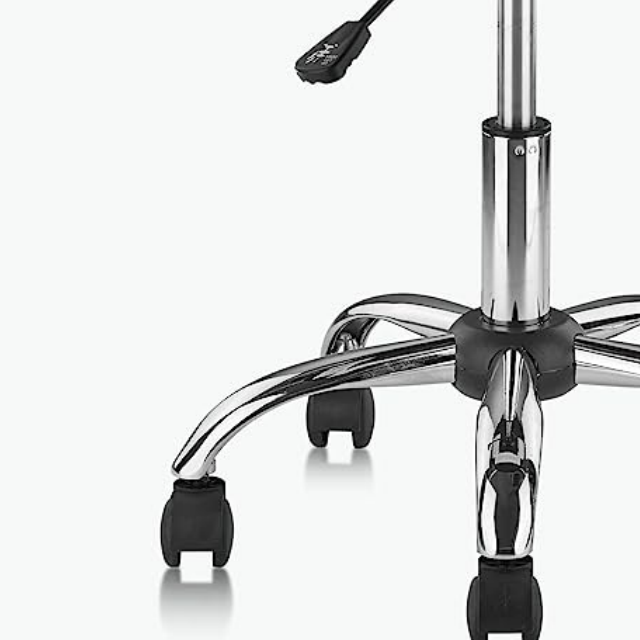
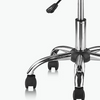
The chair is equipped with dual wheel casters, allowing for easy movement within the workspace.
Its attractive chrome finish on the base and gas lift adds a touch of style.
The high-strength steel frame ensures stability and durability, with a focus on resistance to pressure and wear.
These moveable features make the chair suitable for hospital environments, where mobility and durability are essential for healthcare professionals who need to navigate between workstations and communicate with colleagues effectively.
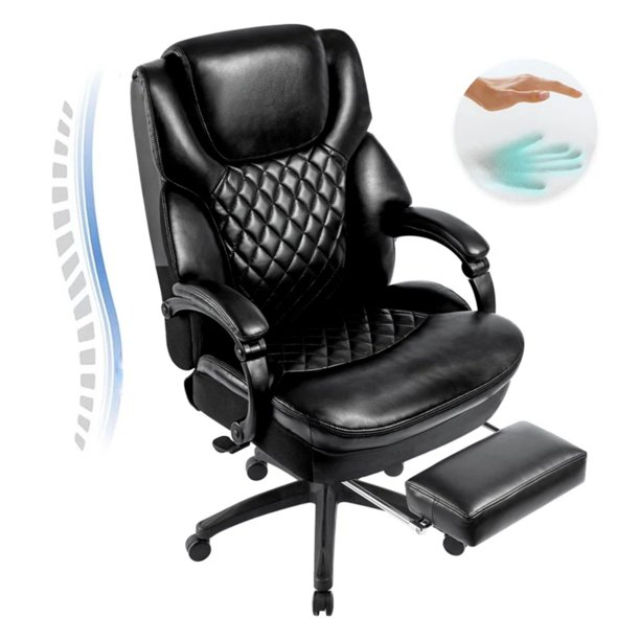
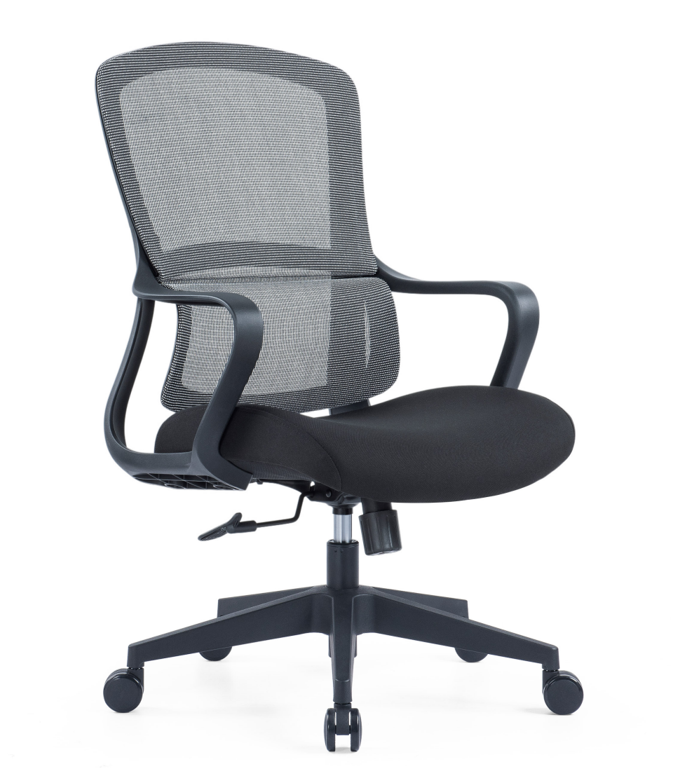
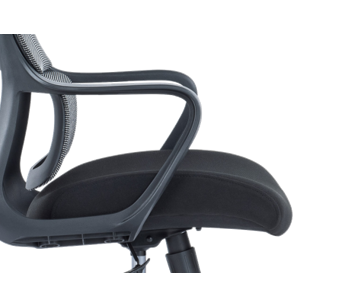
The chair allows recline adjustment from 105 degrees to a maximum of 125 degrees.
It features a single-lock butterfly base that quickly and easily locks the desired recline angle.
The recline function of the chair enables users to switch between different states such as working, resting, and reading.
By unlocking the recline, users can effortlessly select the most comfortable angle, providing a relaxed and comfortable sitting experience.
Additionally, the chair offers customization options, such as the ability to add a backrest, providing additional support and comfort as needed.
This customization feature allows healthcare providers to personalize their seating experience based on their individual preferences and ergonomic requirements.

The backless office chair, with its ergonomic design and versatile features, serves as a practical seating option in hospital settings.
Healthcare professionals in hospitals often require seating that promotes an upright posture and allows for easy movement and maneuverability.
The backless chair's design encourages active sitting, engaging core muscles and providing freedom of movement.
It enables healthcare providers to maintain proper posture while attending to their tasks, whether at a desk, workstation, or in collaborative settings.

The chair offers adjustable seat height, allowing users to customize their seating position within a 6" vertical range.
This adjustable feature is made possible by the gas lift mechanism, providing ergonomic benefits and enhancing comfort.
In hospital environments, where healthcare professionals work at varying heights and need to adapt to different tasks, the adjustable seat height feature ensures optimal ergonomics and facilitates efficient work.

The chair is equipped with dual wheel casters, allowing for easy movement within the workspace.
Its attractive chrome finish on the base and gas lift adds a touch of style.
The high-strength steel frame ensures stability and durability, with a focus on resistance to pressure and wear.
These moveable features make the chair suitable for hospital environments, where mobility and durability are essential for healthcare professionals who need to navigate between workstations and communicate with colleagues effectively.
The chair allows recline adjustment from 105 degrees to a maximum of 125 degrees.
It features a single-lock butterfly base that quickly and easily locks the desired recline angle.
The recline function of the chair enables users to switch between different states such as working, resting, and reading.
By unlocking the recline, users can effortlessly select the most comfortable angle, providing a relaxed and comfortable sitting experience.
Additionally, the chair offers customization options, such as the ability to add a backrest, providing additional support and comfort as needed.
This customization feature allows healthcare providers to personalize their seating experience based on their individual preferences and ergonomic requirements.
In the past, walking into a hospital felt like entering a laboratory—cold white walls, flickering fluorescent lights, and sterile plastic chairs. But if you visit a top-tier private clinic in Dubai, London, or Singapore today, you might think you've accidentally checked into a Ritz-Carlton.The "Hosp
Let's be honest. You've seen the invoices. You've sat in the waiting rooms. You've probably looked at a basic-looking, clinical-blue plastic stool in an exam room and thought: “This is a scam.”How can a piece of furniture that looks like it belongs in a 1990s high school cafeteria cost $2,000, while
The Problems with Traditional Healthcare Furniture: A Comprehensive Industry AnalysisIntroductionThe healthcare furniture industry has operated under the same fundamental design principles for decades, prioritizing institutional efficiency and cost control over patient dignity, worker ergonomics, an
Creating a truly wheelchair-accessible hospital environment requires far more than simply checking boxes on an accessibility compliance checklist. Healthcare facilities across the country claim to meet accessibility standards while simultaneously failing patients who depend on wheelchairs for mobili
The choice between patient ward accommodations and private room setups represents one of the most significant decisions in healthcare facility design and patient experience management. This distinction goes far beyond simple aesthetic preferences—it fundamentally impacts recovery outcomes, infection
Family members staying overnight in hospital rooms face a critical furniture crisis that directly impacts patient recovery and caregiver well-being. When patients require hospitalization—whether in maternity wards, pediatric ICUs, psychiatric units, or long-term care facilities—their loved ones ofte