 |
loading


| Color: | |
|---|---|
| Material : | |
| Adjustable Height Range: | |
| Availability: | |
| Quantity: | |
HY-SS001
Cuboc

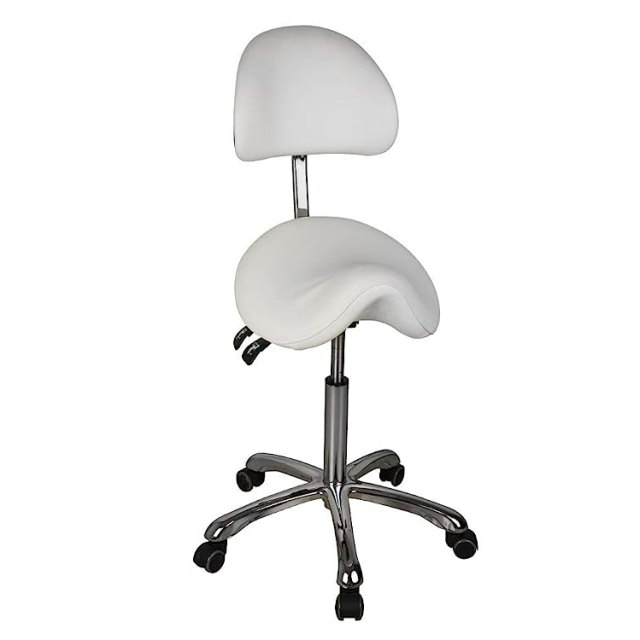
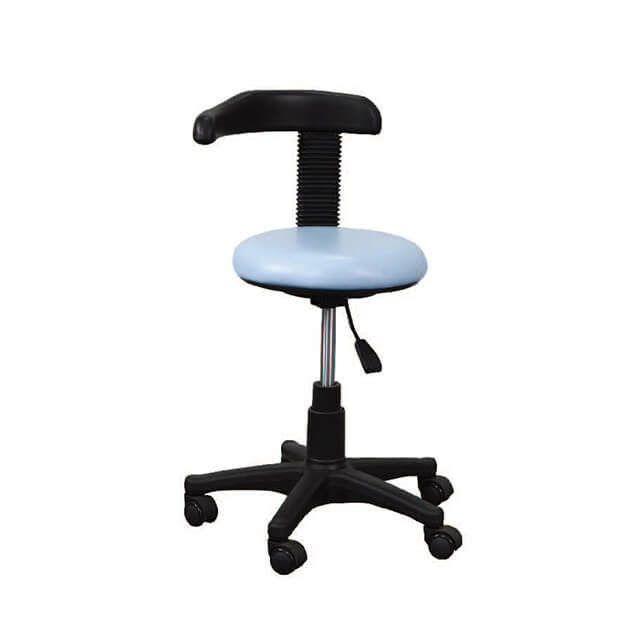
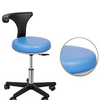
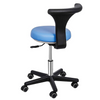
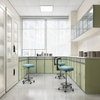
Meticulously crafted with an ergonomic design that mirrors the natural curvature of the spine, this ergonomic stool with backrest is your ultimate ally in increasing comfort and productivity during demanding lab tasks.
The supportive backrest becomes your trusted companion, offering care to your waist, back, and neck, effectively alleviating fatigue and ensuring you can focus on your vital work.

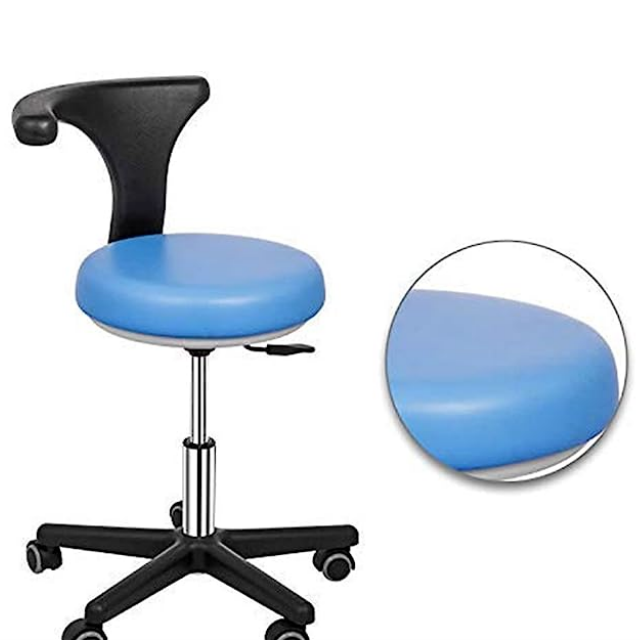
Crafted with precision, our chair features a fusion of premium materials such as PU leather or microfiber leather, complemented by high-density rebound foam and a robust injection plastic board.
This remarkable construction ensures not only supreme comfort but also unparalleled durability that can withstand the rigors of a busy hospital lab.
Additionally, the chair's easy maintenance and cleaning capabilities guarantee a hygienic environment, aligning perfectly with the stringent standards of the medical field.

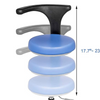
Flexibility is at your fingertips with the chair's adjustable height functionality.
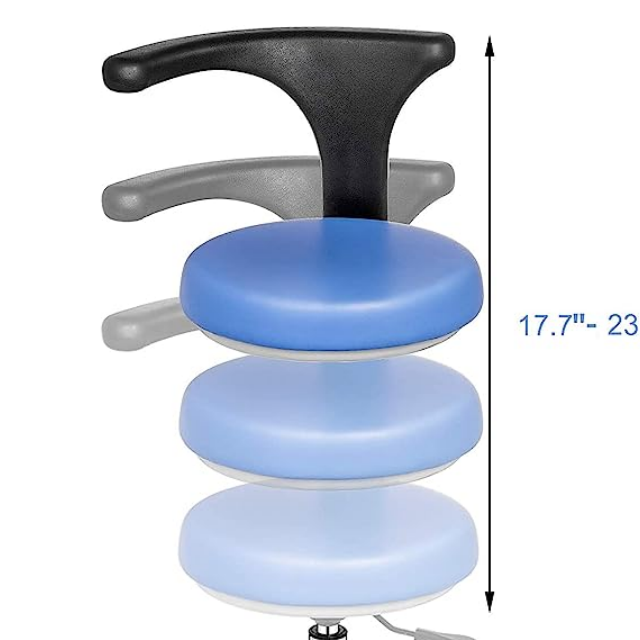
Ranging from 17.7" to 23.2", this feature allows you to find your ideal position, accommodating various body types and preferences.
By ensuring optimal posture and providing a comfortable resting place for your legs, our adjustable lab stool with backrest empowers you to navigate through long lab sessions with ease and efficiency.

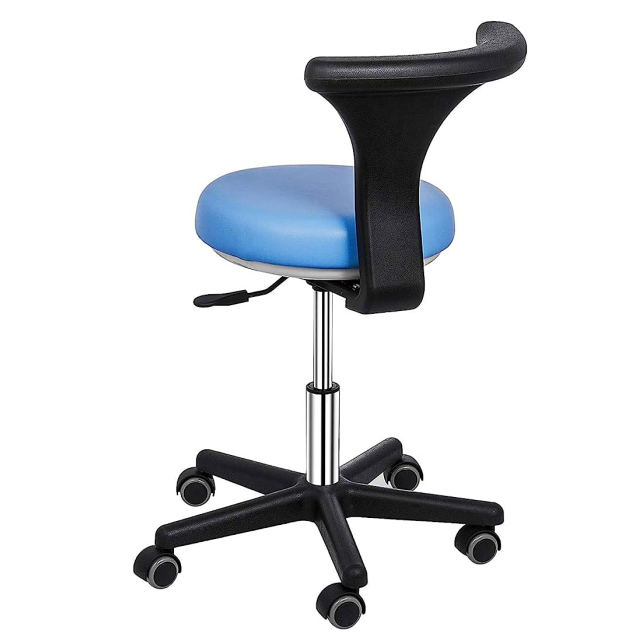
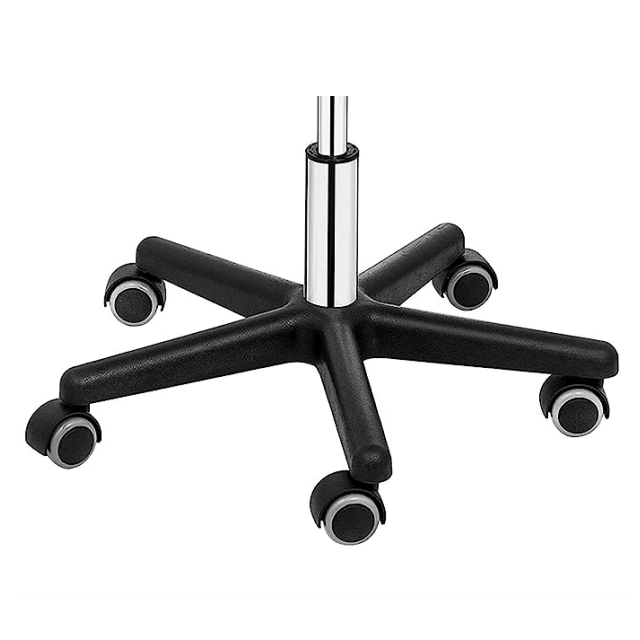
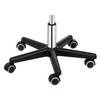
Effortlessly glide through your hospital lab with our chair's silent and robust PU casters.
Designed to protect delicate floors while offering superior durability, these casters provide exceptional abrasion resistance and emit minimal noise during movement.
The 360° rotation capabilities grant you the freedom to navigate your workspace effortlessly, supporting seamless collaboration and enabling you to accomplish tasks with precision and grace.

What materials are best for healthcare waiting room furniture? Healthcare waiting room seating should be selected for cleanability, chemical compatibility, durability, comfort, accessibility, and maintenance. Molded polymer, healthcare-grade vinyl or polyurethane, and selected performance textiles c

What is ligature-resistant furniture? Ligature-resistant furniture is designed to reduce opportunities for cords, sheets, clothing, ropes, or similar materials to create a sustainable attachment point that could contribute to self-harm. It is one component of a broader behavioral health safety strat

How big should a dental operatory be, and what furniture does it need? FGI's 2022 dental-facility update removed the previous 80-square-foot minimum operatory floor area while retaining 2 feet 8 inches of clearance on all sides of the dental chair. Many general-dentistry practices plan around a 10 ×

What furniture is needed in an outpatient exam room? A typical outpatient exam room includes an exam table, clinician stool, patient or visitor seating, work surface or workstation, secure storage, handwashing access, medical-supply support, and appropriate lighting or technology supports. The final
What is behavioral health furniture? Behavioral health furniture is designed for psychiatric hospitals, behavioral health units, substance-use treatment facilities, crisis-stabilization centers, and other patient-care environments where safety risks may differ from those in general healthcare spaces

What is HIPAA-conscious reception design? HIPAA-conscious reception design uses reception layout, workstation orientation, visual screening, secure document storage, seating placement, and acoustic strategies to reduce the risk that patients or visitors can see or overhear protected health informati