 |
loading


| Material: | |
|---|---|
| Size: | |
| Seat Depth: | |
| Color: | |
| Gross Weight: | |
| Availability: | |
| Quantity: | |
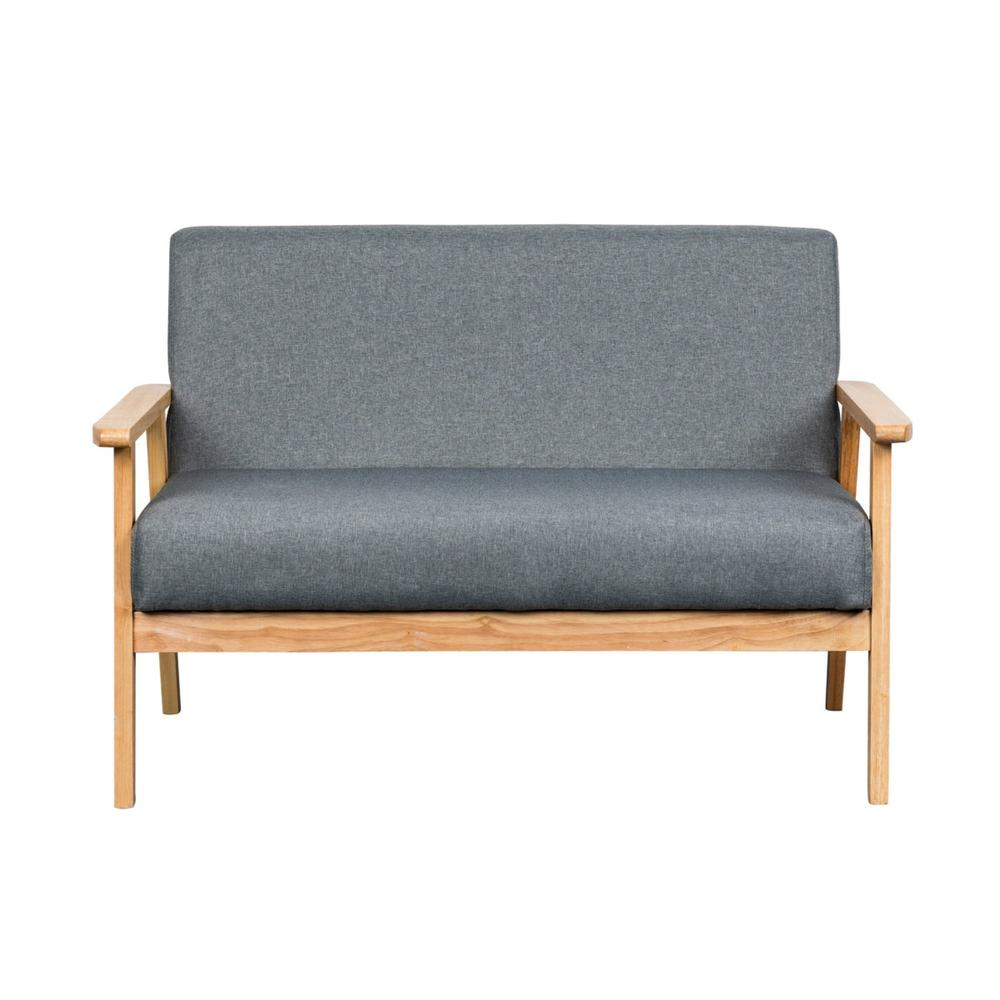
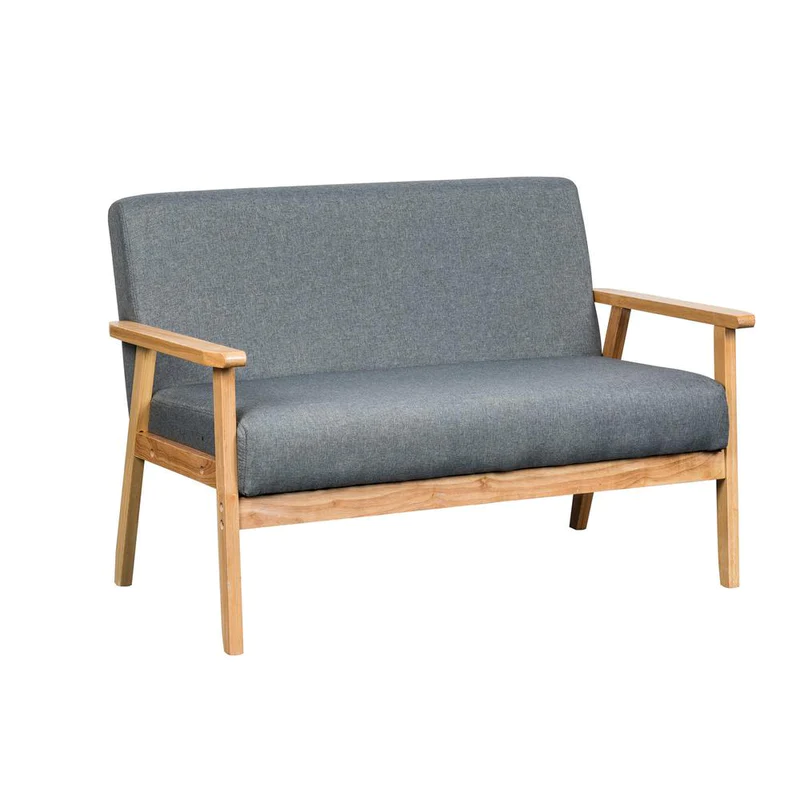
Cuboc's Wooden Sofa Bench seating is built with a solid wood frame and legs, specifically using eucalyptus wood species.
This choice of material ensures a robust and sturdy construction, capable of withstanding the demands of a busy healthcare environment.
The seat construction incorporates web suspension, providing additional support and durability.
The foam-filled seat cushions offer comfortable seating, while the synthetic fiber-filled backrest cushions provide a soft and supportive feel.
With a focus on structural integrity and reliable web suspension, our seating is designed to withstand frequent use and maintain its shape, ensuring long-lasting comfort for patients and visitors.
The use of wooden furniture in hospital settings offers numerous benefits that contribute to a positive patient experience.
Wood is known for its natural warmth and aesthetic appeal, creating a soothing and inviting atmosphere in hospital waiting rooms.
Additionally, wood is a renewable and sustainable resource, aligning with eco-friendly practices and promoting a greener healthcare environment.
Furthermore, wood has been shown to have positive psychological effects, promoting a sense of comfort and well-being.
With its inherent beauty, durability, sustainability, and positive impact on patient well-being, wooden furniture is a valuable choice for creating a welcoming and functional environment in hospitals.

What furniture goes in a hospital patient room? A typical hospital patient room includes a patient bed, bedside cabinet, overbed table, patient seating, visitor seating, personal storage, and selected equipment or technology supports. The exact furniture package varies by acuity, patient population,

What furniture is needed in an emergency department? An emergency department needs furniture for triage, treatment rooms, waiting areas, staff work zones, storage, patient transport, and—where applicable—behavioral health observation. Each area requires furniture selected for patient flow, staff vis

What makes furniture suitable for infection control in healthcare facilities? Infection-control furniture should support routine cleaning and disinfection through smooth, nonporous or fluid-resistant surfaces, sealed or limited joints, accessible geometry, and documented compatibility with the facil

What makes furniture dementia-friendly? Dementia-friendly furniture helps residents remain safer, more comfortable, and more independent by supporting mobility, visual recognition, orientation, and daily routines. The most useful features include stable construction, rounded edges, supportive seatin

What is anti-ligature furniture, and which standards govern behavioral health facilities? Anti-ligature furniture—also referred to as ligature-resistant furniture—is designed to reduce opportunities for a cord, sheet, belt, clothing, or similar material to form a sustainable attachment point that co

Designing furniture for healthcare environments is fundamentally different from designing for hospitality or residential use. The users are more vulnerable, the operational demands are more intense, and the consequences of poor design choices extend far beyond aesthetics. A chair that looks appropri