
| Material: | |
|---|---|
| Size: | |
| Single Unit Weight: | |
| Color: | |
| Upholstery: | |
| Room Type : | |
| Availability: | |
| Quantity: | |

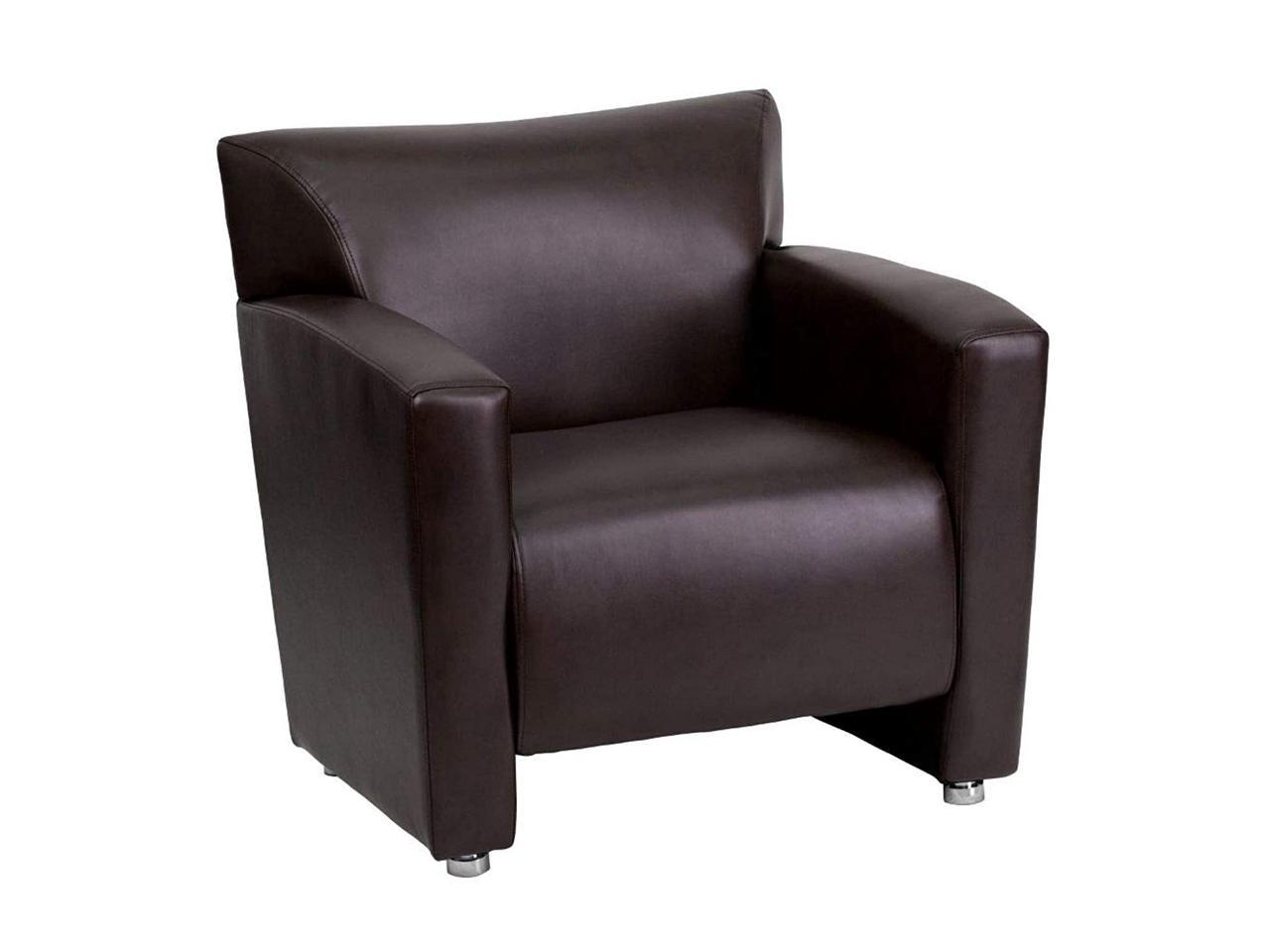
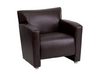
The modern office reception seating chair boasts a modern and contemporary design, seamlessly blending sleek aesthetics with a sophisticated touch.
Its stylish presence adds a touch of contemporary style to the hospital reception office, creating an inviting and professional atmosphere.
The chair's sleek and sophisticated design complements the overall contemporary style of the space, elevating its visual appeal and ensuring a cohesive and polished look.
Designed with utmost comfort in mind, the chair features a sculpted back and seat that provide exceptional ergonomic support.
This thoughtful design feature promotes proper posture and ensures optimal comfort during extended periods of sitting in the hospital reception office.
Additionally, the modern reception area seating chair's fixed seat cushion offers consistent support, eliminating the need for readjustment and ensuring a consistently comfortable seating experience for both patients and staff.

The modular reception seating chair is designed with comfort and safety in mind.
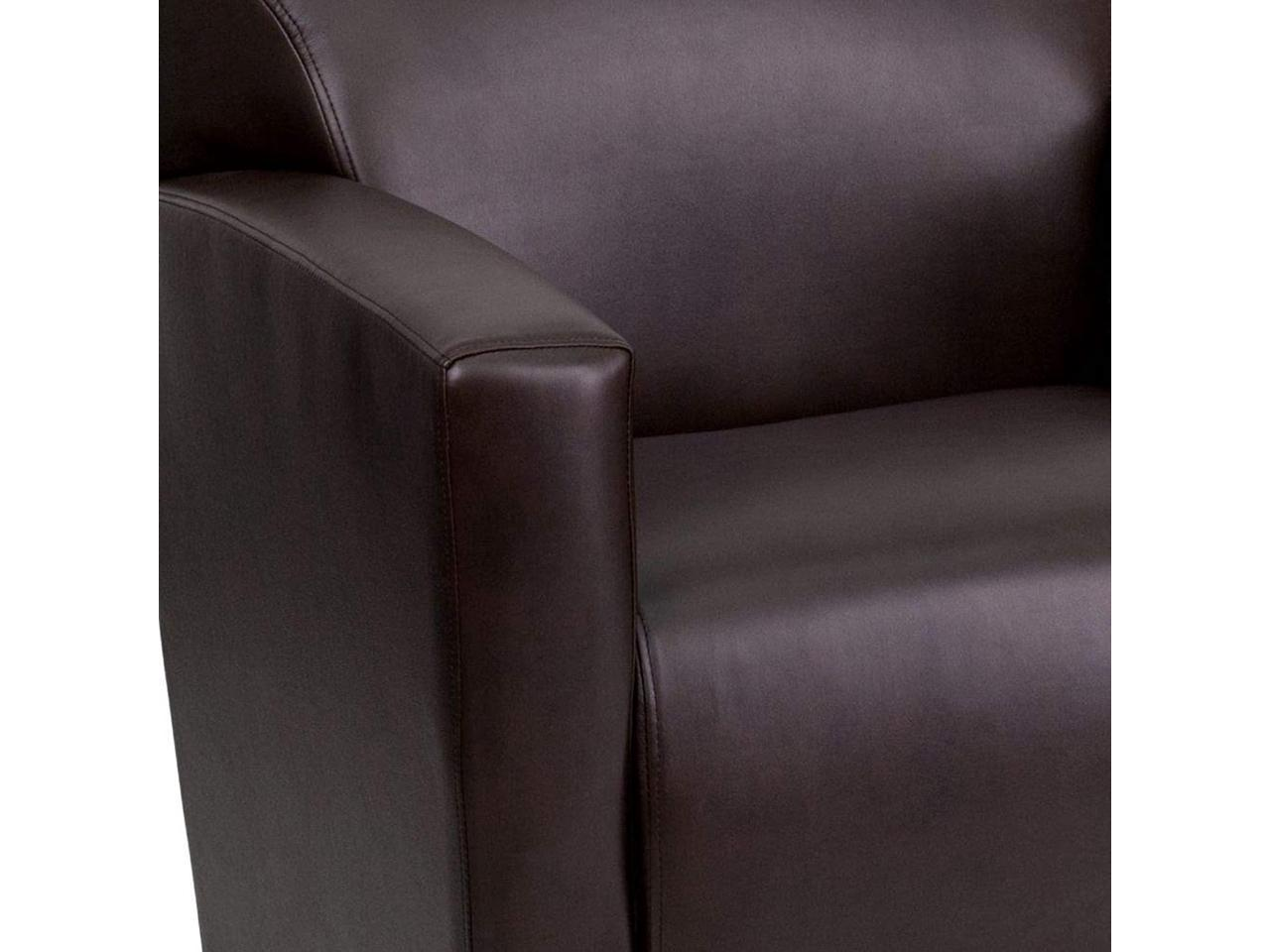
Its 1.8 high-density foam padding offers exceptional comfort and durability, providing reliable cushioning even with frequent use in the bustling hospital reception office.
Additionally, the foam meets the CAL 117 fire retardant foam standards, ensuring an extra layer of safety and peace of mind in case of fire emergencies.
With these features, the chair offers both comfort and security, making it an ideal choice for the hospital reception office.

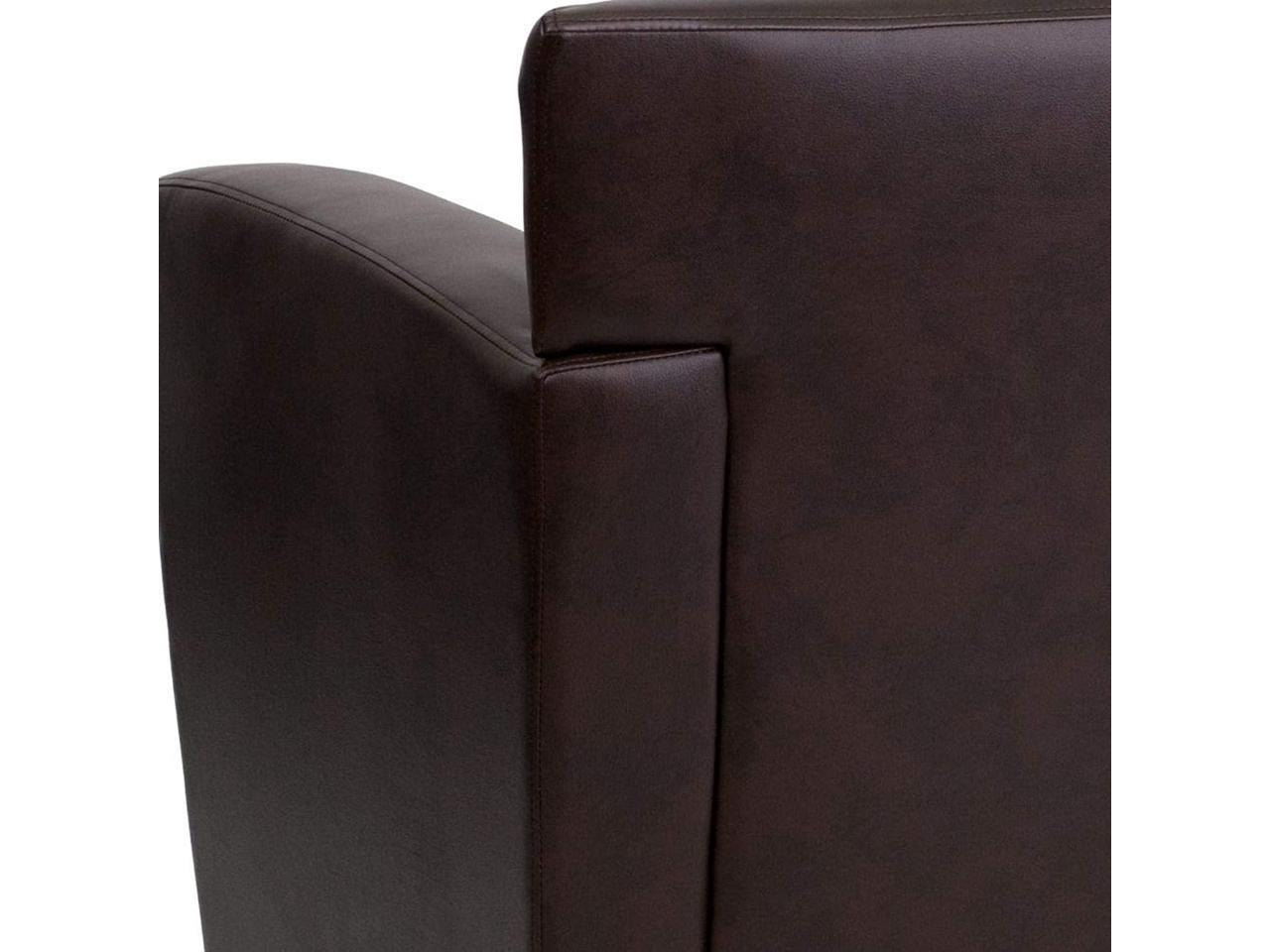
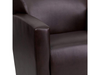
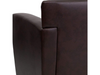
The chair is crafted with a hardwood frame, offering exceptional stability and durability that can withstand the demands of a hospital reception office.
Additionally, the chair features brushed aluminum feet, which is resistant to corrosion and rust.
This quality ensures that the chair's surface remains intact and visually appealing even in a potentially humid or moisture-prone environment, such as a hospital reception office.
Furthermore, aluminum surfaces are typically smooth and easy to clean.
This feature simplifies maintenance and promotes a hygienic environment in healthcare settings where cleanliness is paramount.
The smooth surface also prevents dirt, dust, and other particles from accumulating, ensuring a tidy and inviting appearance for visitors.

The modern office reception seating chair boasts a modern and contemporary design, seamlessly blending sleek aesthetics with a sophisticated touch.
Its stylish presence adds a touch of contemporary style to the hospital reception office, creating an inviting and professional atmosphere.
The chair's sleek and sophisticated design complements the overall contemporary style of the space, elevating its visual appeal and ensuring a cohesive and polished look.
Designed with utmost comfort in mind, the chair features a sculpted back and seat that provide exceptional ergonomic support.
This thoughtful design feature promotes proper posture and ensures optimal comfort during extended periods of sitting in the hospital reception office.
Additionally, the modern reception area seating chair's fixed seat cushion offers consistent support, eliminating the need for readjustment and ensuring a consistently comfortable seating experience for both patients and staff.

The modular reception seating chair is designed with comfort and safety in mind.
Its 1.8 high-density foam padding offers exceptional comfort and durability, providing reliable cushioning even with frequent use in the bustling hospital reception office.
Additionally, the foam meets the CAL 117 fire retardant foam standards, ensuring an extra layer of safety and peace of mind in case of fire emergencies.
With these features, the chair offers both comfort and security, making it an ideal choice for the hospital reception office.

The chair is crafted with a hardwood frame, offering exceptional stability and durability that can withstand the demands of a hospital reception office.
Additionally, the chair features brushed aluminum feet, which is resistant to corrosion and rust.
This quality ensures that the chair's surface remains intact and visually appealing even in a potentially humid or moisture-prone environment, such as a hospital reception office.
Furthermore, aluminum surfaces are typically smooth and easy to clean.
This feature simplifies maintenance and promotes a hygienic environment in healthcare settings where cleanliness is paramount.
The smooth surface also prevents dirt, dust, and other particles from accumulating, ensuring a tidy and inviting appearance for visitors.
The Problems with Traditional Healthcare Furniture: A Comprehensive Industry AnalysisIntroductionThe healthcare furniture industry has operated under the same fundamental design principles for decades, prioritizing institutional efficiency and cost control over patient dignity, worker ergonomics, an
Creating a truly wheelchair-accessible hospital environment requires far more than simply checking boxes on an accessibility compliance checklist. Healthcare facilities across the country claim to meet accessibility standards while simultaneously failing patients who depend on wheelchairs for mobili
The choice between patient ward accommodations and private room setups represents one of the most significant decisions in healthcare facility design and patient experience management. This distinction goes far beyond simple aesthetic preferences—it fundamentally impacts recovery outcomes, infection
Family members staying overnight in hospital rooms face a critical furniture crisis that directly impacts patient recovery and caregiver well-being. When patients require hospitalization—whether in maternity wards, pediatric ICUs, psychiatric units, or long-term care facilities—their loved ones ofte
When planning a new facility or renovating an existing community, finding specialized healthcare furniture manufacturers for senior living is the most critical step for interior designers, facility developers, and project managers. Your furniture selections directly impact resident safety, comfort,
Healthcare workers operate in one of the most physically demanding environments imaginable. Yet, paradoxically, one of the simplest tools supporting their work—a proper chair—is often deprioritized, neglected, and chronically absent from clinical units. This isn't merely a comfort issue; it's a work