
Views: 0 Author: Site Editor Publish Time: 2025-11-27 Origin: Site


Looking for reliable hospital furniture vendors? Healthcare procurement teams must evaluate vendors based on more than price alone. The best hospital furniture vendors combine infection-control expertise, regulatory compliance, customization capabilities, and proven service delivery to ensure furniture solutions that support optimal patient care and operational efficiency.
Hospital furniture isn't merely functional seating and casework—it represents critical healthcare infrastructure that directly impacts patient safety, staff efficiency, and facility operations. Choosing the right hospital furniture vendors can mean the difference between adequate accommodations and exceptional healthcare environments that support healing and clinical excellence.
Modern healthcare facilities face unprecedented pressure to balance budgets with quality requirements. The best hospital furniture vendors understand these pressures and provide solutions that deliver long-term value through durability, compliance, and operational flexibility.
In this comprehensive guide, you'll discover how to choose hospital furniture vendors, what distinguishes them, how to evaluate vendor proposals, and strategies for optimizing your procurement process.
Hospital furniture vendors operate across multiple market segments, each with distinct specializations:
Full-Service Vendors offer comprehensive product portfolios spanning patient rooms, clinical spaces, administrative areas, and public spaces. These vendors provide single-source solutions and simplified project coordination.
Specialized Vendors focus on specific product categories (seating, casegoods, medical-grade tables) or particular facility types (behavioral health, pediatric facilities, intensive care).
Regional Vendors provide localized expertise, faster response times, and personalized service for facilities within their geographic markets.
International Vendors offer cost advantages through offshore manufacturing while maintaining compliance with American healthcare standards.
The most reliable hospital furniture vendors demonstrate:
FDA compliance and medical device certifications
ISO 13485 quality management systems
BIFMA healthcare furniture standards adherence
State fire safety code compliance (Cal. TB 117, NFPA 101)
Infection control protocol compatibility
Top vendors maintain 50+ industry certifications and undergo regular third-party audits to verify compliance.
Leading hospital furniture vendors operate state-of-the-art facilities featuring:
Precision welding and wood joinery capabilities
Cleanroom assembly for critical applications
Comprehensive in-house quality control systems
Advanced finishing and upholstery capabilities
Sustainability-focused manufacturing processes
Best-in-class vendors provide:
Complete customization of dimensions, finishes, and upholstery
Healthcare-specific features (antimicrobial surfaces, mobility access, infection-resistant materials)
ADA compliance integration
Rapid design iteration and prototype development
Mock-up room capabilities for pre-purchase evaluation
Superior hospital furniture vendors deliver:
Dedicated project management teams
Design consultation and space planning services
Nationwide installation networks
24/7 customer support
Warranty and lifecycle maintenance programs
Spare parts availability and technical support
Established vendors work with major healthcare organizations including:
Large medical centers and academic hospitals
Specialized facilities (behavioral health, pediatric, rehabilitation)
Multi-facility healthcare systems
Government and VA facilities
International healthcare organizations


| Certification | Importance | What It Means |
FDA Medical Device Compliance | Critical | Furniture meets federal medical device regulations |
ISO 13485 Quality Systems | Critical | Demonstrates robust quality management processes |
BIFMA Healthcare Standards | Essential | Meets furniture industry healthcare specifications |
Fire Safety Compliance | Critical | Meets state and federal fire safety codes |
AWI Certification (Premium Grade) | Important | Indicates advanced craftsmanship standards |
GREENGUARD Certification | Beneficial | Low VOC emissions for indoor air quality |
LEED Compliance | Beneficial | Supports sustainable building initiatives |
| Metric | Strong Vendors | Exceptional Vendors |
Manufacturing Facilities | Multiple domestic locations | Integrated global network |
Quality Control Inspections | Standard protocols | Advanced automated testing |
Production Timeline (Standard) | 8-12 weeks | 6-8 weeks |
Production Timeline (Custom) | 12-16 weeks | 10-12 weeks |
Customization Options | 50+ variations | Unlimited custom configurations |
Annual Production Volume | $10M-50M | $100M+ |
Procurement professionals must evaluate beyond purchase price:
| Cost Factor | Typical Vendor | Premium Vendor |
Furniture Unit Cost | $1,200 base | $1,200 base |
Customization Charges | +$200-400 | Included in base |
Installation (per unit) | $150-250 | $100-150 |
Warranty Period | 1-2 years | 3-5 years |
Maintenance Support | Additional cost | Included |
Replacement Parts | Full price | Discounted 20-30% |
Lifecycle (10-year cost) | ~$2,000/unit | ~$1,600/unit |

Healthcare facilities increasingly bypass distributors and retailers, purchasing directly from manufacturers:
Distributor markups typically add 35-50% to furniture costs. Direct relationships with hospital furniture vendors eliminate these intermediaries:
Direct vendor relationships ensure:
Direct communication with quality assurance teams
Access to manufacturing process transparency
In-house testing protocols verification
Consistent quality across large orders
Rapid issue resolution when problems occur
Bypassing distribution channels reduces timelines:
| Ordering Method | Standard Timeline | Custom Orders |
Retail/Distributor | 12-16 weeks | 16-20 weeks |
Direct from Vendor | 8-12 weeks | 10-14 weeks |
Vendor with Priority | 6-8 weeks | 8-10 weeks |
For facility renovations and new construction projects, timeline compression represents significant operational advantage.
Q1: What compliance certifications are absolutely essential when evaluating hospital furniture vendors?
A: FDA compliance and ISO 13485 certification form the foundation. Your facility should require vendors to provide current certification documentation. Additionally, verify state-specific fire safety compliance (Cal. TB 117 in California, NFPA 101 nationally). Most states require proof of compliance before facility installation. Request copies of third-party audit reports—top vendors provide these readily.
Q2: How can we assess the reliability of international hospital furniture vendors?
A: International vendors require additional due diligence. Request factory certifications, quality management documentation, and references from comparable U.S. healthcare facilities. Conduct virtual or in-person facility audits when possible. Verify export experience, shipping logistics capabilities, and regulatory compliance in target markets. Leading vendors maintain U.S.-based customer service and support operations. Financial stability assessment is critical—ensure the vendor can sustain long-term business relationships.
Q3: What should we include in vendor requests for proposal (RFPs)?
A: Comprehensive RFPs should specify: product specifications with technical drawings; customization requirements (dimensions, finishes, upholstery); required certifications and compliance documentation; installation and delivery logistics; warranty terms and support expectations; reference customers in similar facility types; total cost of ownership breakdowns (including maintenance, replacement parts, service); and payment terms and conditions.
Q4: How do we evaluate antimicrobial and infection-control capabilities of hospital furniture vendors?
A: Request technical documentation proving antimicrobial efficacy testing against common pathogens (MRSA, C. difficile, norovirus). Verify surface materials compatibility with hospital disinfectants (bleach, quaternary ammonium, alcohol-based solutions). Ask about testing protocols for durability after repeated cleaning. Leading vendors provide evidence-based documentation from independent testing laboratories demonstrating 99%+ pathogen reduction after cleaning protocols.
Q5: What warranty and service support should we negotiate with hospital furniture vendors?
A: Minimum acceptable: 3-year comprehensive warranty covering materials, labor, and components. Superior vendors offer: extended warranties (5+ years), on-site maintenance programs, expedited parts replacement, annual facility assessments to identify maintenance needs, and training for facility maintenance staff. Include warranty specifics in vendor contracts—clarify coverage for normal wear, accidental damage, and replacement parts availability.
Q6: How can small healthcare facilities compete with large systems in vendor negotiations?
A: Group purchasing organizations (GPOs) provide leverage for small facilities to access vendor pricing typically reserved for large systems. Additionally, vendors often bundle smaller orders into larger commitments across multiple facilities. Consider joining hospital cooperatives or consortiums to amplify purchasing power. Even small facilities can negotiate volume pricing by committing to multi-year relationships with specific vendors.
Q7: What questions should we ask vendors about production timeline and delivery flexibility?
A: Inquire about current lead times, capacity limitations during peak seasons, flexibility for expedited orders, phased delivery options for large projects, and contingency planning if delays occur. Ask about previous project timelines for similar facility types. Request written timelines in contracts with penalties for missed delivery dates. Top vendors offer transparency about capacity and realistic timeline commitments.
Q8: How do we ensure hospital furniture vendors can support future growth and facility changes?
A: Select vendors demonstrating commitment to innovation and product development. Request information about design roadmap and new product development timelines. Establish partnerships with vendors who can support modular, adaptable solutions. Include provisions in contracts for future purchases at negotiated pricing and priority access to new products. Consider vendor financial stability and industry standing—established vendors with 30+ years of experience offer greater confidence in long-term support.
Before vendor outreach, specify:
Exact product categories needed
Facility types and department requirements
Customization specifications (dimensions, materials, features)
Compliance and certification requirements
Budget parameters
Timeline constraints
Installation and support expectations
Research potential vendors thoroughly:
Review certifications and compliance documentation
Assess manufacturing facility capabilities
Examine project portfolios and customer references
Verify industry standing and reputation
Check financial stability through business registries
Issue formal RFPs specifying all requirements. Evaluate proposals across:
Product quality and specifications
Pricing and total cost of ownership
Compliance certification completeness
Customization capabilities
Delivery and installation logistics
Warranty and service terms
Customer reference availability
Contact existing customers, particularly those with:
Similar facility size and complexity
Comparable procurement volumes
Recent purchasing experience (within 2 years)
Experience with same product categories
Ask specific questions about vendor reliability, quality consistency, service responsiveness, and overall satisfaction.
With top 2-3 finalists, negotiate:
Volume pricing for phased installations
Extended warranty terms
Service and support agreements
Payment terms and conditions
Performance incentives and penalty clauses
Future pricing agreements
Ensure contracts specify:
Complete product specifications with technical drawings
Customization details and finish/material selections
Delivery dates with penalty provisions
Installation and setup procedures
Warranty coverage and duration
Service and support inclusions
Dispute resolution procedures
Selecting the right hospital furniture vendor represents a strategic decision with long-term implications for facility operations, patient experience, and staff satisfaction. The best hospital furniture vendors combine quality expertise, compliance rigor, customization flexibility, and exceptional service delivery.
By applying systematic evaluation criteria, conducting thorough vendor assessment, and negotiating comprehensive agreements, healthcare facilities can establish partnerships delivering optimal value, regulatory compliance, and operational success.
Your hospital furniture vendor decision today establishes the foundation for patient-centered, clinically-excellent healthcare environments for years to come.
Hongye Healthcare Furniture represents one of America's most experienced medical furniture partners, with over 15 years of specialized healthcare facility expertise. Operating state-of-the-art manufacturing facilities with 5,000+ technical professionals, Hongye delivers comprehensive healthcare furniture solutions to hundreds of facilities nationwide.
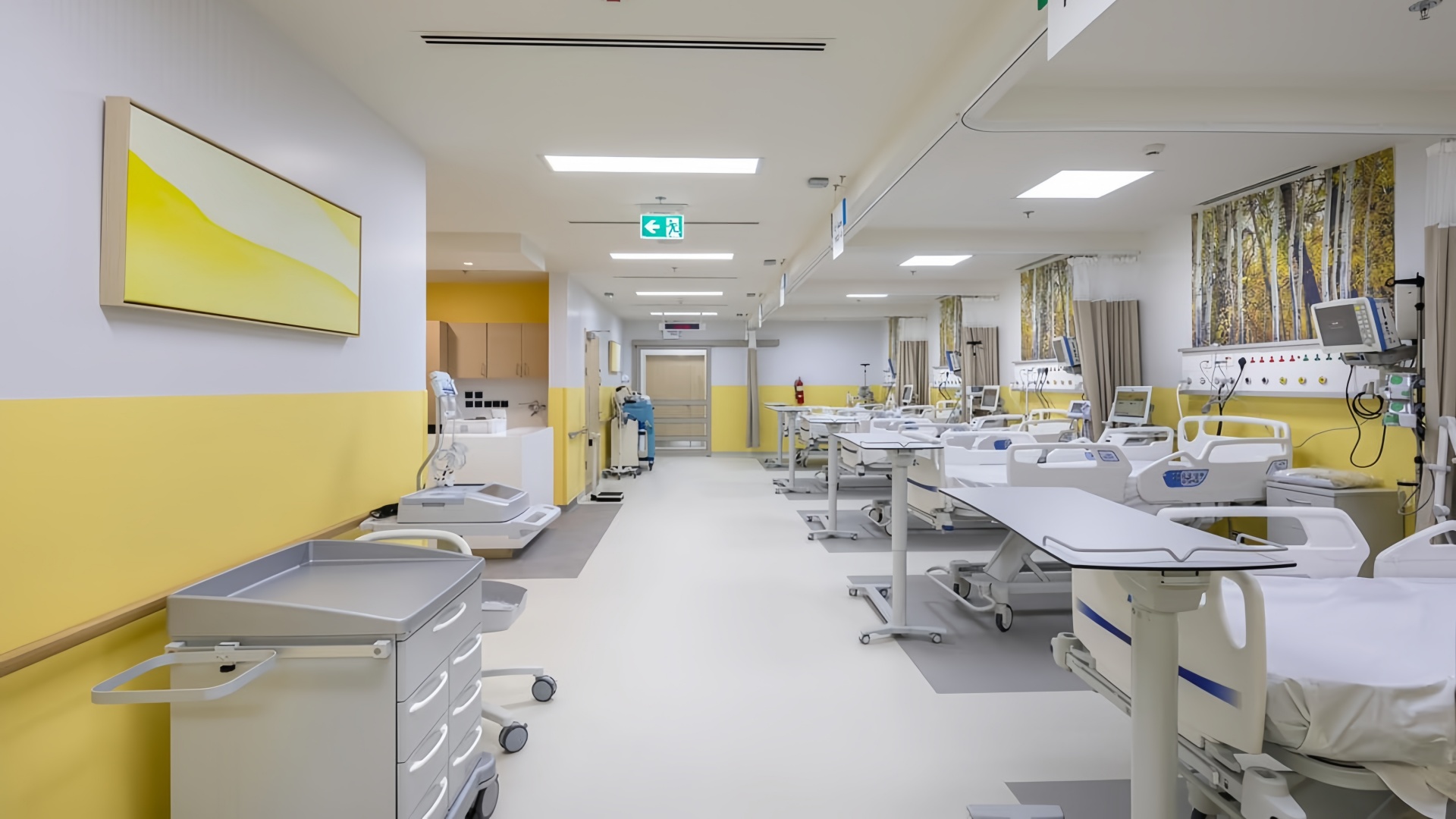

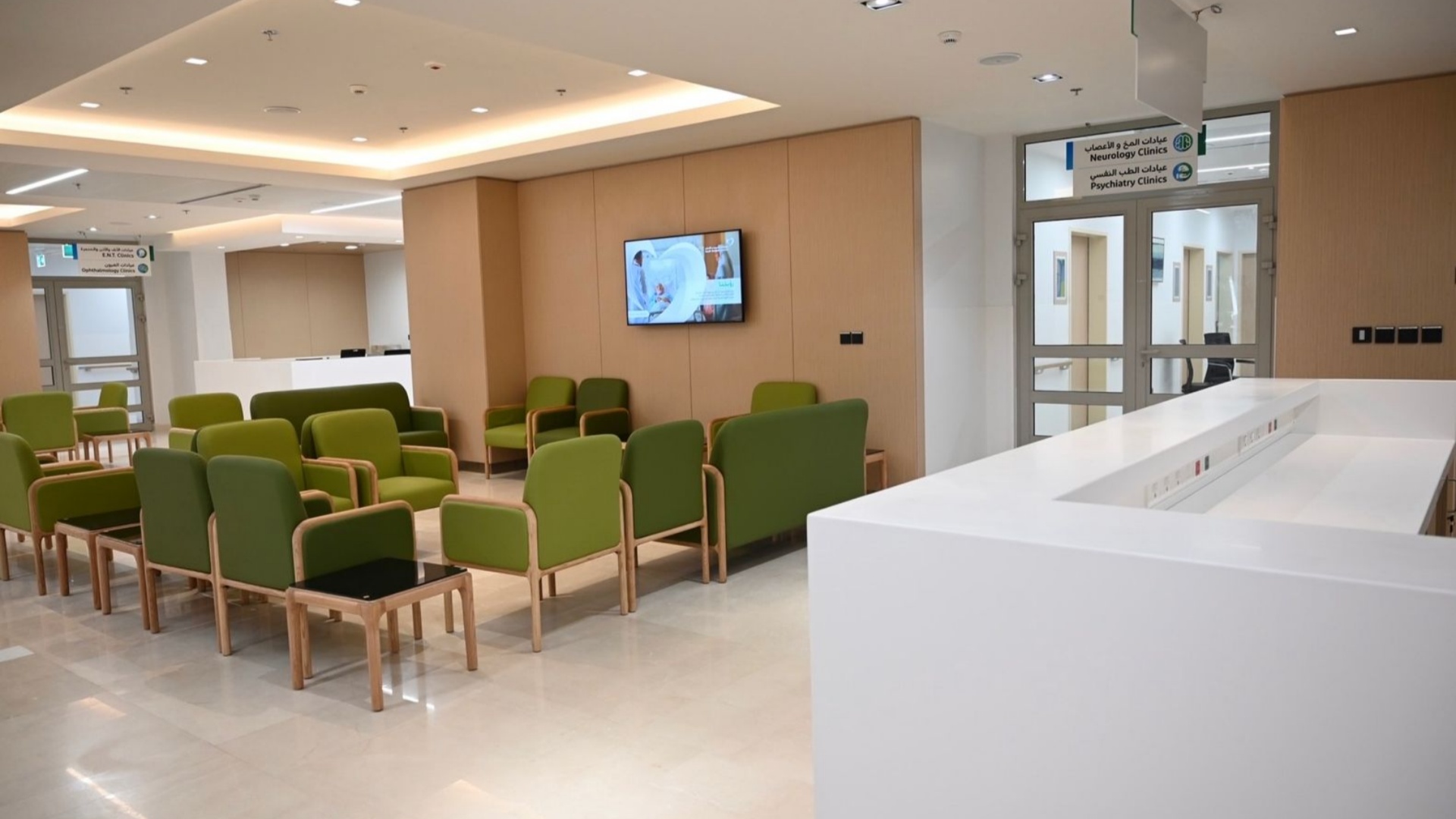
Saudi German Hospital Makkah | Medical Project Solution By Hongye Furniture
Hongye's commitment to quality excellence is demonstrated through:
90+ industry certifications and compliance standards
Integrated manufacturing operations spanning design, production, quality control, and logistics
Customization capabilities supporting facilities of all sizes and complexities
Comprehensive service infrastructure including design consultation, installation support, and lifecycle maintenance
Strategic partnerships with leading healthcare organizations and design firms
Healthcare procurement teams choosing Hongye gain access to proven expertise, reliable delivery, and long-term partnership committed to supporting healthcare excellence.


