
Views: 0 Author: Site Editor Publish Time: 2025-12-30 Origin: Site


The healthcare furniture industry has operated under the same fundamental design principles for decades, prioritizing institutional efficiency and cost control over patient dignity, worker ergonomics, and operational functionality. Traditional healthcare furniture refers to the standardized pieces found in most established medical facilities—institutional-grade chairs, beds, and workstations designed primarily for durability and ease of cleaning rather than comfort, accessibility, or contemporary healthcare delivery requirements.
This disconnect between traditional design standards and modern healthcare needs has created a landscape where patients suffer, healthcare workers develop chronic injuries, and facility managers struggle with equipment that fails to support contemporary care delivery models. The problems extend far beyond aesthetics—they represent fundamental design failures affecting patient safety, staff wellbeing, infection control, and operational efficiency.
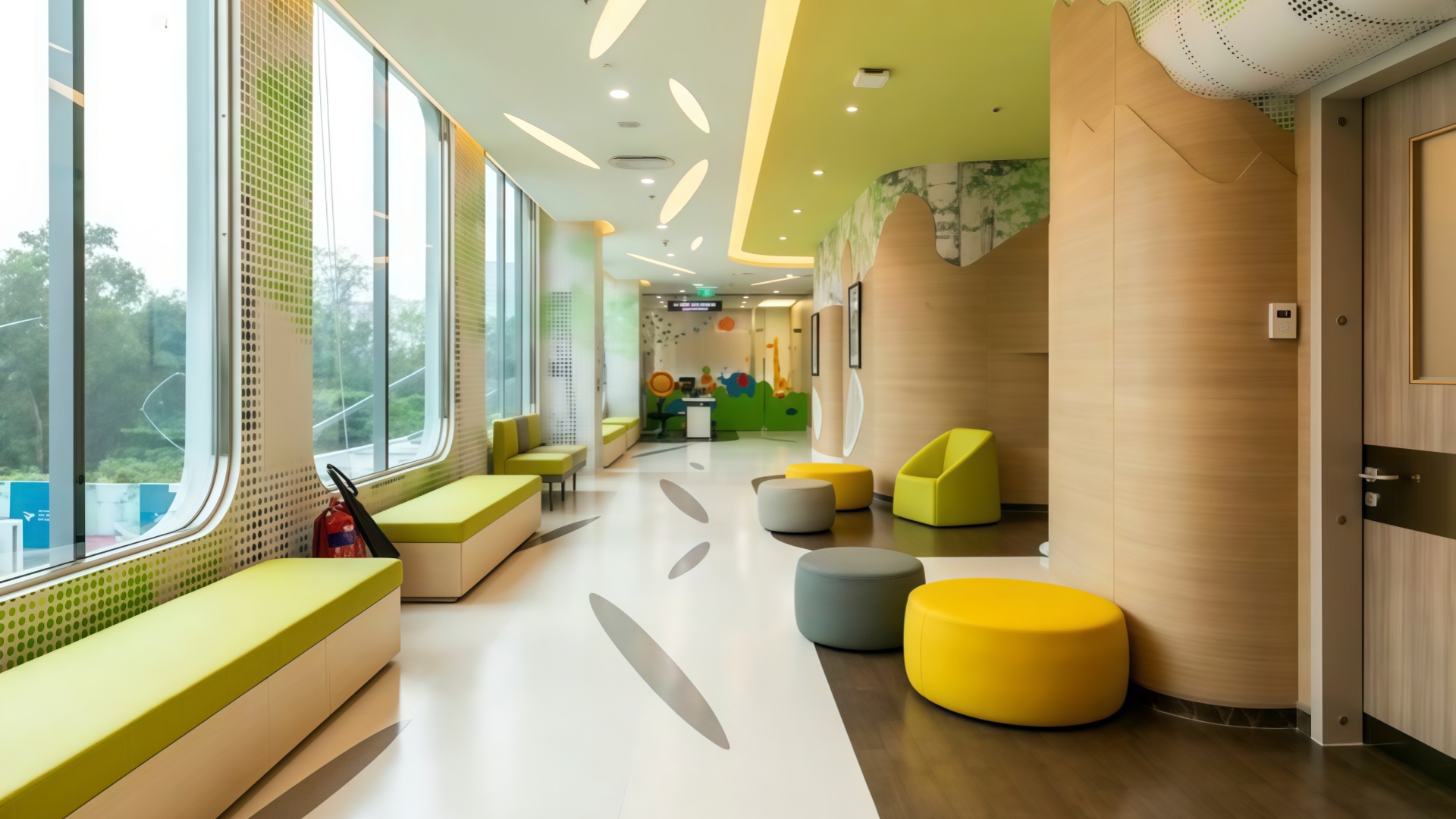
Modern healthcare environments demand furniture solutions that balance multiple competing requirements: accessibility for patients with mobility challenges, ergonomic support for staff working extended shifts, infection control capabilities, flexible configurations supporting diverse clinical needs, and patient experience considerations. Traditional furniture fails across nearly every dimension, creating cascading problems throughout healthcare facilities. This comprehensive guide explores the specific failures of traditional healthcare furniture, analyzes the root causes, and examines contemporary solutions addressing these critical gaps.
Traditional healthcare furniture design philosophy emerged from early 20th-century hospital models emphasizing institutional efficiency, cost minimization, and standardization. Designers prioritized furniture that could withstand heavy use, resist damage from repeated disinfection, and accommodate multiple patients rapidly. Patient comfort, individual dignity, and worker safety received minimal consideration because institutional priorities dominated decision-making.

Healthcare facility administrators traditionally viewed furniture as a capital expense to minimize rather than an operational asset affecting multiple outcomes. This mindset created perverse incentives favoring the cheapest possible solutions rather than investments delivering long-term value. Institutional-grade furniture typically costs significantly less than ergonomic alternatives, creating a false economic justification for purchasing substandard pieces.
However, this short-term cost focus ignores the long-term consequences. Traditional furniture contributes to worker injuries increasing workers' compensation claims, reduces patient satisfaction affecting facility reputation and occupancy rates, creates operational inefficiencies increasing labor time requirements, and generates infection control risks from deteriorated surfaces that cannot be properly disinfected.
When lifecycle costs are calculated—including worker injury expenses, replacement frequency, and operational inefficiencies—traditional furniture often proves more expensive than contemporary ergonomic alternatives over 10-year operating periods. Yet most healthcare administrators continue purchasing traditional pieces because initial capital costs appear lower.
Accessible healthcare design requires furniture accommodating diverse patient populations with varying mobility capabilities. Traditional furniture was designed for an assumed standard patient—mobile enough to transfer independently, able to reach standard heights, requiring minimal assistance. This assumption catastrophically failed for patients with mobility impairments, those recovering from surgery, elderly patients with reduced function, and patients with disabilities.
Beds positioned too high or low relative to wheelchair heights create transfer barriers. Bathroom fixtures installed at heights requiring standing prevent access for seated individuals. Patient chairs lack appropriate armrests supporting transfers. Hospital room furniture layout fails to accommodate wheelchairs, walkers, and other mobility devices simultaneously with necessary family visitor accommodation and clinical staff movement.
The accessibility gap exists not because solutions are unavailable, but because traditional design excluded accessibility considerations entirely. Contemporary accessible design solutions exist but require intentional specification and investment—both historically rejected by cost-focused procurement.
Traditional healthcare furniture often features characteristics making disinfection difficult or impossible. Seams and crevices trap bacteria. Deteriorated upholstery becomes impossible to clean. Porous materials absorb contaminants rather than allowing surface disinfection. Metal components corrode from repeated chemical exposure, creating hazardous surfaces.
Modern healthcare requires all patient-contact surfaces to withstand rigorous disinfection protocols. Traditional furniture frequently fails this requirement, becoming a source of healthcare-associated infections rather than a neutral environmental element. The irony is profound: Furniture designed with durability as a primary concern actually degrades more rapidly under modern disinfection protocols, requiring more frequent replacement while simultaneously creating contamination risks.
Healthcare workers perform their jobs under challenging physical demands—standing for 12-hour shifts, repeatedly lifting patients, working in awkward positions, operating computers for extended periods. Traditional healthcare worker furniture provides minimal ergonomic support, lacking lumbar support, adjustability, and comfort features necessary for safe extended use.
The results are predictable and documented: Chronic back pain affects 60-70% of healthcare workers. Musculoskeletal disorders create permanent injuries ending careers. Workers' compensation claims from furniture-related injuries total billions annually across the healthcare industry. Staff turnover accelerates as workers seek employment in less physically demanding environments. This cycle directly impacts patient care—chronic pain reduces attention and increases medical errors.
| Furniture Characteristic | Traditional Design | Contemporary Standard | Impact on Healthcare Delivery |
Primary Design Priority | Cost minimization, durability | Patient safety, ergonomics, accessibility | Patient outcomes, staff wellbeing, efficiency |
Adjustability Features | Minimal or non-functional | Customizable height, positioning, support | Individual patient/staff accommodation |
Comfort Consideration | Secondary or absent | Primary design requirement | Patient satisfaction, recovery, staff retention |
Infection Control | Limited; difficult to clean | Healthcare-grade disinfectable materials | Infection prevention, patient safety |
Accessibility Features | Not designed for | Integrated throughout design | Accommodates diverse patient populations |
Ergonomic Support | Basic or absent | Lumbar support, adjustability, armrests | Reduces worker injuries, improves efficiency |
Flexibility | Static configuration | Adaptable to multiple care scenarios | Supports contemporary care models |
Durability | High initial durability; deteriorates rapidly | Sustained functionality over 8-10 years | Lower lifecycle costs |
Lifespan Expectancy | 3-5 years typical | 8-12 years typical | Cost effectiveness |
User Satisfaction | Typically low | High (patients and staff) | Retention, reputation |
Regulatory Compliance | Basic or non-compliant | Exceeds ADA and healthcare standards | Legal protection, safety assurance |

Traditional hospital beds were designed to maximize bed density in wards while accommodating patient hoisting and transfer operations. Height, firmness, and surface characteristics prioritized mechanical efficiency rather than patient comfort. Contemporary patient bed problems include:
Inadequate mattress support creates pressure ulcers from prolonged positioning. Patients recovering from surgery or immobilized by serious conditions develop skin breakdown within days on traditional institutional mattresses. This complication extends hospital stays, increases infection risk, and creates permanent patient harm.
Fixed height positioning fails for contemporary transfer requirements. Beds set at heights optimized for staff performing manual lifts create inappropriate heights for wheelchair transfers or patient self-transfer. Modern safe patient handling emphasizes motorized lifts and mechanical assists requiring different bed positioning.
Inflexible positioning prevents positioning variations supporting respiratory function, circulation, and comfort. Patients recovering from thoracic surgery, experiencing respiratory distress, or managing circulation challenges require positioning flexibility that traditional flat beds cannot provide.
Inadequate side rail design creates falls risk rather than preventing falls. Traditional bed rails lack appropriate height, positioning, and support for actual patient needs. Modern designs address specific transfer scenarios and fall prevention requirements.
Traditional healthcare seating—whether for patients, visitors, or staff—reflects cost-first design prioritizing manufacturing simplicity over user needs. Patient chairs lack appropriate armrests supporting independent transfers. Visitor chairs provide minimal comfort for extended stays. Staff seating offers inadequate support for workers charting or monitoring patients during 12-hour shifts.
Insufficient quantity creates additional problems. Hospitals equipped with inadequate guest seating force family members to stand during visits, reducing family presence supporting patient recovery. Staff seating shortages force charting in hallways and other inappropriate spaces, compromising workflow and documentation quality.
Deteriorated upholstery with tears and exposed padding becomes impossible to disinfect, creating biohazard conditions. Rather than replacing worn furniture, many facilities continue using contaminated pieces because replacement capital is unavailable.
Traditional hospital bathrooms often feature fixtures designed without accessibility consideration. Toilets positioned far from doorways require extensive maneuvering. Sinks installed at heights requiring standing prevent wheelchair user access. Grab bars installed decoratively rather than functionally provide no actual safety support.
Narrow doorways—often measuring 27 inches rather than the ADA-required 32 inches—prevent wheelchair access to bathrooms within patient rooms. Standard hospital wheelchairs cannot fit through doors designed decades before modern accessibility standards.
Limited configuration flexibility prevents accommodating diverse patient needs. Patients requiring shower chairs, grab bars, and assistance space cannot achieve simultaneously. Bathroom design reflects single-use scenarios rather than supporting multiple care approaches.
Traditional medical staff workstations were designed for single tasks in static locations. Contemporary healthcare requires flexible workstations accommodating electronic health records, medication administration, monitoring systems, and documentation across multiple locations.
Inadequate electrical access forces equipment into suboptimal positions. Mobile computer carts operate on limited battery power, reducing flexibility. Insufficient outlets create fire hazards from overloaded circuits.
Poor ergonomic design creates repetitive strain injuries among staff spending 60-80% of shifts in front of computers. Monitors positioned at inappropriate heights, keyboards and mice in non-ergonomic positions, and chairs lacking lumbar support contribute to carpal tunnel syndrome, tendonitis, and chronic back pain.
Limited flexibility prevents adapting workstations to individual staff needs. Fixed furniture arrangements accommodate average-height staff poorly, creating awkward positioning for taller or shorter workers.
Traditional healthcare furniture appears economical based on initial purchase price but proves expensive over 10-year operating periods when lifecycle costs are calculated comprehensively:
Initial purchase cost may be 40-50% lower than contemporary alternatives. A traditional institutional bed might cost $3,000-4,000 compared to $6,000-8,000 for a modern adjustable bed featuring patient safety and ergonomic enhancements. An institutional chair might cost $200 compared to $500-700 for an ergonomic alternative.
However, true lifecycle costs include:
Replacement frequency: Traditional furniture requires replacement every 3-5 years versus 8-12 years for contemporary pieces. A $200 traditional chair requiring replacement every 3 years costs $667 annually. A $500 contemporary chair lasting 10 years costs $50 annually.
Worker injury expenses: Back injuries among healthcare workers cost $20 billion annually across the industry. Traditional furniture contributes substantially to this cost through inadequate ergonomic support. Even a modest reduction in worker injuries through better furniture produces significant cost savings.
Infection control costs: Traditional furniture contributing to healthcare-associated infections creates treatment costs, extended hospital stays, and litigation exposure. Facilities with higher infection rates incur substantially higher operational costs.
Downtime and maintenance: Deteriorating traditional furniture requires more frequent repairs and replacement, creating downtime and maintenance expense.
Operational inefficiency: Poor furniture design increases task time requirements. Staff moving computers through hallways, patients requiring assistance with bathroom access despite accessible fixtures, and workers experiencing pain-related productivity loss all increase labor requirements.
Calculation shows that contemporary furniture typically delivers lower total cost of ownership despite higher initial investment, often by substantial margins (30-50% total savings over 10-year periods).
Healthcare-associated infections (HAIs) represent a major patient safety problem and significant expense. Environmental contamination contributes to HAI transmission, and furniture design fundamentally affects contamination risk.
Traditional upholstered furniture presents particular challenges. Torn upholstery traps bacteria impossible to reach with standard disinfection protocols. Porous foam absorbs bodily fluids and pathogens. Seams and crevices harbor microorganisms despite cleaning efforts. Deteriorated chairs, couches, and patient furniture effectively become biohazards requiring disposal rather than continued use.
Standard disinfection protocols—including alcohol, bleach, and quaternary ammonium solutions—degrade traditional materials more rapidly than modern healthcare-grade alternatives. Upholstery fades and weakens. Metal components corrode. Plastic elements become brittle. This accelerated deterioration under necessary disinfection requirements creates the paradoxical outcome where furniture designed for durability fails rapidly under modern healthcare practices.
Traditional metal beds and furniture components create sharps injury risks through corrosion, deterioration, and missing protective covers. Exposed springs, bent metal edges, and protruding fasteners create workplace hazards for healthcare staff and patient injury risks.
Inadequate bed rail design historically contributed to patient falls from attempting to navigate over or around substandard rails. Contemporary bed rail design addresses specific fall prevention mechanisms informed by injury data and ergonomic science.
Inaccessible furniture creates forced dependence on staff assistance for basic hygiene and mobility functions. Patients unable to independently access bathrooms or transfer to chairs lose autonomy and dignity while increasing staff workload. This forced dependence increases fall risks, medication errors from rushed care, and patient psychological distress.
Accessible furniture design supports patient independence, reducing falls and complications while improving outcomes and patient satisfaction.
Contemporary healthcare furniture addresses traditional design failures through evidence-based redesign incorporating patient safety, ergonomics, infection control, and accessibility as primary requirements rather than afterthoughts.
Modular, flexible design allows configuration adaptation to diverse clinical scenarios. Beds accommodate different patient needs through motorized positioning. Chairs feature adjustable height and positioning supporting transfers for patients with varied mobility. Workstations accommodate electronic equipment through flexible positioning rather than fixed furniture.
Healthcare-grade materials withstand rigorous disinfection protocols while maintaining integrity over 8-12 year operational lifespans. Non-porous upholstery resists bacterial adhesion and allows effective disinfection. Seams and crevices are minimized. Materials support repeated chemical exposure without deterioration.
Ergonomic features reduce worker injuries through lumbar support, adjustability, and positioning options. Staff workstations support proper posture during extended use. Patient transfer equipment incorporates mechanical advantage reducing manual lifting requirements. Healthcare worker seating provides support for extended shifts.
Accessibility integration includes wheelchair passage space, appropriate fixture heights, grab bars positioned for actual support, and flexible configurations accommodating diverse patient needs simultaneously.

| Problem Category | Traditional Approach | Contemporary Solution | Outcome Improvement |
Patient Positioning | Fixed flat bed | Motorized adjustable positioning | Improved comfort, circulation, respiratory support |
Transfer Support | Minimal armrests, poor height | Motorized lift-compatible heights, supportive armrests | Safer transfers, fewer injuries |
Infection Control | Porous upholstery, difficult cleaning | Healthcare-grade disinfectable materials | Reduced HAI rates, proper sanitation |
Worker Ergonomics | Poor back support, fixed height | Lumbar support, adjustable positioning | 60% reduction in back injuries |
Accessibility | Not designed for disabled access | Wheelchair-accessible design integrated | Accommodates 100% patient population |
Flexibility | Single-use configuration | Multi-scenario adaptable design | Supports contemporary care models |
Durability | 3-5 years typical | 8-12 years typical | Lower replacement costs, less waste |
User Satisfaction | Low (patients and staff) | High | Retention, reputation, recruitment |
Regulatory Compliance | Often non-compliant | Exceeds ADA and healthcare standards | Legal protection, safety assurance |
Total 10-Year Cost | $50,000-70,000 per bed | $40,000-50,000 per bed | 30-50% cost savings |

Healthcare administrators hesitant about contemporary furniture investments should recognize that lifecycle cost analysis consistently demonstrates lower total cost of ownership compared to traditional approaches when worker injury costs, infection control expenses, replacement frequency, and operational efficiency are calculated comprehensively.
Phased implementation approaches allow systematic modernization without requiring simultaneous replacement of all furniture. Prioritizing patient beds, staff workstations, and high-turnover guest seating for initial replacement delivers maximum impact while managing capital constraints.
Facility managers transitioning from traditional to contemporary furniture encounter staff unfamiliar with new equipment. Proper training on adjustable features, motorized systems, and configuration flexibility ensures users achieve full functionality rather than operating equipment in default positions.
Procurement criteria revision ensures contemporary specifications become standard requirements rather than premium options considered only when budget allows. Including ergonomic standards, accessibility features, and infection control specifications in baseline requirements shifts procurement toward contemporary solutions.
Contemporary healthcare regulations increasingly emphasize patient safety, worker protection, and accessibility standards. ADA compliance now represents a legal requirement rather than an optional enhancement. OSHA ergonomic standards, while not mandatory, establish recognized hazard expectations. Joint Commission accreditation increasingly emphasizes patient experience and worker safety metrics influenced by environmental design.
Facilities operating with non-compliant traditional furniture face increasing regulatory pressure, litigation risk, and accreditation challenges. Modernization simultaneously addresses safety, compliance, and outcome improvement.
Traditional healthcare furniture represents a design paradigm fundamentally misaligned with contemporary healthcare delivery requirements and evidence-based understanding of patient safety, worker health, and operational efficiency. The problems—inaccessibility, poor ergonomics, inadequate infection control capabilities, and operational inflexibility—are not incidental design flaws but structural consequences of design principles prioritizing cost minimization and institutional efficiency over human-centered outcomes.
The evidence overwhelmingly supports healthcare furniture modernization as a strategic investment delivering multiple simultaneous improvements: enhanced patient safety and satisfaction, reduced worker injuries and increased retention, improved infection control and regulatory compliance, and lower total cost of ownership despite higher initial investment. Contemporary furniture solutions addressing these concerns are available, affordable, and proven effective across thousands of healthcare installations.
Healthcare facility leaders face a clear choice: Continue purchasing inadequate traditional furniture, perpetuating cycles of worker injury, patient dissatisfaction, and regulatory non-compliance while accepting higher total costs. Or invest in contemporary solutions providing demonstrable improvements across every dimension of healthcare facility operation and patient care quality.
The path forward requires courage to challenge purchasing traditions, willingness to invest in evidence-based solutions, and commitment to patient-centered and worker-centered healthcare design. Modern healthcare deserves modern furniture supporting safety, dignity, and operational excellence.
Traditional healthcare furniture was designed prioritizing cost minimization and institutional efficiency rather than patient safety, accessibility, ergonomics, or infection control. The result is furniture that fails across multiple dimensions—inadequate for patient dignity, harmful to worker health, difficult to disinfect, and non-accessible for patients with mobility challenges. Contemporary designs address these dimensions holistically, creating furniture supporting patient outcomes, worker wellbeing, and operational efficiency simultaneously.
Back injuries and musculoskeletal disorders among healthcare workers cost approximately $20 billion annually across the industry. Traditional furniture lacking ergonomic support contributes substantially to this cost through inadequate lumbar support, limited adjustability, and poor positioning options. Better furniture reduces injury incidence, decreasing workers' compensation claims, reducing absenteeism, and improving staff retention. Even modest improvements in worker health through furniture design produce significant cost savings.
Three primary reasons: First, initial purchase cost appears lower for traditional furniture, creating budget justification despite higher lifecycle costs. Second, organizational inertia favors established procurement patterns over newer alternatives. Third, administrators often lack comprehensive lifecycle cost analysis demonstrating superior economic performance of contemporary furniture. Overcoming these barriers requires education on total cost of ownership and institutional commitment to evidence-based purchasing decisions.
Traditional furniture materials and construction create disinfection challenges. Torn upholstery, exposed padding, seams, and crevices trap bacteria impossible to reach with standard disinfection protocols. Porous materials absorb bodily fluids and contaminants rather than resisting bacterial adhesion. Repeated chemical disinfection degrades traditional materials, accelerating deterioration and creating biohazard conditions. Contemporary healthcare-grade materials withstand disinfection while resisting bacterial contamination.
Traditional design excluded accessibility entirely. Doorways too narrow for wheelchair passage, bathrooms positioned without wheelchair turning radius consideration, beds at heights incompatible with wheelchair transfers, and furniture arrangements consuming space needed for assistive devices create comprehensive accessibility failures. Patients requiring mobility support face impossible barriers performing basic hygiene and moving independently throughout rooms. Modern accessible design integrates accessibility throughout, accommodating diverse patient needs simultaneously.


