|


loading


| Material: | |
|---|---|
| Thickness: | |
| Size: | |
| Loading Quantities: | |
| OEM: | |
| Availability: | |
| Quantity: | |
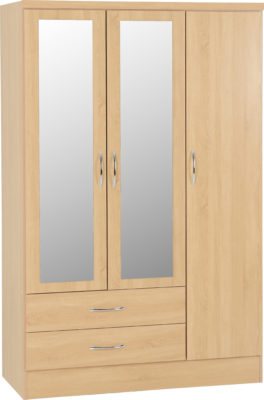
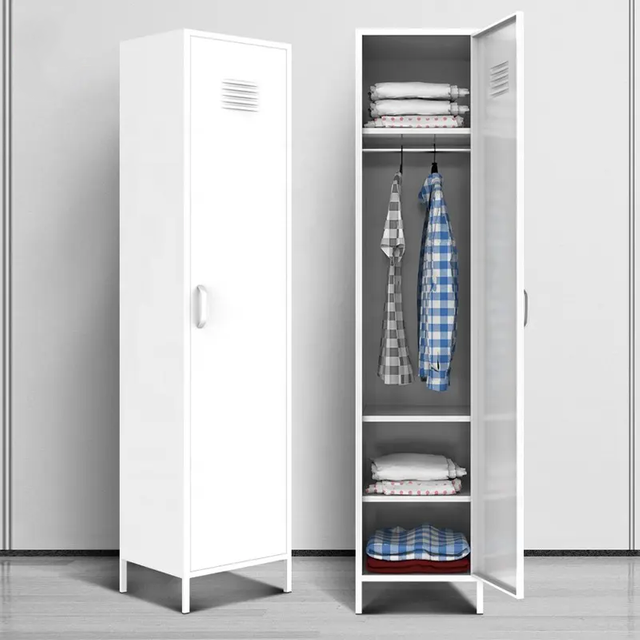
Our hospital 3 door wardrobe is constructed using top-grade stainless steel sheets (SPCC) with a net thickness of 0.6mm.
This high-quality material ensures durability, longevity, and resistance to corrosion.
The inclusion of premium HARVSUN hardware fittings further guarantees the wardrobe's reliability and extends its lifespan, making it suitable for rigorous hospital use.
The hospital stainless steel wardrobe closet is equipped with a 3 door design, providing easy access and efficient storage separation.
The three doors allow for convenient organization and retrieval of items, helping healthcare professionals to quickly locate and retrieve necessary supplies or personal belongings.
This design promotes efficient workflow and ensures that essential items are easily accessible when needed.

The wardrobe features a phosphorus-free electrostatic coating, resulting in a superior texture and overall quality.
This coating not only enhances the wardrobe's visual appeal but also provides added protection against wear and tear, ensuring long-lasting performance in the demanding hospital environment.

Our wardrobes are crafted using advanced manufacturing techniques, ensuring superior quality and precision.
These techniques result in a well-engineered and finely finished product, meeting the stringent standards of the healthcare industry.
The attention to detail and commitment to excellence in manufacturing guarantee that our wardrobes deliver reliable performance in hospital settings.
The wardrobe is thoughtfully designed to meet the diverse storage needs of hospitals.
It features shelves in addition to hanging space, allowing for efficient organization of clothes and other items.
This multifunctional design maximizes storage capacity and enables healthcare professionals to keep their belongings neatly organized, enhancing workflow and maintaining a clutter-free environment.


Our hospital stainless steel wardrobe offers for medical office OEM (Original Equipment Manufacturer) availability for accessories like locks.
This means that hospitals have the option to customize their wardrobes with locks that meet their specific security requirements. The availability of OEM accessories ensures flexibility and allows healthcare facilities to tailor the wardrobes to their unique needs.

What materials are best for healthcare waiting room furniture? Healthcare waiting room seating should be selected for cleanability, chemical compatibility, durability, comfort, accessibility, and maintenance. Molded polymer, healthcare-grade vinyl or polyurethane, and selected performance textiles c

What is ligature-resistant furniture? Ligature-resistant furniture is designed to reduce opportunities for cords, sheets, clothing, ropes, or similar materials to create a sustainable attachment point that could contribute to self-harm. It is one component of a broader behavioral health safety strat

How big should a dental operatory be, and what furniture does it need? FGI's 2022 dental-facility update removed the previous 80-square-foot minimum operatory floor area while retaining 2 feet 8 inches of clearance on all sides of the dental chair. Many general-dentistry practices plan around a 10 ×

What furniture is needed in an outpatient exam room? A typical outpatient exam room includes an exam table, clinician stool, patient or visitor seating, work surface or workstation, secure storage, handwashing access, medical-supply support, and appropriate lighting or technology supports. The final
What is behavioral health furniture? Behavioral health furniture is designed for psychiatric hospitals, behavioral health units, substance-use treatment facilities, crisis-stabilization centers, and other patient-care environments where safety risks may differ from those in general healthcare spaces

What is HIPAA-conscious reception design? HIPAA-conscious reception design uses reception layout, workstation orientation, visual screening, secure document storage, seating placement, and acoustic strategies to reduce the risk that patients or visitors can see or overhear protected health informati