| Material: | |
|---|---|
| Thickness: | |
| Size: | |
| Loading Quantities: | |
| OEM: | |
| Availability: | |
| Quantity: | |

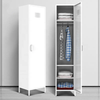
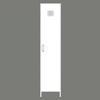
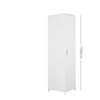
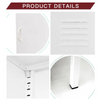
The wardrobe features a knock-down structure, allowing for easy disassembly and assembly.
This design saves space during transportation and storage, while also making it convenient to move the wardrobe within the hospital.
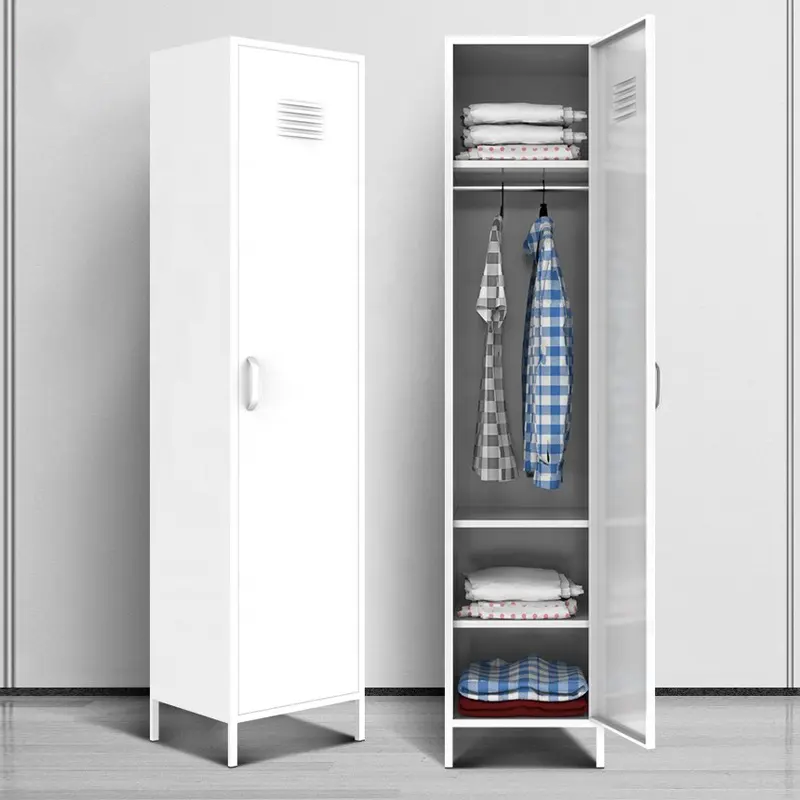
The interior of the wardrobe is intelligently divided by shelves and a cloth hanger
The shelves provide organized storage for various items, such as folded clothes, accessories, or personal belongings
The cloth hanger allows for the neat and wrinkle-free hanging of garments, ensuring easy access and visibility.
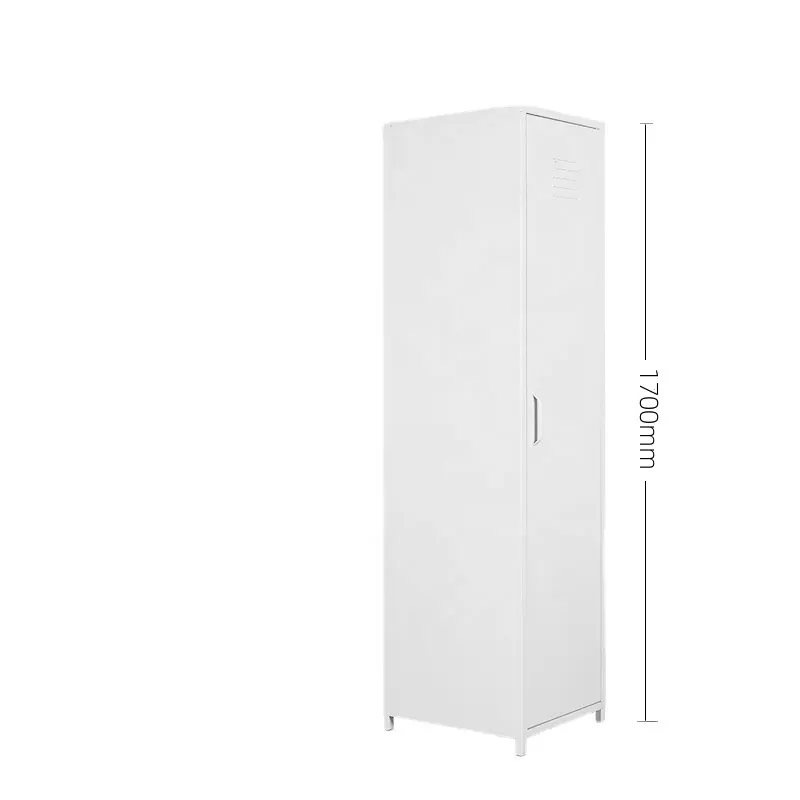
Despite its narrow design, the wardrobe offers ample storage space to accommodate different items.
It provides enough room to store clothing, linens, personal items, or supplies, helping to keep the hospital environment organized and clutter-free.

The compact size of the wardrobe makes it suitable for versatile placement in different areas of the hospital.
It can be used in patient rooms, examination rooms, staff areas, or any other space requiring convenient and accessible storage options.
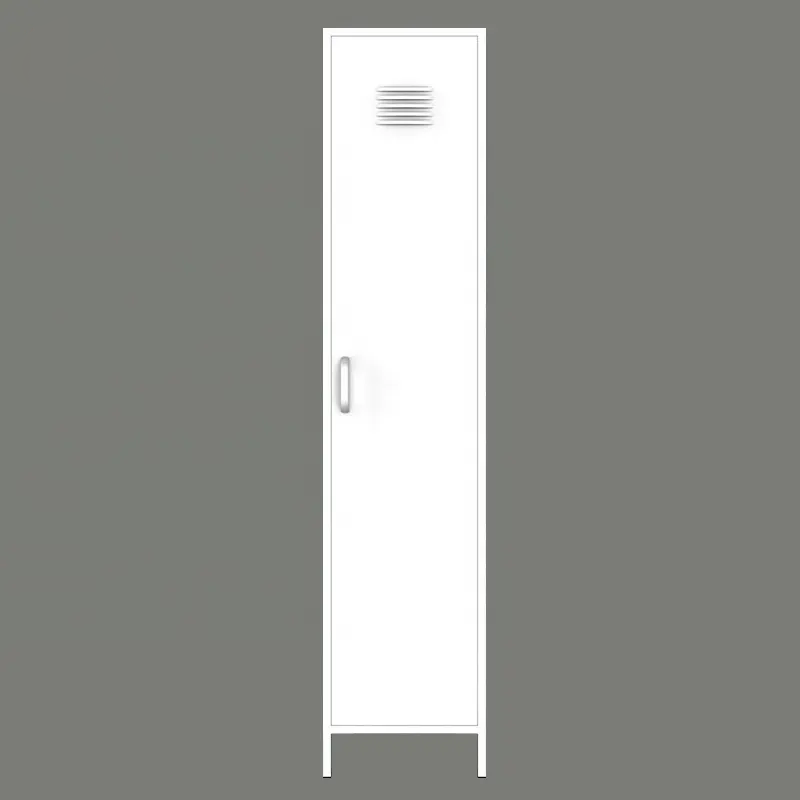
The wardrobe is thoughtfully designed to meet the diverse storage needs of hospitals.
It features shelves in addition to hanging space, allowing for efficient organization of clothes and other items.
This multifunctional design maximizes storage capacity and enables healthcare professionals to keep their belongings neatly organized, enhancing workflow and maintaining a clutter-free environment.

The wardrobe offers the option for OEM (Original Equipment Manufacturer) customization.
Hospital facilities have the flexibility to customize the wardrobe according to their specific requirements, including locks, additional shelves, or other accessories, to meet their unique needs.

The wardrobe features a knock-down structure, allowing for easy disassembly and assembly.
This design saves space during transportation and storage, while also making it convenient to move the wardrobe within the hospital.

The interior of the wardrobe is intelligently divided by shelves and a cloth hanger
The shelves provide organized storage for various items, such as folded clothes, accessories, or personal belongings
The cloth hanger allows for the neat and wrinkle-free hanging of garments, ensuring easy access and visibility.

Despite its narrow design, the wardrobe offers ample storage space to accommodate different items.
It provides enough room to store clothing, linens, personal items, or supplies, helping to keep the hospital environment organized and clutter-free.

The compact size of the wardrobe makes it suitable for versatile placement in different areas of the hospital.
It can be used in patient rooms, examination rooms, staff areas, or any other space requiring convenient and accessible storage options.

The wardrobe is thoughtfully designed to meet the diverse storage needs of hospitals.
It features shelves in addition to hanging space, allowing for efficient organization of clothes and other items.
This multifunctional design maximizes storage capacity and enables healthcare professionals to keep their belongings neatly organized, enhancing workflow and maintaining a clutter-free environment.

The wardrobe offers the option for OEM (Original Equipment Manufacturer) customization.
Hospital facilities have the flexibility to customize the wardrobe according to their specific requirements, including locks, additional shelves, or other accessories, to meet their unique needs.
Medical falls are the leading cause of injury among seniors, with over 36 million falls reported annually in elderly care environments. While floor surfaces and lighting are often blamed, the physical interface between the resident and their furniture is the most critical factor in fall prevention.
As global healthcare systems pivot toward specialized care, the behavioral health sector is projected to be one of the fastest-growing markets through 2026. However, outfitting these facilities presents a complex challenge: furniture must bridge the gap between rigorous clinical safety and a warm, t
In the rapidly evolving landscape of healthcare procurement, the shift toward human-centered design has transformed medical furniture from "clinical equipment" into "healing instruments". As we look toward 2026, the focus has moved beyond mere durability toward environments that feel intuitive, pers
Award-winning hospital designs are more than architectural achievements—they represent the pinnacle of patient-centered healthcare environments that enhance clinical outcomes, staff efficiency, and visitor experience. As hospital construction spending reached $28.5 billion in 2025, design excellence
If you've ever been stuck in a hospital bed, you know the overbed table is your entire world. It’s your dining table for lukewarm soup, your desk for a tablet, your pharmacy for daily meds, and—frequently—the place where a nurse sets down a used cotton ball or a wound-dressing kit.To the casual obse
If you've ever walked into a state-of-the-art geriatric ward or a VIP suite at a hospital like the Saudi German Hospital, you’ve probably noticed something "off" about the chairs.To the casual observer, they look ridiculous. While modern office chairs have sleek, T-shaped armrests that tuck neatly u