 |
loading


| Color: | |
|---|---|
| Overall Size: | |
| Safe working load: | |
| Adjustable Range: | |
| Availability: | |
| Quantity: | |
HY-OB002
Cuboc
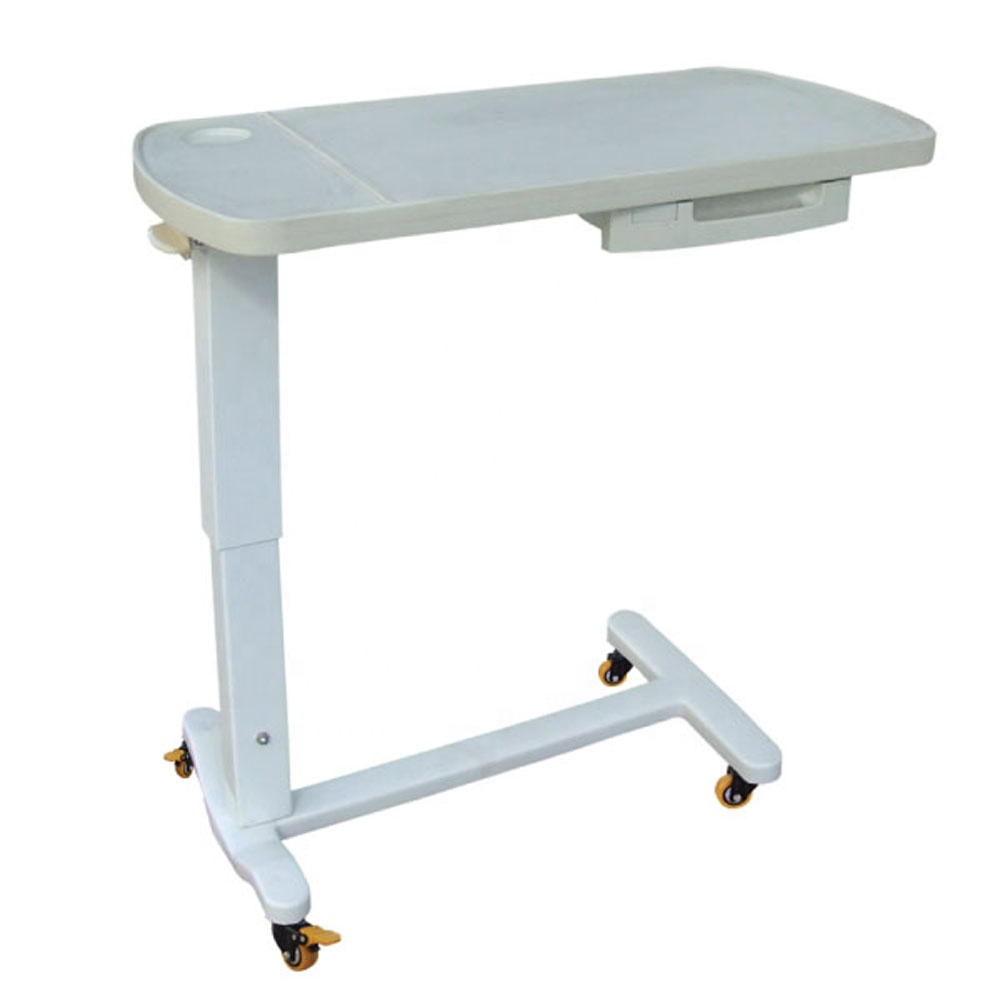
The hospital overbed table also features a drawer, providing ample space for patients to store personal belongings, medical supplies, or other essentials.
The chrome-plated H base with 1.5 inch dual casters provides the easy mobility and stability to the hospital bedside rolling table.
The casters allow for the table to be easily rolled to different locations, making it convenient for both patients and caregivers.
Additionally, the H base design ensures stability while in use, preventing the table from tipping over or becoming unstable.
The combination of the dual casters and H base design makes this table an ideal choice for patients who require a versatile and mobile surface.
The strong and sturdy support provided by the epoxy-coated steel frame ensures that the ABS panel can securely hold items placed on the tray without bending or collapsing under the weight.
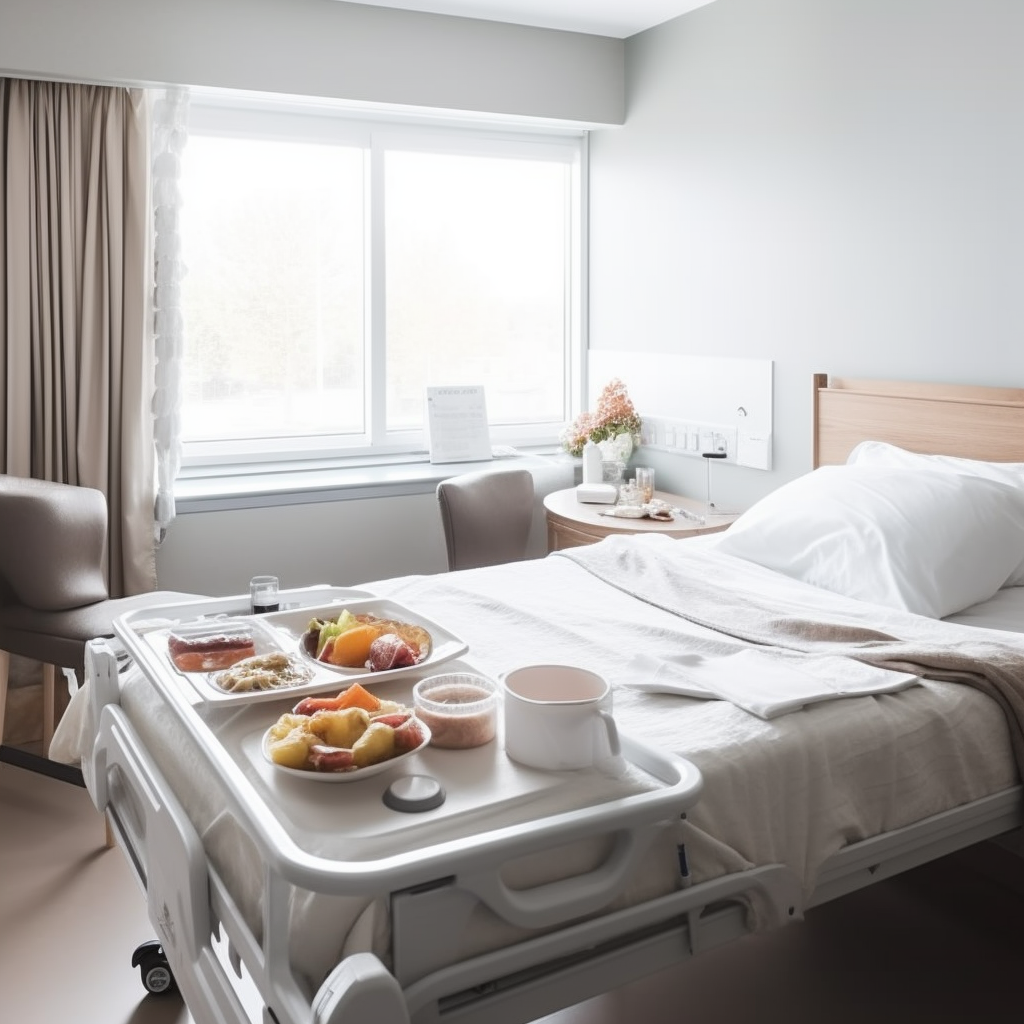
This feature is especially important for hospital bedside tables, where patients often rely on them to hold essential items such as medication, food, and drinks.
The table's durability and resistance to wear and tear, spills, and cleaning solutions also make it an ideal solution for healthcare settings.
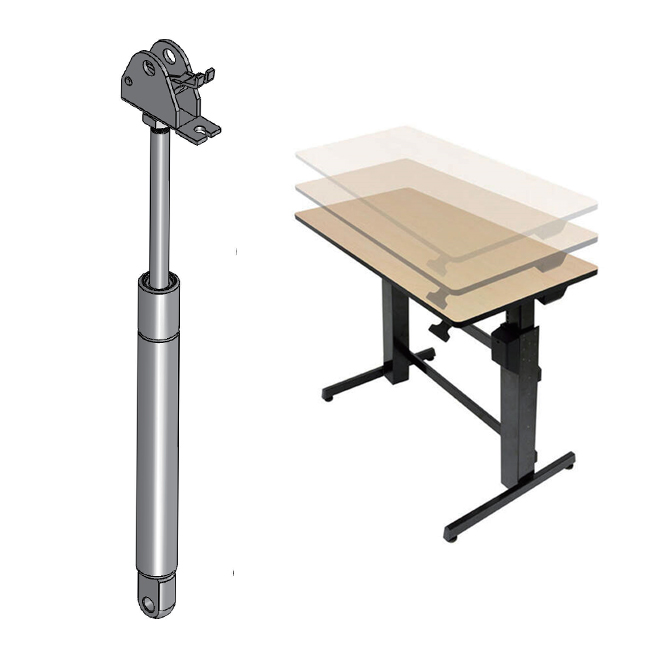
The gas spring lift function allows for easy height adjustment with minimal effort, making it ideal for patients in hospital settings who may have limited mobility or strength.
Additionally, the gas spring lift function can be useful in other settings where adjustable height tables are needed, such as in a home or office workspace.
It provides a versatile solution that can be adjusted to fit the specific needs of different users and tasks.
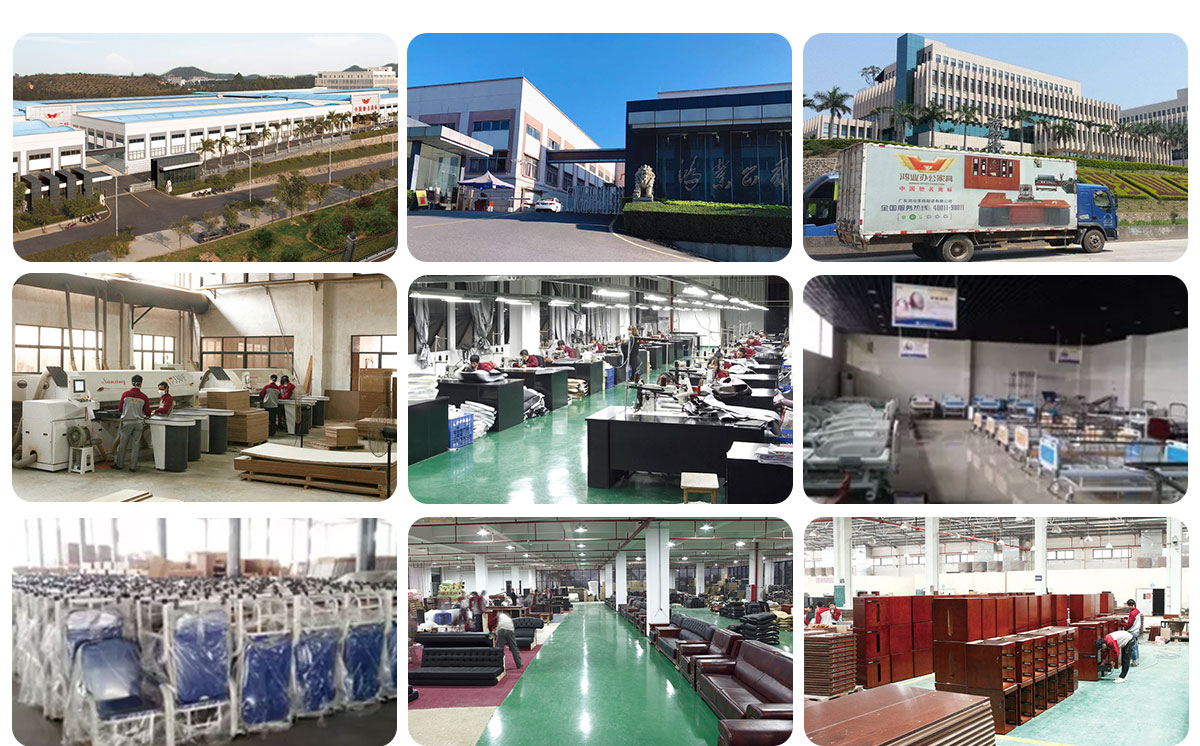
About Cuboc Furniture Factory
As a leading manufacturer of hospital furniture with over 30 years of experience in the industry. Cuboc specialize in providing fully customized furniture solutions for healthcare environments.
Our team of experts has extensive knowledge and expertise in the hospital furniture industry, and we are proud to have worked with over 30 hospitals around the world on their furniture projects.
From patient beds and bedside tables to cabinets and seating, we offer a wide range of hospital furniture products that are designed and manufactured to the highest standards of quality and durability.
With over 30 years of experience and commitment to quality, we have established ourselves as a trusted partner for healthcare facilities across the country.

What materials are best for healthcare waiting room furniture? Healthcare waiting room seating should be selected for cleanability, chemical compatibility, durability, comfort, accessibility, and maintenance. Molded polymer, healthcare-grade vinyl or polyurethane, and selected performance textiles c

What is ligature-resistant furniture? Ligature-resistant furniture is designed to reduce opportunities for cords, sheets, clothing, ropes, or similar materials to create a sustainable attachment point that could contribute to self-harm. It is one component of a broader behavioral health safety strat

How big should a dental operatory be, and what furniture does it need? FGI's 2022 dental-facility update removed the previous 80-square-foot minimum operatory floor area while retaining 2 feet 8 inches of clearance on all sides of the dental chair. Many general-dentistry practices plan around a 10 ×

What furniture is needed in an outpatient exam room? A typical outpatient exam room includes an exam table, clinician stool, patient or visitor seating, work surface or workstation, secure storage, handwashing access, medical-supply support, and appropriate lighting or technology supports. The final
What is behavioral health furniture? Behavioral health furniture is designed for psychiatric hospitals, behavioral health units, substance-use treatment facilities, crisis-stabilization centers, and other patient-care environments where safety risks may differ from those in general healthcare spaces

What is HIPAA-conscious reception design? HIPAA-conscious reception design uses reception layout, workstation orientation, visual screening, secure document storage, seating placement, and acoustic strategies to reduce the risk that patients or visitors can see or overhear protected health informati